
Trees
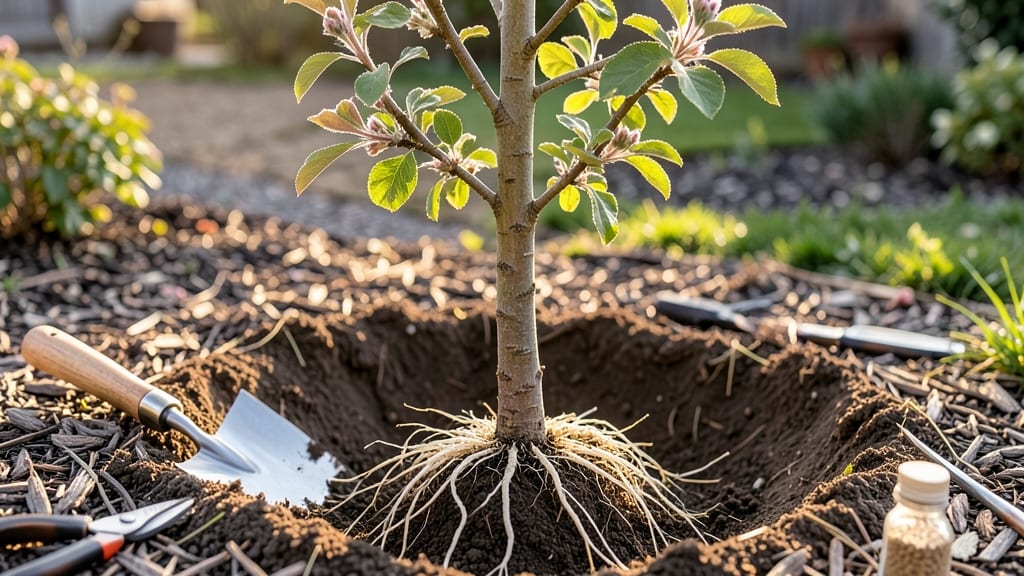
Timing your apple tree planting in Connecticut could mean the difference between a thriving orchard and a sad, frost-bitten sapling. With Zone 6a winters and unpredictable springs, knowing when to plant your 🍎 is critical—especially if you want fruit by next fall.
Most gardeners rush to plant as soon as the ground thaws, but that’s a recipe for disaster. Connecticut’s last frost typically hits around April 15, and planting too early means your young tree could face winterkill.
The sweet spot? Late winter to early spring, when soil is workable but frost risks have passed.
In this guide, I’ll break down the exact planting windows for bare-root vs. container-grown trees, how to prep your soil for Connecticut’s clay-heavy earth, and which apple varieties thrive in your specific region.
Whether you’re in Hartford or the Litchfield Hills, you’ll learn how to give your tree the best shot at survival—and a harvest in 3-5 years.
Ready to plant with confidence? Let’s dig in—literally. I’ll walk you through every step, from choosing the right variety to protecting your tree from late frosts. Your future orchard starts now.
Connecticut planting zones and frost-free deadlines for apple trees
Connecticut spans USDA Hardiness Zones 5b-6a, with northern regions like Hartford and Litchfield facing colder winters, while Fairfield County enjoys slightly milder conditions. These zones dictate your last frost dates, which are critical for planting apple trees successfully.
In most of CT, the average last frost date falls between April 15 and May 1, but coastal areas like New Haven can see frost-free conditions as early as April 1. Timing matters because planting too early risks late spring frosts that can kill young trees.
For bare-root apple trees, the ideal window is late winter to early spring—specifically, 4-6 weeks before your last frost date. This means planting in late March to early April for most of CT.
If you’re using container-grown trees, you can plant slightly later, up to mid-May, but monitor local forecasts for late frosts. Northern CT (Zone 5b) should err on the earlier side, while southern CT (Zone 6a) has a bit more flexibility.
Here’s a quick breakdown of frost-free deadlines by region to help you plan:
| Region | USDA Zone | Avg. Last Frost | Best Planting Window | Notes |
|---|---|---|---|---|
| Northern CT (Hartford, Litchfield) | 5b | April 20-May 1 | Late March-April | Coldest zone; prioritize cold-hardy varieties. |
| Central CT (New Haven, Middletown) | 6a | April 15-25 | Late March-April | Moderate frost risk; monitor forecasts. |
| Southern CT (Fairfield, Stamford) | 6a | April 1-April 15 | Late March-May | Milder winters; slightly later planting possible. |
| Coastal CT (New London, Groton) | 6a | March 30-April 10 | Early April-May | Earliest frost-free; ideal for late plantings. |
If you’re planting in northern CT, aim for late March to early April to give your tree time to establish roots before the growing season kicks into gear.
For southern and coastal CT, you have a bit more leeway—you can plant as late as mid-May—but always check your local extended forecast for any unexpected late frosts.
Remember, bare-root trees need to be planted while dormant, so avoid planting in fall unless you’re in a very mild microclimate.
Another key factor is soil temperature. Apple trees thrive when soil temps reach 40°F (4°C). In CT, this typically happens by mid-to-late March, but it can vary by 1-2 weeks depending on the year.
Use a soil thermometer to confirm before planting. If the ground is still frozen, wait—planting in cold soil can stunt root growth and reduce survival rates.
For container-grown trees, the rules are slightly relaxed. These trees can handle planting up to 2 weeks after your last frost date, giving you more flexibility. However, they still need time to acclimate, so avoid planting in mid-to-late summer, when heat stress can be an issue.
If you’re buying a potted apple tree in spring, check the root ball for signs of circling roots—these need to be pruned before planting to encourage outward growth.
Pro tip: If you’re unsure about your local frost dates, check the National Weather Service or use a frost calendar app like Frost Freeze. Many CT counties also have local gardening clubs that track frost data—reaching out to them can save you from costly mistakes.
For example, the Hartford County Master Gardeners often post updates on their Facebook page or website when it’s safe to plant.
Once you’ve nailed down your planting window, focus on site selection. Apple trees need full sun (6+ hours daily) and well-draining soil to thrive.
Avoid low-lying areas where cold air pools, as these can subject your tree to late spring frosts even after the official frost date has passed. A south-facing slope is ideal for maximizing warmth and sunlight.
Finally, don’t forget that fall planting is risky in CT unless you’re in a very sheltered microclimate. Young trees planted in September or October may not have enough time to establish roots before winter, leaving them vulnerable to freeze-thaw cycles.
If you’re set on a fall planting, choose dwarf or semi-dwarf varieties, which establish faster, and use extra mulch to insulate the roots. But for most CT gardeners, spring planting is the safest bet.
Chill-hour requirements for apple tree varieties in Connecticut
Connecticut’s climate varies dramatically from the coastal mildness of Fairfield County to the harsher winters of Litchfield Hills. This means your apple tree’s chill-hour needs (the number of hours below 45°F it requires to fruit) can range from 400 to 1,000+ hours.
Choosing the wrong variety risks poor fruit set or no harvest at all.
Northern CT (USDA Zones 5-6a) needs 800–1,000+ chill hours, while southern CT (Zone 6b) can handle 400–600 hours. For example, Honeycrisp thrives in northern CT with its 900+ chill hours, but it may struggle in milder coastal areas where Gala (500–600 hours) performs better.
Here’s how to match varieties to your local chill hours and avoid disappointment:
| Variety | Chill Hours | Best CT Zones | Fruit Maturity |
|---|---|---|---|
| Honeycrisp | 900–1,000+ | 5–6a (Northern CT) | Late August |
| McIntosh | 600–800 | 5–6b (Statewide) | Mid-September |
| Cortland | 700–900 | 5–6a (Northern CT) | Late September |
| Gala | 400–600 | 6b (Southern/CT) | Early October |
| Liberty | 800–1,000 | 5–6a (Northern CT) | Late September |
If you’re in coastal Connecticut (Fairfield County), prioritize varieties like Gala or Fuji, which tolerate fewer chill hours. For inland areas, Honeycrisp or Liberty are hardier choices that produce reliably. Always check the nursery’s chill-hour data before purchasing to avoid mismatches.
Pro tip: Plant two compatible varieties (e.g., Honeycrisp + McIntosh) for cross-pollination, unless you choose a self-pollinating type like Liberty. This ensures fruit set even in CT’s variable climate.
🌱