
Planting
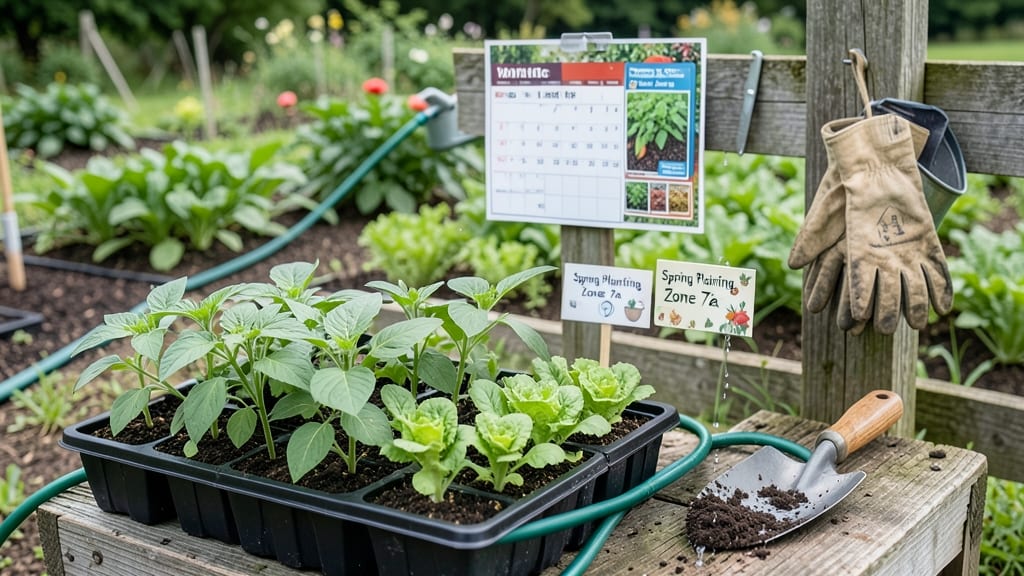
Knowing when to plant a vegetable garden in Virginia isn’t just about throwing seeds into the dirt—it’s the difference between a thriving harvest and wasted effort. With Virginia’s 6a-8a zones offering everything from coastal warmth to mountain chill, planting too early or late can leave your 🌱 struggling.
I’ve seen gardeners in Richmond and Roanoke make the same mistakes year after year—planting tomatoes before the soil warms or missing the fall window for spinach. The key?
Knowing when to start cool-season crops like lettuce 4-6 weeks before last frost (usually mid-April) and when to wait for warm-season favorites like peppers until 2-3 weeks after.
Whether you’re a first-timer or a seasoned gardener, these exact planting windows will help you avoid common pitfalls. We’ll break down spring vs. fall schedules by region, so you can plan with confidence—no more guessing games or lost crops.
Ready to grow faster and bigger? Let’s dive into the fastest way to get your Virginia garden thriving, from soil prep to succession planting. Your harvest is waiting!
Virginia’s ideal planting windows: spring vs fall schedule by region
Virginia’s diverse climate—from the Coastal Plain to the Blue Ridge Mountains—means your planting schedule should match your specific region.
The last spring frost typically arrives between mid-March in the Tidewater region and late April in the mountains, while the first fall frost ranges from early October in the Shenandoah Valley to mid-November near the coast.
These variations are critical for timing your cool-season crops (like lettuce and spinach) and warm-season crops (like tomatoes and peppers).
For cool-season crops, aim to plant 4-6 weeks before your last frost date. In the Coastal Plain, this could be as early as February, while in the Mountains, wait until late March.
Meanwhile, warm-season crops need soil temperatures above 60°F, which usually happens 2-3 weeks after your last frost. In Virginia’s Piedmont, this often lands in mid-April, but mountain gardeners may need to wait until May.
Fall planting is just as important—cool-season crops can thrive until the first frost, giving you a second harvest.
In the Northern Neck, you might plant until early September, while in the Valley, extend until mid-October. Succession planting every 2-3 weeks ensures a steady supply of fresh produce.
Here’s a quick reference for Virginia’s three main regions, including frost dates and ideal planting windows for both spring and fall:
| Region | Last Spring Frost | First Fall Frost | Cool-Season Planting Window | Warm-Season Planting Window |
|---|---|---|---|---|
| Coastal Plain (Tidewater) | Mid-March | Mid-November | Feb–April, Aug–Sept | Late March–June |
| Piedmont (Richmond, Charlottesville) | Mid-April | Early October | March–April, July–Aug | Late April–May |
| Mountains (Roanoke, Blacksburg) | Late April | Mid-October | Late March–April, June–July | May–June |
Use this table as your planting calendar, but always double-check with your local Virginia Cooperative Extension office for microclimate adjustments. For example, urban areas like Arlington may experience heat islands that delay frost, while rural Shenandoah Valley gardens might face earlier frosts due to elevation.
Adjust your schedule accordingly to avoid frost damage or bolting in heat-sensitive crops like lettuce.
For warm-season crops, start seeds indoors 6-8 weeks before transplanting. In Virginia’s Piedmont, this means sowing tomatoes and peppers in March for outdoor planting in May.
Meanwhile, cool-season crops like kale and carrots can handle light frosts, so plant them as early as February in the Coastal Plain or late March in the Mountains. Always harden off seedlings for 7-10 days before transplanting to reduce shock.
Fall planting is your second chance for a harvest. In Northern Virginia, you can plant spinach and radishes until early September, while broccoli and cabbage can go in until mid-Oct
5 Critical factors that determine your planting success in Virginia
Virginia’s diverse microclimates and USDA zones 6a-8a mean planting dates aren’t one-size-fits-all. Beyond frost dates, soil temperature and local conditions play huge roles. For example, tomatoes need soil at 60°F+, while spinach thrives in cooler 50-60°F ranges. Ignoring these factors can delay growth or invite pests.
Your elevation matters too—mountain regions like Roanoke have shorter growing seasons than Tidewater. Check your last frost date (mid-April in most areas) and first frost (mid-October), but also account for urban heat islands that can push dates earlier in cities like Richmond.
🌱 Soil warmth is non-negotiable. Use a soil thermometer to confirm readiness—warm-season crops like peppers won’t germinate below 70°F. In cooler Piedmont areas, wait until late May for heat-loving plants. For cool-season crops, start seeds indoors 4-6 weeks before your last frost.
Don’t overlook succession planting—this technique lets you space out sowings every 2 weeks to ensure a steady supply. For example, plant bush beans in late May, then again in early July for a second harvest before frost.
In fall, prioritize fast-maturing crops like kale or turnips (60-day varieties) to beat the first frost.
Extend your season with low tunnels or hoop houses to push spring planting 2-3 weeks earlier or fall harvests 4-6 weeks later. These simple structures trap heat and protect tender seedlings from late spring frosts or early fall chills. Just remove covers during the day to avoid overheating.
Finally, test your soil before planting—Virginia’s clay-heavy soils often need organic matter to improve drainage. Aim for a pH of 6.0-7.0 for most vegetables, and amend with compost or aged manure 4-6 weeks before sowing.
This prep work ensures your plants have the nutrients they need to thrive when you finally plant them at the perfect time.