
Planting
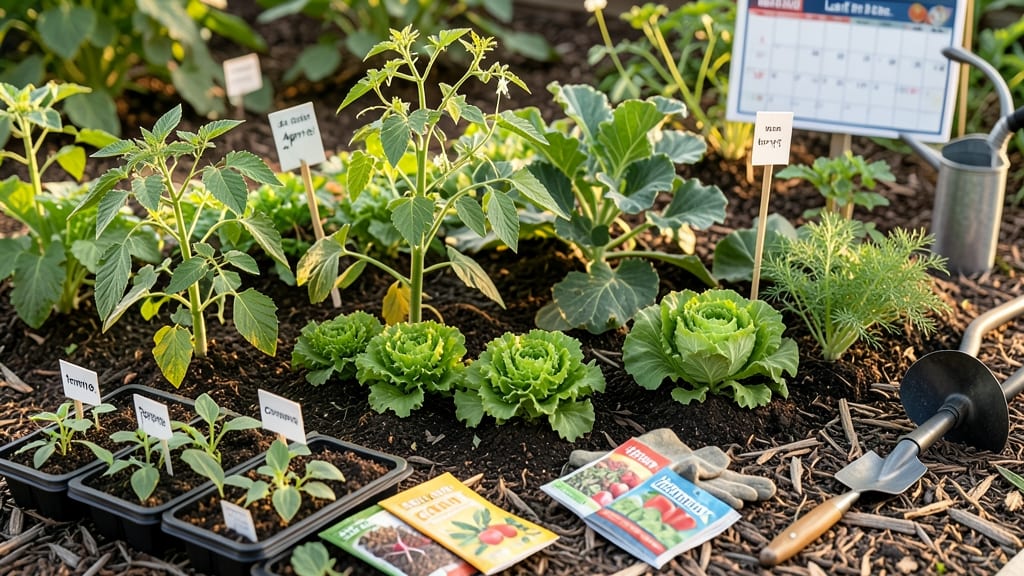
When to plant a vegetable garden in Missouri can make the difference between a thriving harvest and a frustrating flop—especially when last frost dates vary from St. Louis to Kansas City. Whether you're planting cool-season greens or heat-loving tomatoes, getting the window right is the key to avoiding frost damage or stunted growth.
Missouri’s climate spans USDA zones 5a to 7a, meaning your neighbors might be planting weeks before or after you. I’ll break down the exact frost-free periods for your region, so you can start seeds indoors or set transplants in the ground at the perfect moment—no guesswork needed.
From early spring lettuce to late-summer peppers, this guide covers crop-specific timing and pro tips to extend your growing season. Whether you’re a first-time gardener or a seasoned green thumb, these insights will help you maximize your yield without wasting time or resources.
Ready to turn your Missouri garden into a year-round success? Let’s dive into the exact planting schedule that works for your corner of the state—so you can enjoy fresh veggies from summer through fall.
Missouri’s frost-free zones: when to plant vegetables by region
Missouri spans USDA Hardiness Zones 5a-7a, creating distinct planting windows across the state. Northern areas like St. Joseph (Zone 5b) face later last-frost dates than southern Poplar Bluff (Zone 7a), which averages 100+ frost-free days.
Understanding your zone ensures you plant warm-season crops after frost risk ends and cool-season veggies early enough to avoid summer heat.
For northern Missouri (Zones 5a-6a), the last spring frost typically arrives between April 15-May 1, while southern regions can start planting 2-4 weeks earlier.
This timing difference means tomatoes and peppers might thrive in Sedalia (Zone 6a) by early April but wait until mid-May in St. Louis (Zone 6b). Always check your local Missouri Botanical Garden frost charts for precise dates.
Here’s how Missouri’s regions break down for planting:
| Region | USDA Zone | Last Spring Frost | First Fall Frost | Frost-Free Days | Best for |
|---|---|---|---|---|---|
| Northern (e.g., St. Joseph, Kirksville) | 5a-5b | April 20-May 5 | October 10-20 | 140-160 | Early spinach, peas, kale |
| Central (e.g., Columbia, Jefferson City) | 6a-6b | April 10-April 25 | October 20-November 5 | 180-200 | Tomatoes, peppers, beans |
| Southern (e.g., Springfield, Poplar Bluff) | 7a | March 20-April 10 | November 10-December 1 | 210-240 | Okra, sweet potatoes, late tomatoes |
Warm-season vegetables like tomatoes, peppers, and cucumbers need consistent soil temps above 60°F to thrive. In northern Missouri (Zones 5a-6a), wait until after May 15 to plant these heat-lovers, while southern Missouri gardeners can start as early as April 1.
Use a soil thermometer to confirm readiness—65°F+ soil ensures strong root development.
Cool-season crops such as lettuce, spinach, and broccoli tolerate light frosts and can be planted 4-6 weeks before your last frost date. For St. Louis (Zone 6b), this means early March plantings, while Kansas City (Zone 6a) should start in late February.
Succession plant every 2 weeks for continuous harvests through late May.
Missouri’s humid subtropical climate in the south allows for fall planting of warm-season crops. In Springfield (Zone 7a), you can sow tomatoes and peppers as late as July 15 for harvests before the first frost.
Northern regions like St. Joseph should limit fall plantings to heat-tolerant varieties like Malabar spinach or collard greens.
Pro tip: Use row covers to extend your spring planting window by 2-3 weeks. These lightweight fabrics protect tender seedlings from late frosts while allowing sunlight and water through. For St. Louis gardeners, this means you could plant peppers in early April instead of waiting until mid-May.
Always monitor local weather forecasts in the weeks leading up to planting. A sudden cold snap can delay your last frost date by 10+ days, so stay flexible with your schedule. The Missouri Department of Agriculture provides updated frost data annually—bookmark their growing season guides for real-time adjustments.
Remember: Southern Missouri’s longer growing season lets you experiment with unusual crops like eggplant or sweet corn, while northern gardeners should focus on fast-maturing varieties of bush beans or zucchini. Tailor your garden to your microclimate for the most success!
Best planting schedule for Missouri’s top 10 vegetables
Missouri gardeners know timing is everything—plant too early, and frost zaps your seedlings. Too late, and you miss peak harvests. My top 10 vegetables thrive when planted within specific 2-4 week windows based on your region’s last frost date. Let’s break it down by crop type and season.
For cool-season crops like lettuce, spinach, and peas, aim for early spring (March-April) or late summer (August-September) for fall harvests. These plants tolerate light frosts and even prefer cooler weather. In northern Missouri (USDA zones 5a-5b), start seeds indoors 6-8 weeks before your last frost date.
Warm-season favorites—tomatoes, peppers, and beans—need soil temperatures above 60°F and no frost risk. In southern Missouri (zones 6b-7a), plant after April 15-May 1. Northern gardeners should wait until May 15-June 1 to avoid late frosts. Pro tip: Use heat-tolerant varieties like 'Heatmaster' tomatoes for southern Missouri’s summer heat.
🌱 Missouri Planting Calendar
- March-April: Cool-season crops (lettuce, spinach, peas, carrots) – Plant seeds directly after soil thaws.
- April 15-May 1: Warm-season starts (tomatoes, peppers, eggplants) – Start indoors 6-8 weeks before last frost.
- May 15-June 1: Transplant warm-season crops – Wait until soil >60°F and night temps stay above 50°F.
- June-August: Succession plant beans, cucumbers, zucchini – Every 2-3 weeks for continuous harvests.
- August-September: Fall cool-season crops – Plant 8-10 weeks before first frost for winter harvests.
Succession planting is my secret weapon for year-round harvests. For example, sow bush beans every 2 weeks from May through July to keep picking until frost.
In southern Missouri, extend this to August for late-season beans. For leafy greens like kale, make monthly plantings from March to September—they’ll regrow after harvests!
Don’t forget about root vegetables like carrots and beets. These need loose, stone-free soil and should be planted as soon as soil is workable in spring or late summer for fall harvests.
In northern Missouri, cover young plants with frost blankets if late frosts threaten. Southern gardeners can direct-sow throughout winter in microclimates.
Missouri’s 100-day growing season in northern zones shrinks to 180+ days in the south. Use this to your advantage: Plant heat-loving crops early in southern Missouri (like okra and sweet potatoes) or choose fast-maturing varieties in the north (like 'Early Girl' tomatoes).
Check the Missouri Botanical Garden’s frost charts for your exact location’s averages.
Finally, mark your calendar for fall planting—this often yields the sweetest, crispest harvests. Start broccoli, cabbage, and Brussels sprouts in late July-August for fall/winter harvests. These plants actually sweeten with frost, making them perfect for Missouri’s crisp autumn nights. 🍂