
Planting
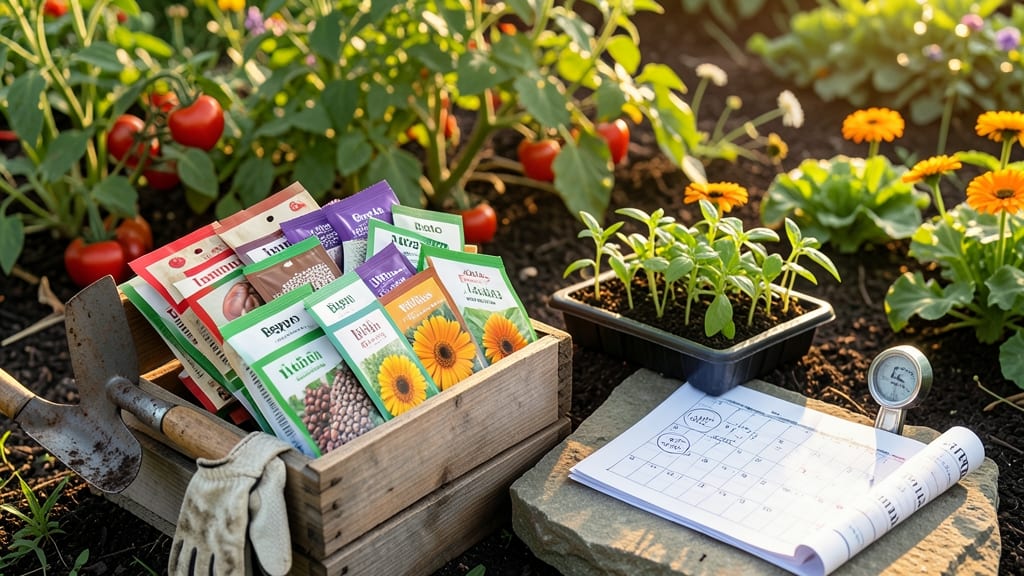
Timing your garden planting in Virginia can make the difference between a bumper crop and a sad, frost-bitten failure. With five distinct USDA zones and microclimates ranging from the Blue Ridge Mountains to the Coastal Plain, knowing when to plant is the key to success.
I’ve spent years growing gardens across Virginia, and I’ve learned the hard way that spring planting isn’t one-size-fits-all. Whether you’re in Richmond’s Zone 7b or Norfolk’s Zone 8a, the last frost dates shift dramatically—sometimes by weeks.
Let me show you exactly when to start seeds, transplant seedlings, and rotate crops for your specific region.
Cool-season crops like spinach and broccoli thrive when planted in early spring or late fall, while tomatoes and peppers need to wait until soil warms to 60°F or higher. We’ll break down the ideal planting windows so you can avoid common mistakes and maximize your harvest.
Ready to grow a garden that thrives? I’ll walk you through Virginia’s frost-free dates, seasonal adjustments, and even how to extend your growing season with simple tricks. Let’s get started!
Virginia’s frost-free dates by region: when to plant cool-season vs warm-season crops
Virginia’s diverse climate creates microclimates that affect planting times—what works in Richmond (Zone 7b) may differ from Roanoke (Zone 6b) or Norfolk (Zone 8a). Understanding these frost-free dates ensures your cool-season crops thrive in spring and warm-season plants avoid frost damage.
Let’s break it down by region and plant type.
First, know that last spring frost typically arrives between March 20 and April 20, while first fall frost hits October 15 to November 15, depending on elevation. High-altitude areas like the Blue Ridge Mountains (Zone 6a) experience later springs and earlier falls compared to coastal regions.
For cool-season crops like spinach, broccoli, and peas, plant 4-6 weeks before last frost—usually February to early April. These plants tolerate light frosts and even thrive in cooler temperatures (40-70°F).
Meanwhile, warm-season crops such as tomatoes, peppers, and cucumbers need soil temperatures above 60°F and should only go in after May 15 in most of Virginia.
Here’s a quick reference for key frost-free dates by region, helping you align planting with Virginia’s growing seasons:
| Region | Last Spring Frost | First Fall Frost | Cool-Season Planting Window | Warm-Season Planting Window |
|---|---|---|---|---|
| Northern VA (Zone 6a-6b: Roanoke, Staunton) | April 10-20 | October 15-November 5 | March 1-April 10 | May 20-June 10 |
| Central VA (Zone 7a-7b: Richmond, Charlottesville) | March 25-April 10 | October 30-November 15 | February 20-March 25 | May 1-April 15 |
| Eastern VA (Zone 7b-8a: Norfolk, Virginia Beach) | March 15-25 | November 1-15 | February 1-March 15 | April 20-May 10 |
| Southwest VA (Zone 6b-7a: Bristol, Abingdon) | April 5-15 | October 20-November 10 | March 1-April 5 | May 15-June 5 |
For example, in Richmond (Zone 7b), you can start spinach and peas as early as February 20, while tomatoes and peppers should wait until May 1. In Roanoke (Zone 6b), hold off on warm-season crops until May 20 to avoid late spring frosts.
Use these dates as a guide, but always check local forecasts for adjustments.
If you’re growing heat-loving plants like okra or sweet potatoes, consider starting them indoors in March and transplanting after the last frost. For cool-season crops, succession planting every 2-3 weeks ensures a steady harvest.
For instance, plant lettuce every 10 days from March to September to enjoy fresh greens year-round.
Pro tip: Use Virginia Cooperative Extension’s frost maps for real-time updates. Their local agents provide tailored advice for your specific county. For instance, Tidewater regions often have earlier springs than inland areas, so adjust accordingly.
Remember, soil temperature matters just as much as air temperature. Use a soil thermometer to confirm warm-season crops are planted when soil is above 60°F. Cold soil can stunt growth, even if air temps seem ideal.
For fall planting, aim to sow
Best planting calendar for Virginia gardens: month-by-month guide for vegetables, herbs, and flowers
Virginia’s month-by-month planting calendar is your roadmap to a bountiful harvest. Unlike one-size-fits-all advice, this schedule accounts for Virginia’s microclimates—from the cooler highlands of the Blue Ridge to the warmer coastal plains near Norfolk.
Whether you’re transplanting seedlings or direct-sowing seeds, timing is everything for tomatoes, peppers, and cool-season greens.
Most Virginia gardeners follow the last frost date rule: wait until May 15 in most regions to plant warm-season crops like cucumbers and squash. But don’t stop there—fall planting is just as critical.
For example, broccoli and kale thrive when sown in late summer for a winter harvest. Let’s break it down by month to maximize your garden’s potential.
Pro tip: Use Virginia Cooperative Extension’s frost maps to fine-tune dates for your exact location. For example, Roanoke’s last frost often comes 2 weeks later than Norfolk’s. Adjust your schedule accordingly—your garden will thank you with bigger yields and healthier plants.
Don’t forget herbs and flowers! Many, like basil and marigolds, thrive when planted in late spring after the soil warms. For perennials, like asparagus or rhubarb, plant in early spring or fall for the best establishment.
With this calendar, you’ll avoid the common mistakes of planting too early (frost damage) or too late (missed harvests).
Ready to dive deeper? Check out Virginia’s USDA Zone Map to confirm your exact planting window. Happy gardening! 🌱