
Planting
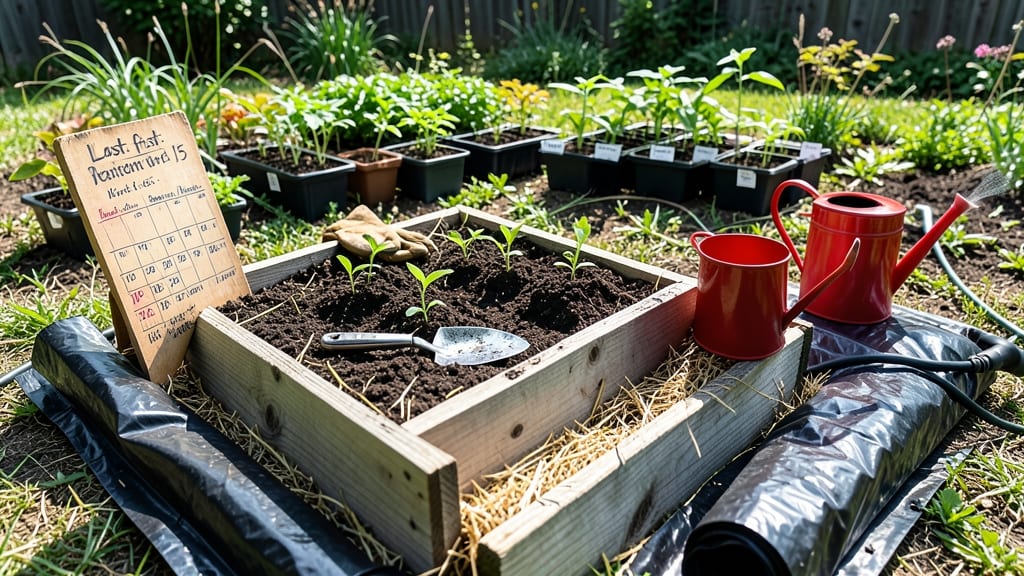
Timing when to plant a vegetable garden in Mississippi isn’t just about throwing seeds in the dirt—it’s about working with the heat, humidity, and unpredictable frost dates to guarantee a harvest that’ll make your neighbors jealous.
One week too early, and your tender seedlings could get fried by a late spring heatwave. One week too late, and you’ll miss the sweet spot for cool-season crops before summer smothers them.
Here’s the truth: Mississippi’s USDA Zones 8a-9a give you two prime windows—spring and fall—but nailing the exact dates means the difference between a bountiful harvest and a sad, wilted disappointment.
Whether you’re dreaming of juicy tomatoes or crisp lettuce, I’ll break down the exact months to plant, which crops thrive when, and how to outsmart Mississippi’s quirks like late frosts and scorching summers.
Let’s start with the basics: cool-season crops like broccoli and peas need to hit the soil 4-6 weeks before your last frost (usually by early March), while warm-season stars like peppers and okra should wait until 2-3 weeks after that frost date—typically mid-April.
But here’s where it gets tricky: Southern Mississippi’s longer growing season lets you squeeze in a second planting of fall crops like collards and sweet potatoes as early as July.
Stick around, and I’ll show you how to use succession planting, heat-resistant varieties, and even row covers to stretch your growing season like a pro. Plus, I’ll point you to Mississippi State Extension’s best resources so you’re never left guessing. Ready to turn your garden into a year-round feast?
Mississippi vegetable planting calendar by season: best times for each crop
Mississippi’s USDA Zones 7b-8a offer a 210-240-day growing season, but timing your vegetable garden correctly is key. The last average frost date is around March 15, while the first frost typically arrives November 15. This creates two prime planting windows: spring (February-April) and fall (July-August).
Cool-season crops like broccoli and lettuce thrive in Mississippi’s milder spring and fall temperatures. Warm-season favorites such as tomatoes and peppers need the consistent heat of summer. Below is a seasonal breakdown to help you plan your garden like a pro.
| Season | Crop Type | Best Planting Month | Notes |
|---|---|---|---|
| Spring | Cool-Season | Late February - Early April | Plant 4-6 weeks before last frost for broccoli, lettuce, peas. |
| Spring | Warm-Season | 2-3 Weeks After Last Frost | Tomatoes, peppers, okra need warm soil (60°F+). |
| Fall | Cool-Season | July - Early August | Plant 8-10 weeks before first frost for greens, root veggies. |
| Fall | Warm-Season | Late July - August | Quick-maturing varieties like bush beans work best. |
For spring planting, focus on cool-season crops like spinach and carrots in late February. These can handle Mississippi’s mild early spring before temperatures rise. Warm-season crops like tomatoes and peppers should wait until 2-3 weeks after the last frost, usually around April 15.
Mississippi’s summer heat (often exceeding 90°F) can stress plants, so succession planting is key. Start fast-maturing varieties every 2-3 weeks to ensure a continuous harvest. Okra and sweet potatoes are heat-lovers that thrive in these conditions.
Fall planting begins in July for cool-season crops. Aim to harvest before November 15, when frost arrives. Collard greens and turnips are excellent choices—they sweeten with cold and tolerate light frosts. For warm-season crops, opt for quick-maturing varieties like bush beans planted in late July.
Mississippi’s humidity and soil conditions also play a role. Well-draining soil is critical—many Mississippi gardens have clay-heavy soil, so amend with compost or sand before planting. Mulching helps retain moisture and regulate soil temperature.
Don’t forget about succession planting! This technique involves staggering plantings every 2-3 weeks to extend harvests. For example, plant lettuce in early spring, again in late summer, and once more in early fall. This ensures you’re always enjoying fresh homegrown produce.
Mississippi State University Extension Service offers localized planting guides tailored to your county. Check their frost-free date maps for precise timing, especially if you’re in northern Mississippi (Zone 7b) versus southern Mississippi (Zone 8a). Their resources are free and packed with
How to adjust planting times for Mississippi’s microclimates and heat spikes
Mississippi’s unpredictable weather can throw off even the most careful planting plans. Late frosts in March and sudden 90°F+ heat by June mean you’ll need flexibility.
I’ve learned to adjust planting times based on microclimates—like shadier spots near trees or sunnier areas—and use tools like row covers to extend seasons.
For example, northern Mississippi (Zone 7b) often gets frost until mid-April, while southern regions (Zone 8a) may see 80°F temperatures by March**. This means warm-season crops like tomatoes and peppers can go in 2-3 weeks earlier in the south.
Always check local frost data from the Mississippi State Extension for real-time adjustments.
Here’s my go-to strategy for beating Mississippi’s weather quirks: start cool-season crops like lettuce and spinach in late January under row covers, then transplant outdoors after the last frost.
For warm-season crops, wait until soil temps hit 60°F+—usually mid-April in the north and early March in the south.
⚠️ Heat Spike Warning
Mississippi’s sudden heat waves can shock young plants. If temps hit 90°F+ before your tomatoes or okra are established, use shade cloth (30-50%) until they acclimate. Avoid planting heat-sensitive greens like kale after May 1st—they’ll bolt quickly.
Another trick? Succession planting every 2-3 weeks for crops like bush beans and carrots. This ensures a steady harvest even if one batch gets hit by unexpected heat or drought. I also plant fast-maturing varieties (like ‘Early Girl’ tomatoes) to beat the summer slump.
Don’t overlook soil temperature—it’s just as critical as air temperature. Use a soil thermometer to confirm 50°F+ for cool crops and 60°F+ for warm crops. In northern Mississippi, this might mean waiting until late April for peppers, while southern gardens can plant them by mid-March.
Pro tip: Dark, moist soil warms up faster—add compost to help.
Finally, embrace fall planting for a second harvest. Collards, turnips, and radishes thrive in cool October-November temps and can even survive light frosts. Plant them by early August for a harvest before first frost (mid-November). With these adjustments, you’ll turn Mississippi’s unpredictable climate into your garden’s superpower.