
Planting
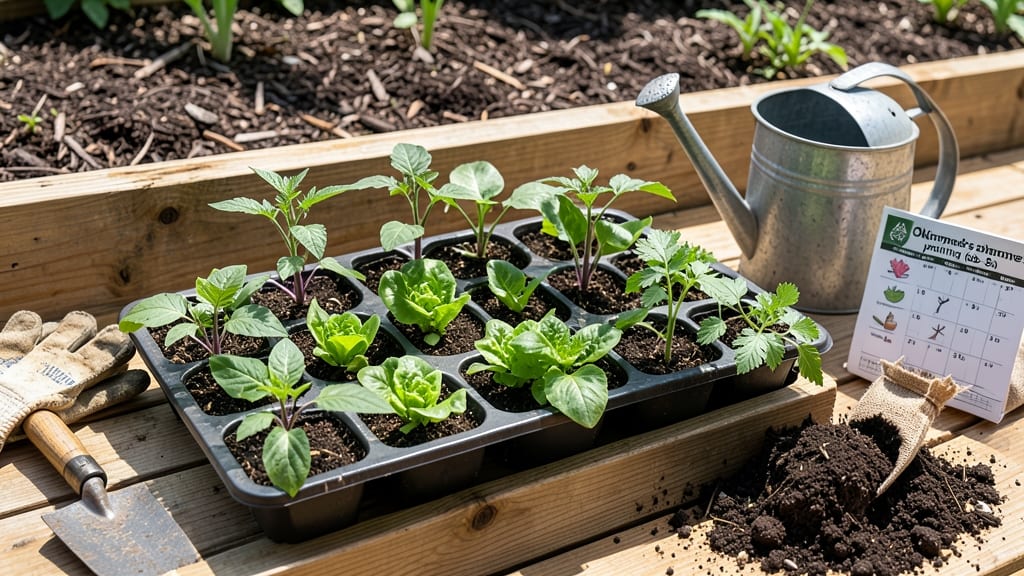
When to plant a vegetable garden in Oklahoma could mean the difference between a bountiful harvest and a disappointing loss—especially when unpredictable frost dates loom. The Panhandle and Southeast regions face wildly different planting windows, making it critical to align your schedule with local climate patterns.
Spring planting kicks off as early as March in warmer zones, but waiting until April ensures soil warmth and avoids early frost damage. Meanwhile, fall offers a second chance for cool-season crops like lettuce and spinach, provided you plant by early September to mature before winter sets in.
I’ve tested these strategies firsthand and discovered the key to success lies in understanding your microclimate. Whether you’re a beginner or seasoned gardener, knowing when to start seeds indoors versus transplanting outdoors will save you time—and your plants.
Let’s break down the exact planting windows, frost risks, and soil prep tips tailored to Oklahoma’s diverse growing zones. By the end, you’ll have a clear roadmap to maximize your garden’s potential year after year.
Oklahoma’s frost dates and best planting windows by region
Oklahoma’s diverse climate—from the cool mountains to the hot Panhandle plains—means frost dates vary wildly.
The average last spring frost ranges from March 15 in the southeast to April 15 in the Panhandle, while the first fall frost arrives as early as October 15 in northern regions but holds until November 15 in the south.
These shifts dictate when to plant cool-season vs. warm-season crops for maximum yields.
For example, lettuce and peas thrive when planted 4-6 weeks before your last frost date, while tomatoes and peppers need soil temperatures above 60°F—typically mid-April to May in most of Oklahoma. Missing these windows can mean bolting greens or stunted warm-season plants.
Here’s how to align your planting with Oklahoma’s microclimates—whether you’re in Tulsa, Lawton, or Guymon—to avoid frost-related disasters.
| Region | Last Spring Frost | First Fall Frost | Best Cool-Season Planting | Best Warm-Season Planting |
|---|---|---|---|---|
| Southeast (Tulsa, OKC) | March 15 | November 15 | Feb 15–March 30 | April 15–May 30 |
| Central (Lawton, Stillwater) | March 25 | October 30 | March 1–April 15 | April 30–June 15 |
| Panhandle (Guymon, Altus) | April 15 | October 15 | April 1–May 1 | May 15–June 10 |
Use these region-specific windows to time your cool-season crops like broccoli and spinach for early spring or late summer/fall. For warm-season plants such as okra and sweet potatoes, wait until soil temperatures consistently hit 65°F+—usually mid-May in the north and April in the south.
Pro tip: Check the Oklahoma Mesonet for localized frost alerts—their real-time soil thermometers help fine-tune planting dates. Even a 5°F difference can delay or rush your harvest window.
In northern Oklahoma, where frosts linger, succession planting every 2 weeks ensures a steady supply of lettuce or radishes. Meanwhile, southern Oklahoma gardeners can stretch harvests into late November with cold-hardy greens like kale.
Don’t overlook microclimates within cities. Urban areas like Oklahoma City can have 5°F warmer pockets near buildings—ideal for early tomato starts. Use these heat islands to your advantage!
For warm-season crops, prioritize heat-tolerant varieties like ‘Heatmaster’ tomatoes or ‘Malagueta’ peppers. These thrive in Oklahoma’s summer heat (often 95°F+) and extend harvests past typical frost dates.
Plan ahead: Start seeds indoors 6-8 weeks before your last frost date for tomatoes, peppers, and eggplants. This head start compensates for Oklahoma’s short growing season in cooler zones.
Remember: Frost dates shift yearly. Use a 3-year average for planning, but stay flexible—Mother Nature always has surprises! 🌱
Spring vs. fall planting: which strategy works best for Oklahoma gardens?
Deciding between spring and fall planting in Oklahoma depends on your crop choices and risk tolerance. Spring planting gives you a head start, but fall offers a second growing season when summer heat fades.
For me, the best strategy often combines both—starting warm-season crops in spring and cool-season crops in fall.
Warm-season vegetables like tomatoes, peppers, and cucumbers thrive when soil temperatures reach 60°F+. In Oklahoma, this typically means planting these in late April to early May after the last frost.
Fall planting, however, is ideal for cool-season crops like kale, spinach, and broccoli, which handle cooler temps and even light frosts.
Here’s the key difference: Spring planting requires patience—you’ll wait weeks for harvests, but you avoid fall’s early frost risks. Fall planting, on the other hand, lets you harvest before winter sets in, but you must time it right to avoid first-frost dates, which vary across Oklahoma’s regions.
Spring Planting vs. Fall Planting
- ✅ Best for warm-season crops
- ✅ Longer growing season
- ❌ Risk of late frost damage
- ✅ Avoids summer heat stress
- ✅ Faster harvests before frost
- ❌ Limited crop selection
- Tomatoes
- Peppers
- Cucumbers
- Kale
- Spinach
- Broccoli
For spring planting, I recommend starting seeds indoors in February for early varieties like lettuce and radishes, then transplanting outdoors in March once soil temperatures stabilize. Warm-season crops should wait until after May 1 to avoid frost.
In contrast, fall planting begins in August for fast-growing crops like radishes and turnips, with slower growers like broccoli planted by mid-September.
One strategy I’ve found effective is succession planting—sowing small batches of crops every 2-3 weeks in spring and fall. This ensures a steady harvest and reduces the risk of losing everything to a single frost event.
For example, planting bush beans every two weeks from May to July guarantees fresh pods all summer.
Ultimately, the best approach depends on your goals: spring planting for maximum yield, fall planting for late-season harvests, or a mix of both for year-round freshness. Experiment with both to see what works best in your Oklahoma microclimate! 🌱