
Planting
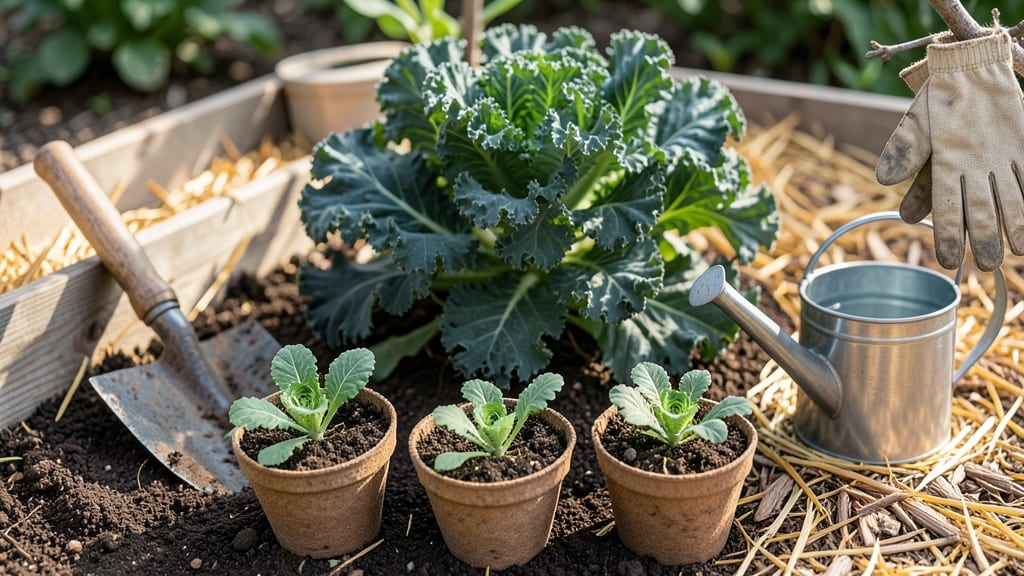
When to plant a fall garden in South Texas isn’t just about avoiding frost—it’s about mastering the heat. With 9a-10a zone summers lingering into October, one wrong move means wilting crops or missed harvests. The key? Planting August through October, but with a strategy that beats the Texas heat while setting up your garden for success.
Most gardeners assume fall means cooler weather, but South Texas’s slow-cooling climate demands a different approach. You’ll need to pick heat-tolerant varieties early and shift to cooler-season crops as temperatures drop.
Think of it like a game of chess—your moves in August will determine whether you’re harvesting crisp greens in November or playing catch-up with bolted lettuce.
I’ve tested these methods in my own garden, and the results speak for themselves: longer harvests, fewer pests, and zero frost damage.
Whether you’re a first-time gardener or a seasoned pro, this guide will give you the exact planting schedule—and the heat zone hacks—you need to turn your South Texas soil into a fall harvest goldmine.
Ready to grow? Let’s break down the perfect planting windows, the crops that thrive here, and how to stretch your season well past the first frost—because in Zone 9a, frost is more myth than reality. Your fall garden starts now.
South Texas fall planting calendar by heat Zone (Zone 9a-9b)
South Texas’s extended growing season and mild winters create a unique opportunity for fall gardening—but timing is everything. Unlike northern climates, Zone 9a-9b rarely sees frost, but heat stress and early cold snaps (especially in Zone 9a) can still ruin crops if you’re not careful.
Your planting window starts in early August for heat-tolerant crops and shifts to September-October for cool-season favorites. The key? Matching crop maturity with temperature drops—typically mid-October for most areas, with San Antonio cooling slightly earlier than Brownsville.
Here’s your heat-zone breakdown, including USDA Zone 9a (San Antonio, Corpus Christi) and Zone 9b (Brownsville, McAllen), with planting deadlines and first-frost averages (yes, they do happen in Zone 9a!).
| Heat Zone | First Frost Avg. | Plant Heat-Tolerant Crops | Plant Cool-Season Crops | Harvest Window |
|---|---|---|---|---|
| Zone 9a (San Antonio, Corpus Christi) | December 1 (rare, but possible) | August 1–15 (okra, sweet potatoes, malabar spinach) | September 1–30 (kale, broccoli, carrots) | October–December (staggered) |
| Zone 9b (Brownsville, McAllen) | January 10 (very rare) | August 1–31 (longer heat window) | September 15–October 15 (extend with row covers) | October–February (push limits) |
🌡️ Pro Tip: Use Texas A&M’s Frost Freeze Tool to check your exact first-frost date—it varies by elevation and microclimate.
For Zone 9a, aim to plant cool-season crops by September 15 to ensure harvest before November’s temperature drop. In Zone 9b, you’ve got extra time—but don’t wait past October 15 for slow growers like Brussels sprouts or cabbage.
My top 3 crops for early August planting (heat-tolerant) are okra (50–60 days to harvest), sweet potatoes (90–120 days), and Malabar spinach (60 days). These thrive in 90°F+ soil and give you a head start before cooler temps arrive.
Switch to cool-season powerhouses like kale, broccoli, and carrots in late August–early September. These need 60–75 days to mature, so September 15 is your last call for a pre-frost harvest in Zone 9a.
If you’re in Zone 9b, you can push boundaries with row covers or low tunnels to extend harvests into December. Just monitor nighttime temps—when they dip below 40°F, it’s time to protect your plants.
For container gardening, opt for fast growers like radishes (25 days) or bush beans (50 days) to maximize your small-space yields. Place pots near south-facing walls to capture extra heat during fall’s cooler mornings.
Remember: South Texas soil stays warm longer than northern regions, so amend with compost in August to boost microbe activity before planting. Add aged manure or worm castings to give seedlings a nutrient boost as temps drop.
🌱
5 Heat Zone hacks to extend your fall garden beyond the first frost
South Texas’s long growing season means we can push fall harvests later than most regions—but only if we work with the heat. The key is strategic timing and microclimate control.
Unlike northern gardeners who focus on frost dates, we’re racing against late-season heat stress while still preparing for rare December frosts in Zone 9a. Here’s how to beat both challenges.
First, start with shade cloth in late August for heat-sensitive crops like lettuce or spinach. A 30-50% shade cloth can drop soil temps by 10-15°F, making it safe to plant 4-6 weeks earlier than the calendar suggests.
I’ve seen baby kale thrive under shade in 95°F+ when direct-sown kale bolts within days.
Second, use black plastic mulch to warm soil for early plantings of Brussels sprouts or broccoli. Spread it 2-3 weeks before transplanting to create a 5-10°F warmer microclimate. This trick lets you plant heat-loving varieties like ‘Waltham 29’ cabbage in early September instead of waiting for October.
Shade Cloth Timing
Install 30-50% shade cloth over seed beds in late August for lettuce/spinach. Remove by mid-October to maximize sunlight for late harvests.
Black Plastic Mulch
Lay mulch 2-3 weeks before transplanting broccoli/Brussels sprouts. Warms soil 5-10°F for earlier starts.
Frost-Cloth Layers
Use lightweight frost cloth (1.2 oz) over tender crops like cabbage when night temps drop to 35°F. Remove during the day.
Drip Irrigation Trick
Run drip lines 1-2 hours before sunset to raise soil temps 2-3°F overnight. Critical for carrots and beets in November.
Succession Planting
Sow radishes every 10-14 days from August to October. Fastest maturing crops (25-30 days) ensure continuous harvests.
Don’t overlook frost cloth layers—they’re not just for freezing temps. A lightweight frost cloth (1.2 oz) can protect collard greens or turnips when night temps hit 35°F, which happens more often in South Texas than you’d think.
I’ve used it to extend harvests into early December in Corpus Christi.
For drip irrigation, time your system to run 1-2 hours before sunset. The moisture raises soil temps by 2-3°F overnight, which is enough to prevent chilling damage to carrots or beets in November. Pro tip: Add a soil thermometer to monitor temps—aim to keep roots above 40°F.
Finally, succession planting is your secret weapon. Fast crops like radishes (25 days) or bush beans (50 days) let you stagger plantings every 10-14 days.
This ensures you’re always harvesting something, even if a late frost takes out a batch of spinach. I’ve had three radish harvests between September and November using this method.