
Plants
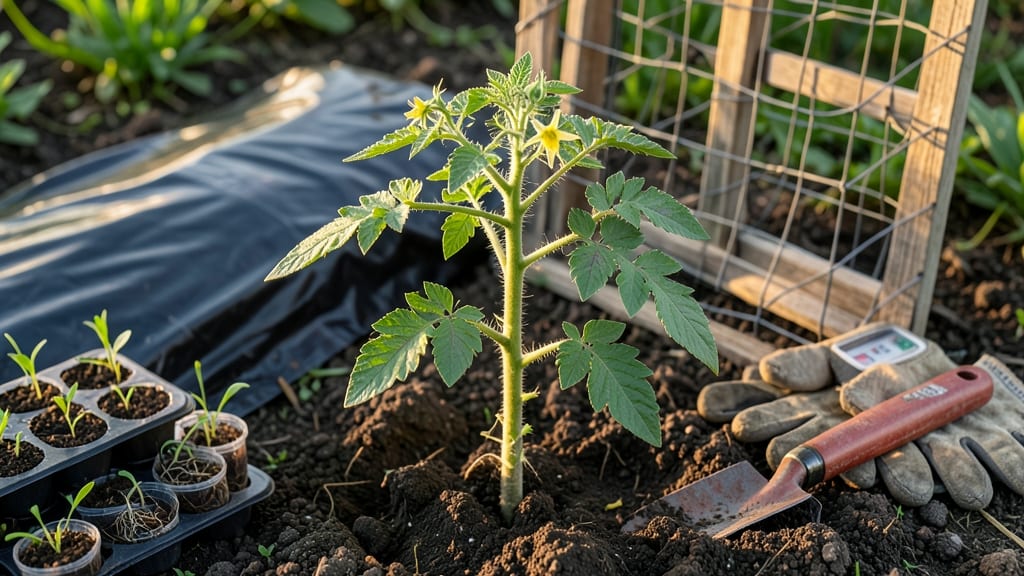
Planting tomatoes in Ohio at the wrong time can mean the difference between a bountiful harvest of juicy 🍅 or a sad, frost-nipped disappointment. The key isn’t just waiting for spring—it’s knowing when your soil warms up and the last frost has truly passed.
Ohio’s USDA Zone 6a climate means timing matters, especially since temperatures can swing wildly from week to week. Whether you’re starting seeds indoors or transplanting seedlings, getting this right ensures your plants thrive from June through October.
I’ll break down the exact soil temperature and frost-free window you need to target, plus how to adjust for Ohio’s regional differences. By the end, you’ll know exactly when to plant for the best results—no guesswork required.
Ready to grow tomatoes that outperform your neighbors’? Let’s dive into the perfect planting schedule for your Ohio garden.
Ohio’s frost-free dates & soil temperature guide for planting tomatoes
Ohio’s last frost dates vary dramatically across the state, with southern counties like Cincinnati often seeing frost-free conditions by mid-April, while northern areas like Cleveland may wait until early May.
This variability means your planting timeline depends heavily on your specific zip code. Always check the USDA Plant Hardiness Zone 6a map for your area—it’s your first clue for timing.
But frost dates alone aren’t enough—soil temperature is the real game-changer. Tomatoes need soil that’s consistently 55-65°F to thrive. If you plant too early, cold soil stunts root growth and invites disease.
Use a soil thermometer (just $10 at garden centers) to confirm readiness before sticking seeds or transplants in the ground.
Here’s the critical rule: Never plant tomatoes outdoors until the nighttime lows stay above 50°F for at least a week. In Ohio, this typically aligns with late April to early May, but don’t rely on averages—watch your local weather forecasts for warm fronts and frost warnings.
Southern Ohio gardeners (e.g., Columbus, Dayton) can often start transplanting by April 15-30, while northern regions (e.g., Toledo, Youngstown) should wait until May 1-15. For direct sowing seeds, add 2-3 weeks to these dates since seedlings are more delicate than transplants.
| Region | Last Frost Date | Safe Planting Window | Soil Temp Requirement |
|---|---|---|---|
| Southern Ohio (Columbus, Dayton) | Mid-April | April 15–30 | 55–65°F |
| Central Ohio (Cincinnati, Zanesville) | Late April | April 20–May 5 | 55–65°F |
| Northern Ohio (Cleveland, Toledo) | Early May | May 1–15 | 55–65°F |
| All Regions (Direct Sowing) | Add 2–3 weeks | May 1–30 | 60°F minimum |
🌱 Pro Tip: Use black plastic mulch to warm soil faster in early spring.
If you’re eager to start early, consider container gardening. Pots warm up faster than garden beds, letting you transplant seedlings 2 weeks earlier without frost risk. Just ensure containers have drainage holes and use a heat mat ($15–$25) to keep roots cozy during chilly nights.
For gardeners in microclimates (like urban heat islands or sheltered valleys), you might push planting dates 5–7 days earlier. Observe your yard’s warmth patterns—areas near buildings or south-facing slopes often stay warmer longer.
A simple week-long test with a soil thermometer will confirm if you can beat the average frost date.
One common mistake? Planting based on air temperature alone. A 70°F day with 40°F nights can still shock tomato roots. Always check soil temperature at 4 inches deep—that’s where roots need warmth to grow. If your soil is cold, delay planting or use row covers to protect young plants.
Ohio’s first frost typically arrives in mid-October, but some years it comes as early as September. Plan your planting schedule to give tomatoes 90–120 days to mature before frost.
Fast-maturing varieties like 'Early Girl' (60 days) are ideal for late starts, while heirlooms like 'Brandywine' (85+ days) need early planting.
For a longer harvest, consider succession planting: Add a second batch of transplants 2–3 weeks after your first planting. This ensures fresh tomatoes when the first plants start slowing down in late summer. Just space your second planting 10–12 inches apart to avoid overcrowding.
Best planting methods in Ohio: transplants vs. seeds & staggered planting strategies
Ohio gardeners have two main options for growing tomatoes: starting seeds indoors or buying transplants from nurseries. Each method has pros and cons, especially when dealing with Ohio’s unpredictable spring frosts. I’ve found that transplants give me a head start, while seeds offer more variety—but timing is everything.
For transplants, wait until after your last frost date (typically mid-April in southern Ohio, late May in the north) and when soil temps hit 55-65°F. Hardening off seedlings for 7-10 days before planting is critical—skipping this step can shock tender plants in Ohio’s chilly mornings.
If you prefer direct sowing, plant seeds only after soil warms to at least 60°F (usually late May in most of Ohio). I’ve had success with heat-loving varieties like 'Solar Fire', which germinates faster in warm soil.
Just be prepared to protect seedlings with row covers if frost sneaks back.
Transplants vs. Seeds in Ohio
Transplants
- ✅ Faster harvest (4-6 weeks earlier)
- ✅ More mature plants resist Ohio’s late frosts better
- ✅ Wider variety available at nurseries
- ❌ Less control over growing conditions
- ❌ Higher cost for quality plants
Seeds
- ✅ Cheaper for large quantities
- ✅ Custom varieties not sold locally
- ✅ Earlier start (indoors in March)
- ❌ Slower growth if planted late
- ❌ Requires more care (hardening off, etc.)
For a longer harvest, try staggered planting: sow seeds every 2-3 weeks from May through June. This ensures tomatoes ripen continuously until Ohio’s first frost (usually mid-October). I’ve had great luck with this method—even in years when spring drags on.
Pro tip: If you’re planting late (after June), choose fast-maturing varieties like 'Early Girl' (55 days) or 'Stupice' (50 days). These can still produce before frost hits. Just give them a head start indoors if possible.
Remember, Ohio’s microclimates vary wildly. Urban areas like Columbus often warm up faster than rural spots, so check your local Almanac frost dates and adjust accordingly. With the right timing, you’ll be feasting on homegrown tomatoes from July through October! 🍅