
Plants
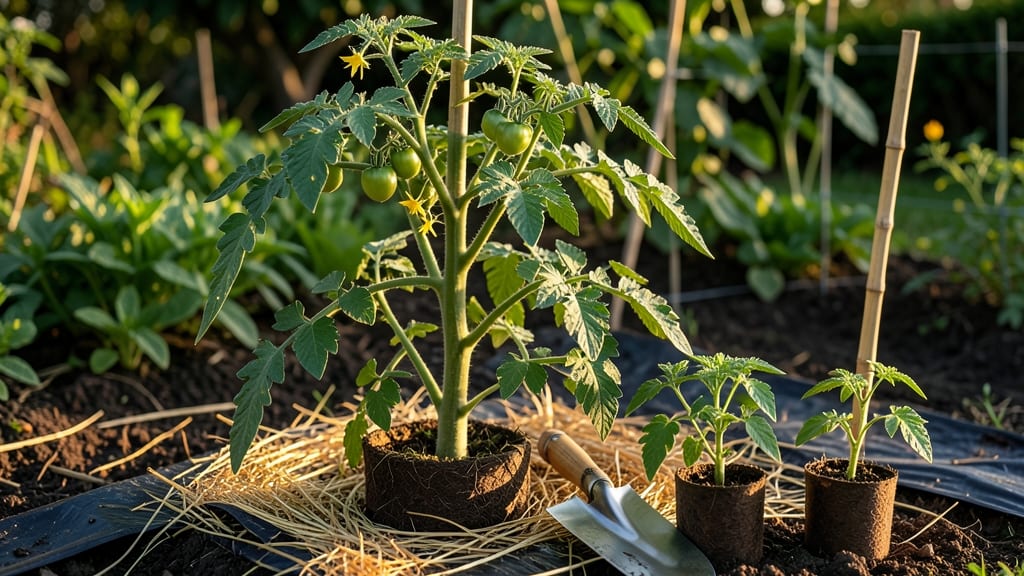
If you’ve ever wondered when can you plant tomatoes in Florida, the answer is simpler than you think—you can grow them year-round, but timing is everything to avoid heat stress or pests.
Florida’s unique climate means your 🍅 plants can thrive in zones 8a-11, but regional differences (like the Panhandle vs. the Gulf Coast) change the game.
The key is staggering plantings to avoid extreme heat or humidity spikes. In North Florida, start transplants in February-March, while South Florida gardeners can plant almost anytime—just watch for soil temperatures (aim for 60°F+). Late summer plantings in July-August work too, but shade cloth helps in peak heat.
Why does this matter? Wrong timing leads to bolting (early flowering) or stunted growth. I’ll break down the best months for your zone, plus pro tips to extend your harvest from April through November. Ready to grow more tomatoes than ever?
Let’s dive into Florida-specific strategies that actually work—no generic advice here. You’ll learn how to beat the heat, pick the right varieties, and keep pests at bay. Your next 🍅 bounty starts with the right timing!
Florida tomato planting calendar by heat Zone (avoid frost & extreme heat)
Florida’s diverse climate—from the Panhandle’s cooler winters to the Miami heat zones—means tomato planting isn’t one-size-fits-all. Unlike northern states, you can grow tomatoes year-round, but timing still matters to avoid heat stress or pest surges.
Below is your heat-zone-specific calendar for planting transplants vs. seeds, with adjustments for staggered harvests.
First, identify your USDA heat zone (8a–11). North Florida (e.g., Jacksonville) has cooler winters (Zone 8a), while South Florida (e.g., Miami) stays frost-free year-round (Zone 11). Even within these zones, microclimates (like urban heat islands) can shift planting windows by 2–4 weeks.
Key rule: Plant transplants when soil temps hit 60°F and air temps stay above 55°F at night. For seeds, wait until soil is 70°F+ to avoid damping-off disease. Use black plastic mulch to warm soil faster in cooler months.
| Heat Zone | Best Transplant Months | Seed Start Indoors | Late-Summer Planting | Avoid Planting |
|---|---|---|---|---|
| North FL (8a-9a) | Feb–March July–August |
Jan (for early transplant) | Aug (before heatwave) | Dec–Jan (frost risk) |
| Central FL (9b-10a) | Jan–Feb June–July |
Dec (early start) | July (shade cloth needed) | None (but avoid Nov) |
| South FL (10b-11) | Year-round (stagger) | Dec–Jan (early harvest) | Aug–Sept (shade + drip irrigation) | None (but avoid peak summer) |
🌡️ Pro Tip: Use a soil thermometer—tomatoes wilt faster when soil temps exceed 95°F.
For North Florida (Zones 8a–9a), aim for two planting waves: early (February–March) and late summer (July–August). The early batch avoids spring pests like aphids, while the late batch escapes summer’s brutal heat.
In Central Florida (Zones 9b–10a), you can plant year-round, but June–July transplants need shade cloth to prevent sunscald.
In South Florida (Zones 10b–11), tomatoes thrive year-round, but staggered planting is key. Start seeds in December–January for early harvests, then plant every 6–8 weeks to extend your season. Avoid planting in peak summer (June–August) unless you provide drip irrigation + shade.
If you’re in the Panhandle (e.g., Tallahassee), watch for unpredictable frosts in January. Use row covers or grow tomatoes in containers that you can move indoors if temps drop below 40°F.
For coastal areas (e.g., St. Petersburg), humidity is higher, so prioritize disease-resistant varieties like 'Celebrity' or '
5 Signs your tomato planting timing is wrong (and how to Fix it)
Planting tomatoes at the wrong time in Florida can lead to stunted growth, poor yields, or even plant death. Since Florida’s climate allows year-round planting, it’s easy to misjudge the best window. If your tomato plants show these 5 warning signs, your timing might be off.
First, watch for leaf curling or yellowing. This often signals heat stress if planted too late in summer or cold damage if planted too early in cooler months. Florida’s North vs. South zones behave differently—what works in Miami (Zone 11) may fail in Jacksonville (Zone 8a).
🌱
⚠️ Warning Signs & Fixes
- Leaf curling/yellowing: Plant too early (cold) or too late (heat). Fix: Replant in ideal 60°F+ soil.
- Blossom drop: Extreme heat (>95°F) or cold (<50°F). Fix: Use shade cloth or black plastic mulch.
- Stunted growth: Poor soil temps or nutrient deficiency. Fix: Test soil and fertilize with 10-10-10.
- Pests (aphids/whiteflies): Weak plants from stressful timing. Fix: Spray neem oil and adjust planting.
- Fruit cracking: Inconsistent watering post-planting. Fix: Water deeply 1-2x/week.
Another red flag is blossom drop, where flowers fall off before fruiting. This happens when temperatures swing too high or low during flowering. In Florida’s summer heat, this is common if planted in June or July—opt for heat-tolerant varieties like 'Solar Fire' instead.
If your plants look weak or leggy, they may be struggling with light deprivation or overcrowding. Florida’s long growing season means you can stagger plantings, but spacing matters. Give each plant 18-24 inches of space to avoid competition for nutrients and sunlight.
For container-grown tomatoes, timing is even trickier. If your plants wilt quickly in afternoon heat, they’re likely dehydrated. Move containers to shadier spots during peak sun (12-3 PM) or use self-watering pots to maintain moisture.
Finally, if your tomatoes bolt (send up flower stalks too early), you planted too late in the season. This is common in September plantings in North Florida. To prevent it, choose determinate varieties (like 'Celebrity') for shorter growing seasons.