
Companion Plants
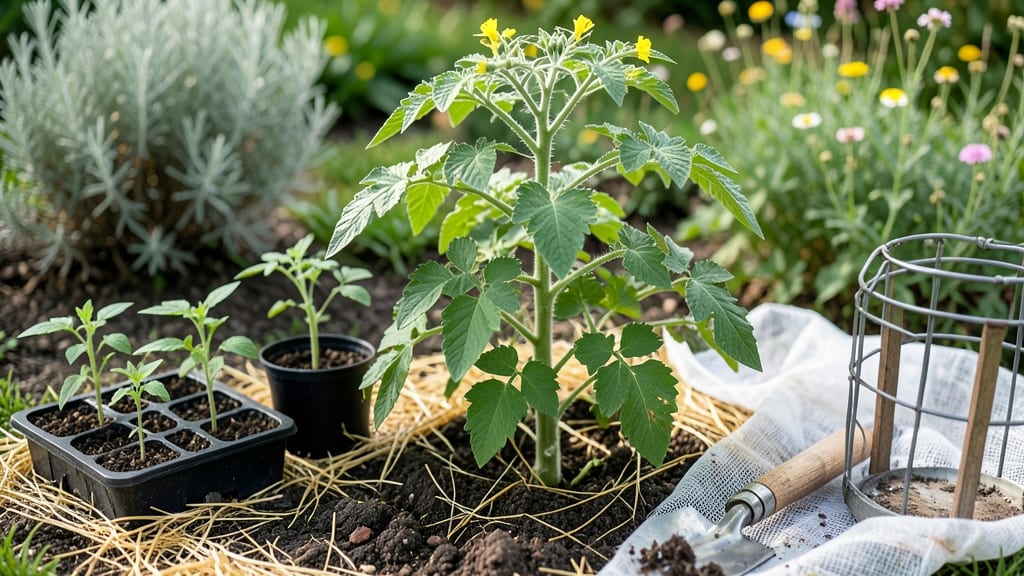
Timing when you can plant tomatoes in Ohio can make or break your harvest—get it wrong, and frost or heat waves will ruin your hard work. With USDA Zones 6a-6b’s unpredictable springs, knowing exactly when to plant isn’t just helpful—it’s essential for a bountiful season.
Most Ohio gardeners wait until after the last frost date, typically between April 15 and May 15, but soil temperature is just as critical.
Planting too early when the ground is still chilly (below 55°F) can stunt growth or invite disease, while waiting too long might cut your harvest short.
I’ll break down the exact frost-free timeline for your region, whether you’re in Columbus, Cincinnati, or Cleveland, and share pro tips for starting seeds indoors versus direct sowing.
By the end, you’ll know exactly when to put those seedlings in the ground for the best chance at juicy, homegrown tomatoes all summer long.
Ready to avoid common mistakes and maximize your Ohio tomato garden? Let’s dive into the perfect planting window—because timing really is everything when it comes to 🍅 tomatoes in the Buckeye State.
Ohio’s frost-free timeline for planting tomatoes in zones 5B/6A
Ohio’s USDA Zones 5B and 6A create a tricky balance for tomato growers. The average last frost date hovers between April 15 and May 15, but this can shift weeks earlier or later depending on your specific location.
In Columbus, for example, gardeners often wait until mid-May, while Cincinnati’s slightly warmer microclimate may allow earlier planting. Always check your local Almanac’s frost predictions—they’re your best friend for precision.
Beyond frost dates, soil temperature is the real game-changer. Tomatoes need soil temps of 60°F+ to thrive, and nighttime temperatures should stay above 50°F. A soil thermometer (just $10 at garden centers) will save you from planting too soon.
In Ohio, this usually aligns with late April to early May, but don’t rush—cold soil stresses seedlings and invites disease.
Here’s where Ohio’s geography gets tricky. Northern Ohio (Cleveland, Toledo) often plays it safer, waiting until May 10–20, while southern Ohio (Athens, Chillicothe) can start as early as April 20.
Urban areas like Columbus may experience microclimates—your backyard could be 5°F warmer than the official station’s readings. Test your soil for a full week before planting to confirm readiness.
🌱
If you’re starting seeds indoors, begin them 6–8 weeks before your target outdoor planting date. For Ohio, that means early March to mid-April. Use grow lights to prevent leggy seedlings, and harden them off for 1–2 weeks before transplanting.
Pro tip: Plant a few extra seeds—Ohio’s unpredictable weather can claim even the hardiest seedlings.
For direct sowing, wait until after May 1 unless you’re using row covers or a cold frame. These tools can push your planting window 2–3 weeks earlier, but remove them during the day to avoid overheating.
In Columbus, I’ve successfully planted Early Girl tomatoes under row covers as early as April 10, but only with consistent daytime temps above 65°F.
Don’t overlook succession planting—this is your secret weapon for a longer harvest. Plant a second batch 2–3 weeks after your initial planting. By late June, your first tomatoes will be ready, and the second crop will take over.
This strategy extends your harvest through September or October, depending on the variety. Stupice and Mountain Merit are Ohio favorites for their late-season resilience.
Finally, keep an eye on Ohio’s 10-day forecast in the days leading up to planting. A sudden cold snap can drop nighttime temps below 50°F, stressing young plants.
If frost is predicted, cover seedlings with frost blankets or move potted plants to a sheltered spot. Prevention is easier than recovery—trust me, I’ve learned this the hard way with $20 worth of seedlings turned to mush!
Ohio’s USDA Zones 5B and 6A create a tricky balance for tomato lovers—too early, and a late frost zaps your seedlings; too late, and your harvest shrinks. The key is waiting for soil temperatures to hit at least 55°F, with nighttime temps staying above 50°F consistently. Most Ohio regions see their average last frost date between April 15 and May 15, but microclimates (like urban heat islands or lake-effect zones) can shift this by weeks. For example, Columbus typically hits its frost-free date around April 20, while Cleveland often waits until May 5. Cincinnati’s varied terrain means gardeners there should monitor local forecasts closely. Even if your neighbor’s tomatoes thrive with early planting, your elevation or soil type might demand patience. Always check Ohio State Extension’s frost maps or use a soil thermometer to confirm readiness. 🌡️ Pro Tip: Even after the last frost, wait until soil temps hit 60°F for 2+ days to prevent blossom end rot. If you’re starting seedlings indoors, begin them 6–8 weeks before your target outdoor date. For Northern Ohio, that means March 15–April 1, while Southern Ohio gardeners can start as early as February 20. Use grow lights to supplement weak winter sunlight, and harden off seedlings for 7–10 days before transplanting. Avoid rushing—underdeveloped seedlings struggle to recover from transplant shock. For direct sowing, wait until after May 1 in most of Ohio to minimize frost risk. Choose early-maturing varieties like ‘Early Girl’ (55 days) or ‘Stupice’ (60 days) to maximize your harvest window. Succession planting every 2 weeks after your initial date ensures a continuous supply of ripe tomatoes through September or October. Don’t rely solely on calendar dates. Use Ohio’s 10-day forecast and track soil warmth with a digital thermometer ($15 at garden centers). If nighttime temps dip below 50°F after planting, protect seedlings with floating row covers or a mini greenhouse. Patience now means bigger yields later—and fewer sad, frost-nipped plants. Remember, Ohio’s first frost typically arrives around October 15, giving tomatoes about 165 frost-free days. Plan your harvest timeline accordingly: Early varieties should be in by June 15, while heirlooms need 90+ days and must go in by May 1. Adjust for your local microclimate—a south-facing wall or black plastic mulch can add 2–3 weeks to your growing season.Ohio’s frost-free timeline for planting tomatoes in zones 5B/6A
🌱 Ohio Tomato Planting Timeline by Zone & Microclimate
Region
Avg. Last Frost
Safe Planting Window
Soil Temp Threshold
Microclimate Tip
Northern Ohio (Cleveland, Toledo)
May 5–10
May 15–20
60°F+
Use row covers for earlier starts
Central Ohio (Columbus, Dayton)
April 20–25
May 1–10
55°F+
Urban areas warm faster—test soil!
Southern Ohio (Cincinnati, Lexington)
April 10–15
April 25–May 5
50°F+
Hilly areas stay cooler—plant low spots last