
Plants
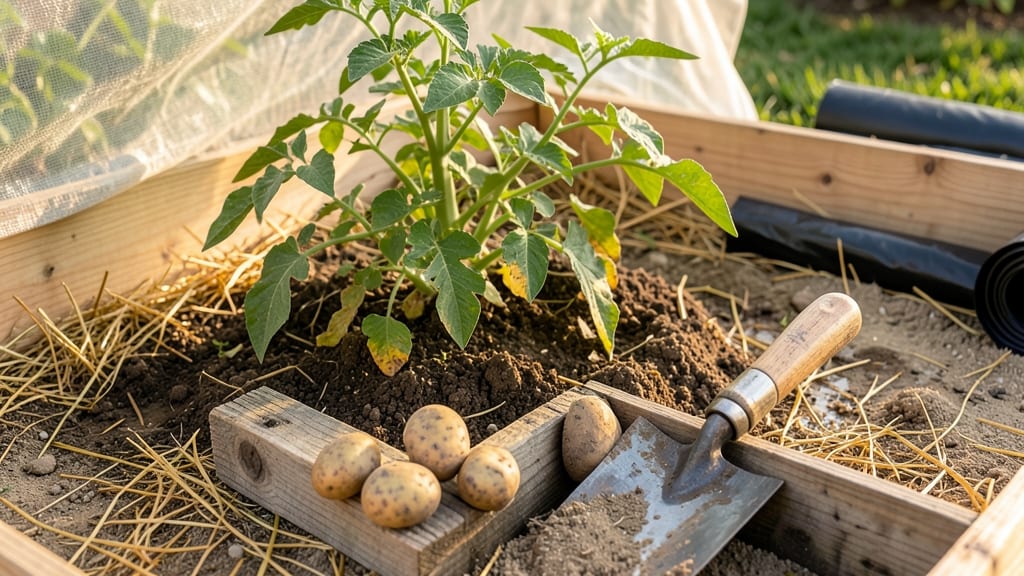
If you’ve ever planted 🥔 in Florida and watched your seed potatoes sit in the soil for weeks without sprouting, you’re not alone—timing is everything.
The key to fast germination isn’t just picking a month; it’s waiting for that sweet spot when soil temperatures hit 50–60°F, a tricky balance in Florida’s humid climate.
Most gardeners assume spring is the only window, but Florida’s 9a–11 zones actually offer two prime chances: late summer/early fall (September–October) and early spring (February–March). Skipping these windows means slower growth, pest problems, or even failed harvests—especially in North Florida’s rare light frosts.
In this guide, I’ll break down the exact soil temp triggers, regional tweaks (yes, South Florida’s heat behaves differently!), and how to outsmart Florida’s humidity and pests. No more guessing—just fast, reliable potatoes that thrive in your backyard.
Ready to ditch the trial-and-error? Let’s get your 🥔 off to a best-start-ever with science-backed timing and local hacks.
Florida’s ideal potato planting windows by month (soil temp guide)
Florida’s two prime potato planting windows—fall (September–October) and early spring (February–March)—align with cooler soil temperatures that trigger germination. Unlike northern states, Florida’s lack of frost means no need to rush planting, but soil temperature is your true guide.
Aim for 50–60°F at 4 inches deep; below 50°F, germination stalls, while above 65°F, tubers may form greenskin (toxic solanine).
North Florida’s Zone 8a/8b (e.g., Gainesville, Tallahassee) can handle fall planting in August if you use shade cloth to protect seedlings from heat stress.
Central Florida (Zone 9a) thrives with September–October plantings, while South Florida (Zone 10a+) often skips fall entirely due to humidity and pests, opting for winter or early spring instead.
🌱 Key Insight: Florida’s long growing season lets you plant potatoes twice a year, but timing depends on your USDA zone. Miss the window, and you risk slow growth or disease pressure from fungal pathogens like early blight, which flourishes in Florida’s warm, wet springs.
Here’s your month-by-month breakdown of ideal planting times, soil temp triggers, and regional adjustments:
| Month | Ideal Planting Window | Soil Temp (°F) | Regional Notes |
|---|---|---|---|
| August | North FL only (Zone 8a/8b) | 50–55°F | Use shade cloth; high pest risk |
| September | All zones | 55–60°F | Best for North/Central FL |
| October | All zones | 50–58°F | Avoid South FL (humidity) |
| February | All zones | 58–62°F | Ideal for South FL |
| March | All zones | 55–60°F | Risk of heat stress by late March |
South Florida gardeners (Zone 10a+) often skip fall planting entirely due to persistent humidity and pest pressure. Instead, they focus on February–March plantings, using drip irrigation to manage moisture. The trade-off? Harvests align with summer, when demand for fresh potatoes peaks.
For North Florida, August plantings are risky but possible with shade cloth and earlier-maturing varieties like ‘Red LaSoda’ (60–70 days to harvest). These potatoes avoid late-summer heat while still yielding before fall rains increase disease risk.
Test your soil’s moisture retention first—Florida’s sandy soils dry out fast, even in cooler months.
If you’re in Central Florida, aim for September 15–October 15 for fall plantings. This window lets tubers bulk up before winter rains arrive in December. For spring, February 1–March 15 is ideal, but avoid planting after March 20—soil temps often exceed 65°F, causing greenskin and stunted growth.
💡 Heatwave Hack: If you must plant in April or later, use black plastic mulch to raise soil temps 5–10°F and reduce evaporation. Pair this with drought-tolerant varieties like ‘Kennebec’ or ‘Russet Burbank’ for better success.
Finally, remember that Florida’s microclimates matter. A garden in Orlando’s urban heat island may need earlier plantings than one in rural Ocala. Monitor local weather patterns—a cool snap in December can revive fall plantings, while unseasonable heat in January may stress spring crops.
🌡️ Soil Temp Check: Stick a thermometer 4 inches deep for 3 days to confirm consistency. If temps fluctuate ±5°F daily, delay planting until conditions stabilize.
Florida’s ideal potato planting windows by month (soil temp guide)
Florida’s two prime potato planting windows—early spring (Feb–Mar) and late summer (Sep–Oct)—align with soil temperatures between 50–60°F. This range triggers germination without risking heat stress.
North Florida’s cooler microclimates (like Zone 9a) can plant slightly earlier, while South Florida’s Zone 11 must wait for cooler evenings to avoid wilting.
Spring planting yields harvests by May–June, while fall planting delivers December–January tubers. The key? Soil thermometers—plant only when temps consistently hit 50°F at 4-inch depth. Skipping this step leads to slow sprouting or rot in Florida’s humid heat.
| Planting Window | Ideal Soil Temp (°F) | Harvest Window | Florida Region Notes |
|---|---|---|---|
| Feb–Mar (Spring) | 50–60°F | May–June | North FL: Plant by Feb 15; South FL: Wait until Mar 1 |
| Sep–Oct (Fall) | 55–65°F (evenings) | Dec–Jan | Use shade cloth if temps exceed 85°F during day |
| Jan (Risky) | Below 50°F | Slow/no germination | Avoid unless using heated beds |
| Apr–Aug (Too Hot) | Above 70°F | Stunted growth | Potatoes bolt; focus on sweet potatoes instead |
Heatwaves during fall planting? Use black plastic mulch to warm soil faster and shade cloth (30–50%) to protect sprouts. For North Florida gardeners, light frosts in January can damage foliage but rarely harm tubers—just add straw mulch as insurance.
Pro tip: Chit seed potatoes (sprout indoors) 4–6 weeks before planting to jumpstart growth. Place them near a sunny window and watch for 1-inch sprouts—these are ready to hit Florida’s soil.
Missed the ideal window? Try container growing with heat-tolerant varieties like ‘Red LaSoda’. Fill pots with well-draining mix and move them to shade during peak afternoon sun.