
Plants
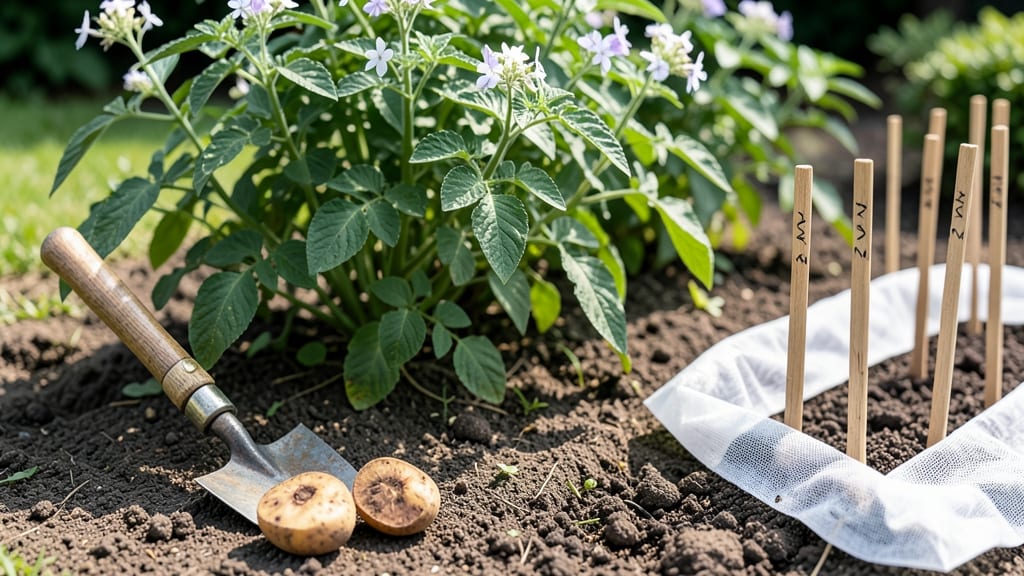
Planting potatoes in Zone 5 at the right time can transform your garden from a gamble to a guaranteed harvest. The 2-week window between soil warming to 50°F and your last frost date is where the magic happens for 🥔 success.
Most gardeners in Zone 5 wait until early April to plant, but timing depends on your specific frost dates and variety. Early potatoes like Yukon Gold thrive when planted 4-6 weeks before frost, while late varieties need that extra time to mature before fall's chill sets in.
I’ve learned the hard way that planting too early risks frost damage, while waiting too long means smaller tubers. The key is balancing soil warmth with frost-free days—150 days of growing season is ideal for most varieties.
Let’s break down exactly when to plant, how to adjust for your microclimate, and the simple care steps that’ll give you the harvest of your dreams. Ready to dig in?
Zone 5 potato planting timeline: frost dates, soil temperature & ideal window
Getting your potatoes planted at the right time in Zone 5 is all about balancing soil warmth and frost risk. The ideal window opens when soil temperatures reach 40-50°F, typically 4-6 weeks before your last expected frost date.
In most of Zone 5, this means late March to early April, but regional variations exist—northern areas may need to wait until mid-April.
Potatoes are cold-hardy but won’t thrive in frozen soil. If you plant too early, your seed potatoes may rot. If you wait too long, you’ll miss the optimal 70-120-day growing window before the first frost. The key is soil temperature, not air temperature—use a soil thermometer to confirm readiness.
For Zone 5 gardeners, here’s what you need to know about timing:
| Stage | Action | Zone 5 Timeline |
|---|---|---|
| Soil Prep | Test soil pH (5.8-6.5), amend with compost | February - Early March |
| Seed Potato Chitting | Expose to light for sprouts (optional) | Late February - March |
| Planting Window | Plant when soil hits 40-50°F | Late March - Early April |
| Hilling Soil | Mound soil around stems every 2-3 weeks | April - June |
| Harvest Ready | New potatoes: 60-70 days; Mature: 90-120 days | June - August |
If you’re in the northern half of Zone 5 (e.g., Minnesota, Wisconsin), aim for mid-April planting to avoid late frosts. Southern Zone 5 (e.g., Ohio, Pennsylvania) can start as early as late March.
Always check your local frost dates—they can vary by 1-2 weeks even within the same zone.
For extended harvests, consider planting early varieties (e.g., Yukon Gold) in late March and late varieties (e.g., Russet Burbank) in early May. This staggered approach ensures potatoes ready at different times, reducing waste and maximizing your yield.
Pro tip: Use black plastic mulch or straw mulch to warm the soil faster in early spring. This can shave 1-2 weeks off your planting timeline by raising soil temperatures 5-10°F above ambient air temps.
One common mistake is relying on air temperature instead of soil temperature. A 50°F day might feel warm, but if the soil is still below 40°F, your potatoes won’t sprout properly. Always check with a soil thermometer—it’s the most accurate way to time your planting.
Finally, if you’re worried about late frosts, consider using row covers or planting in low-lying areas where cold air settles. This can buy you an extra 2-3 weeks of frost protection for your young plants.
With the right timing, your Zone 5 potato patch can produce 20-30 pounds per 10-foot row—but only if you plant when the soil is ready, not just when the calendar says spring has arrived. 🌱
How to adjust planting time for early vs. late potato varieties in Zone 5
Not all potatoes are created equal—and in Zone 5, choosing the right variety and planting time can mean the difference between a 60-day harvest of new potatoes and a 120-day wait for full-sized tubers.
Early varieties like Yukon Gold or Red Norland thrive when planted 4-6 weeks before your last frost, while late varieties like Russet Burbank need that extra time to mature before fall frost hits.
I’ve found that staggering plantings by 2-3 weeks gives me a continuous harvest from early summer through fall. For example, planting early varieties in late March and late varieties in early May extends my harvest window by nearly 2 months.
The key is matching your variety’s days to maturity with your frost-free window.
Here’s how to adjust your planting schedule based on your potato variety:
Early Varieties (60-90 days)
- Fast harvest (ready by June-July)
- Great for new potatoes and small tubers
- Less risk of late blight in fall
- Smaller final tuber size
- Limited storage life
Late Varieties (100-120 days)
- Larger final tuber size (ideal for storage)
- Better for baking and long-term storage
- Higher yield per plant
- Risk of fall frost damage if planted too late
- Longer wait for harvest
Mid-Season Varieties (90-100 days) offer a balance—plant them 2-3 weeks after early varieties for a staggered harvest.
For Zone 5 gardeners, I recommend planting early varieties in late March (as soon as soil reaches 45°F) and late varieties in early May. This gives you a 3-month harvest window from June through September.
If you’re worried about late frost, use row covers or plant in a south-facing bed that warms up faster.
Pro tip: Save space by interplanting early varieties with fast-growing greens like spinach or radishes. Once your potatoes emerge, the greens will be ready to harvest, leaving room for the potatoes to spread.
Remember, soil temperature matters more than calendar dates. Use a soil thermometer to confirm the ground is at least 50°F before planting—cold soil delays sprouting and can stunt growth. If your soil is still chilly in early spring, consider using black plastic mulch to warm it up faster.
With the right timing and variety mix, you’ll enjoy fresh potatoes all summer long—no more waiting until July for your first harvest! 🥔