
Plants
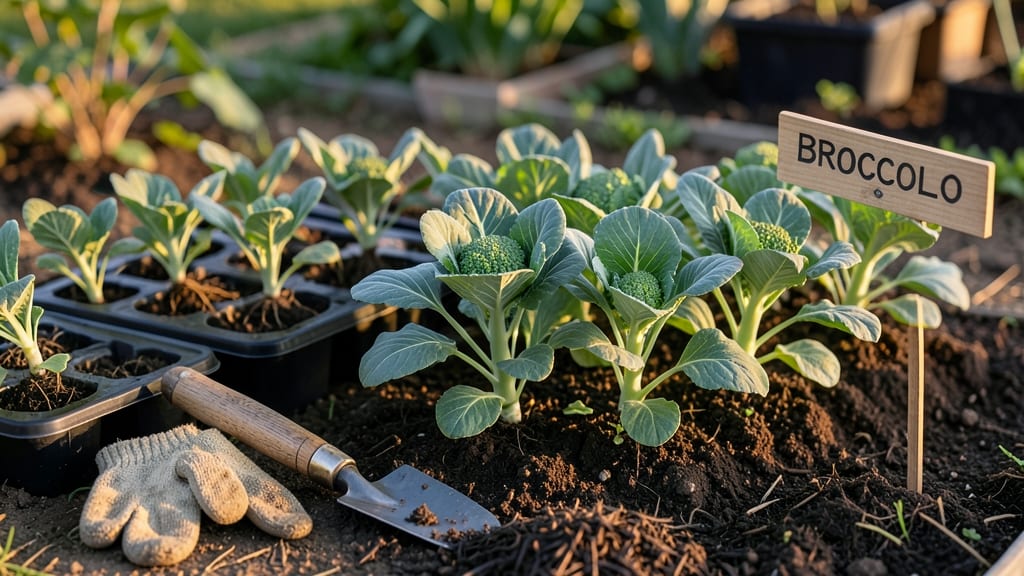
Timing your broccoli planting in North Florida isn’t just about the calendar—it’s about outsmarting the heat and avoiding the dreaded bolting that turns your green dreams into bitter disappointment.
With summer temperatures hitting 90°F+, most varieties wilt faster than a snowball in July, but there’s a sweet spot that works for North Florida’s USDA Zone 8a climate.
If you’ve ever stared at your wilting 🥦 plants in frustration, wondering why they refuse to thrive, you’re not alone. The key lies in planting during North Florida’s cooler seasons—September-October for fall and February-March for spring—when temperatures dip just enough to give broccoli a fighting chance.
These windows align perfectly with the region’s 210 frost-free days, giving your plants the 60-80 days they need to mature before winter sets in.
But here’s the game-changer: not all broccoli is created equal. Some varieties—like ‘Waltham 29’ or ‘Calabrese’—are tougher than your average garden plant, better equipped to handle North Florida’s humidity and heat spikes.
I’ll show you which ones to pick and how to stretch your growing season with simple tricks, so you’re harvesting crisp, flavorful heads by November-December or April-May.
Ready to turn your garden into a broccoli powerhouse? Let’s dive into the exact planting schedule, variety picks, and pro tips that’ll have you reaping the rewards—no more guesswork, just consistent, delicious results.
North Florida’s ideal broccoli planting window: month-by-month frost-free guide
North Florida’s USDA Zone 8a climate demands precise timing for broccoli—too early, and summer heat triggers bolting; too late, and frost ruins tender plants.
The frost-free window spans just 210 days, so strategic planting is key. Most gardeners focus on fall and spring crops to avoid the brutal July-August heat.
For fall broccoli, aim to plant September through October—this gives plants 60-80 days to mature before the average first frost (Nov 15). In spring, February-March plantings align with cooling temperatures, avoiding the heat stress that causes premature flowering.
Microclimates vary: Jacksonville’s coastal warmth extends the frost-free season by 2-3 weeks compared to inland Gainesville or Tallahassee. Adjust your planting dates accordingly—coastal gardeners can push fall plantings into early November, while inland areas should finish by mid-October.
🌱
| Season | Planting Window | Frost Risk | Heat Risk | Harvest Window |
|---|---|---|---|---|
| Fall | Sep 15 - Oct 15 | Low (pre-frost) | Moderate (late Sept) | Nov 1 - Dec 15 |
| Spring | Feb 15 - Mar 15 | None | Low (early) | Apr 1 - May 15 |
| Late Fall (Coastal) | Oct 20 - Nov 10 | Moderate | None | Dec 1 - Jan 15 |
| Avoid | June - Aug | None | High (bolting risk) | N/A |
To maximize yields, stagger plantings every 2-3 weeks during your chosen window. For example, plant half your seeds in late September and the rest in mid-October—this ensures a continuous harvest through December. Use shade cloth (30-50%) if planting in late September to protect seedlings from lingering summer heat.
Soil temperature is critical: broccoli seeds won’t germinate below 45°F (7°C). Test your soil before planting—if temperatures dip below this, wait 1-2 weeks or use a seedling heat mat for faster germination. In spring, aim for soil temps between 50-70°F (10-21°C) for optimal growth.
For coastal areas, leverage the warmer microclimate to extend your season. Plant a third late-fall crop in early October and use row covers to shield from light frosts.
Inland gardeners should prioritize frost dates—check your local Cooperative Extension Service for precise frost predictions, as inland areas can see frost 2 weeks earlier than coastal zones.
Pro tip: Mark your calendar for the last frost date (March 15)—this is your cue to start spring plantings. Use fast-maturing varieties (50-60 days) like ‘Green Magic’ to ensure harvests before summer heat sets in.
If you miss spring, don’t despair—fall is your best bet for North Florida broccoli success.
🌡️
North Florida’s ideal broccoli planting window: month-by-month frost-free guide
North Florida’s USDA Zone 8a climate demands precise timing for broccoli—plant too early, and you’ll face summer bolting from heat stress; too late, and frost ruins your crop.
The optimal window spans September-October for fall crops and February-March for spring, aligning with cooler temperatures and shorter days that broccoli thrives in.
Your first frost date typically arrives around mid-November, while the last frost lingers until mid-March. To maximize yields, aim to harvest before December’s chill or after March’s lingering cold snaps. Jacksonville’s coastal microclimate offers a 2-3 week earlier planting window than inland areas like Gainesville or Tallahassee.
📅 North Florida Broccoli Planting & Harvest Timeline
| Season | Planting Month | Harvest Window | Key Considerations |
| Fall | September-October | November-December | Cool nights (65°F), avoid 90°F+ days |
| Spring | February-March | April-May | Soil 60°F+, watch for late frosts |
| Extended Fall | August (shade) | October | Use 30% shade cloth for heat protection |
For fall planting, start seeds indoors 6-8 weeks before your target transplant date (mid-August for Jacksonville, late August inland). Transplant seedlings when soil temperatures drop below 85°F—use a soil thermometer to monitor. In spring, wait until soil warms to 60°F and nighttime temps stay above 50°F consistently.
North Florida’s microclimates vary drastically: Jacksonville’s coastal breezes delay frost by 2-3 weeks compared to Tallahassee’s inland chill. Adjust your planting by 10-14 days earlier in coastal areas and late in inland zones. Always check your local Cooperative Extension Service for updated frost data.
Pro tip: Succession planting every 2 weeks in fall extends your harvest into December. For spring, stagger plantings every 3 weeks to ensure continuous production through May. Use row covers for early/late plantings to protect against unexpected frosts.
Remember: Broccoli bolts (prematurely flowers) when stressed by heat or drought. In North Florida’s summer heat, even shade-tolerant varieties struggle—save your energy for fall and spring plantings where conditions are ideal. With the right timing, you’ll enjoy crisp, homegrown broccoli for months! 🥦