
Plants
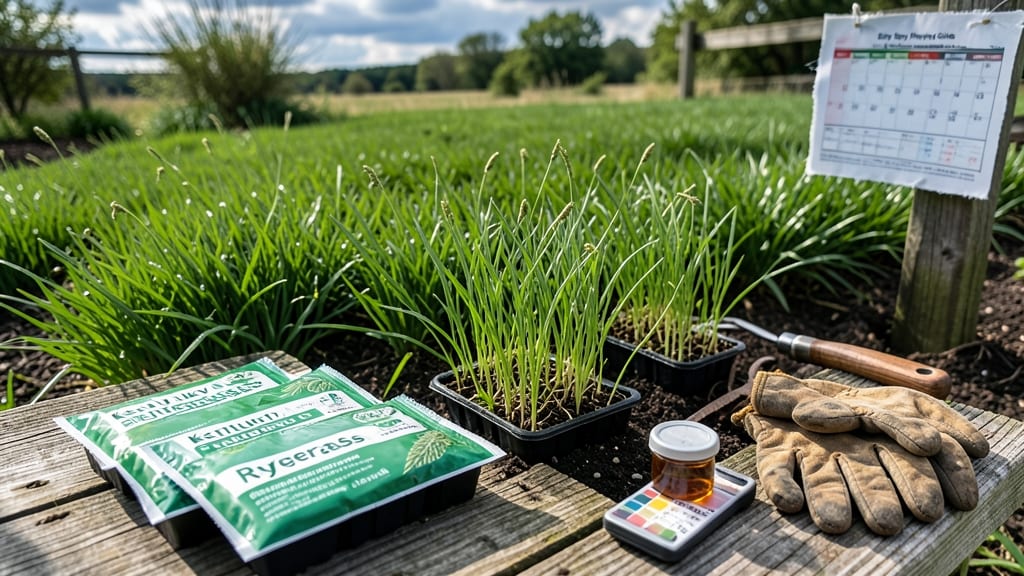
If you’ve ever wondered when is the best time to plant grass in Pennsylvania, timing could be the reason your lawn remains patchy and underwhelming.
Planting grass in the wrong season can lead to wasted seeds, slow growth, or even complete failure—especially with Pennsylvania’s unpredictable spring frosts and summer heat spikes.
The best time to plant grass in Pennsylvania hinges on two key factors: soil temperature and frost risk. Most experts agree that late April to early June (spring) and mid-August to early October (fall) offer the ideal conditions for germination, when soil stays consistently between 50°F and 65°F.
But here’s the catch—Pennsylvania’s climate varies wildly from the urban heat of Philadelphia to the cooler Appalachian foothills, so one-size-fits-all advice won’t cut it.
Whether you’re overseeding an existing lawn or starting fresh, nailing the planting window is the first step to a lush, green yard. I’ll break down the science behind Pennsylvania’s frost-free window, regional microclimates, and how to check your local conditions—so you can finally stop guessing and start growing.
Let’s dive into the exact timing, soil prep tips, and grass types that thrive in your corner of PA, ensuring your lawn gets off to the right start every time.
Pennsylvania grass planting seasons: soil temperature & frost-free window explained
Pennsylvania’s variable climate creates two perfect windows for planting grass: early spring and fall. These seasons align with soil warmth and frost risk, ensuring seeds germinate properly. The key is waiting until soil temperatures reach 50-65°F at 4 inches deep—this is when grass roots establish best.
Planting outside this range risks seed rot, slow growth, or even failure.
Spring planting should begin 4-6 weeks before your area’s last frost date (typically mid-April in most of PA). Fall planting works best 6-8 weeks before the first frost (usually late October).
Both windows give grass 6-8 weeks of ideal growing conditions before extreme heat or cold sets in. Using a soil thermometer is the surest way to confirm readiness—never guess!
Here’s why these seasons work best: Spring provides steady moisture and moderate temperatures, while fall offers cooler air and less weed competition. Both avoid the stress of summer heat or winter dormancy. Pennsylvania’s USDA zones 5b-7a mean regional variations exist, but these general rules apply statewide.
For example, Kentucky bluegrass and tall fescue thrive in Pennsylvania’s climate when planted in these windows. These cool-season grasses establish roots quickly in spring’s warming soils or fall’s cooling temperatures. Avoid planting during summer heat waves (above 75°F) or deep winter—seeds won’t survive these extremes.
To check local conditions, use tools like the Penn State Extension Lawn Calendar or the Old Farmer’s Almanac. These resources provide frost date averages and soil temperature forecasts for your ZIP code.
Pro tip: Bookmark your local National Weather Service page for real-time updates on heat advisories or early frost warnings.
One common mistake is planting too early in spring when soils are still cold or too late in fall when frosts arrive sooner than expected. Always verify your last frost date—Pittsburgh’s urban heat island may delay frost by a week compared to rural State College.
When in doubt, err on the side of planting later rather than risking seed loss.
Another critical factor is consistent moisture during germination. Seeds need to stay evenly damp (not soggy) for the first 2-3 weeks. Use a sprinkler with fine mist or peat moss mulch to retain humidity.
In Pennsylvania’s dry summers, this step is non-negotiable—even the hardiest grass varieties will fail without proper hydration.
Let’s break down the ideal conditions for each season in Pennsylvania:
| Season | Ideal Planting Months | Soil Temperature Range (°F) | Frost Risk | Best Grass Types for PA |
|---|---|---|---|---|
| Spring | Late April to early June | 50-65°F | Low after last frost (avg. mid-April) | Tall fescue, Kentucky bluegrass |
| Fall | Mid-August to early October | 50-65°F | Moderate (first frost avg. late October) | Perennial ryegrass, fine fescue |
Understanding these seasonal guidelines will help you avoid the most common grass-planting mistakes in Pennsylvania. For instance, perennial ryegrass germinates faster than Kentucky bluegrass, making it a great choice for late-spring or early-fall plantings when time is limited.
Meanwhile, tall fescue handles Pennsylvania’s summer heat better once established, but it needs that cool-season start to thrive.
If you’re overseeding an existing lawn, aim for late summer (August) to capitalize on fall’s ideal conditions. This timing gives new seeds 6-8 weeks to grow before winter dormancy. For new lawns, early spring (May) is ideal—just be prepared to water deeply as temperatures rise.
Either way, soil prep (testing pH, amending with compost) is just as critical as timing.
Remember: Pennsylvania’s microclimates can shift planting windows by 2-4 weeks. Urban areas like Philadelphia or Pittsburgh may experience earlier springs due to heat islands, while mountain regions near Scranton or State College stay cooler longer. Always check local frost data before committing to a planting date.
With the
Regional variations: best grass planting times by Pennsylvania zone
Pennsylvania’s diverse climate means the best time to plant grass varies dramatically depending on where you live. The state spans three distinct zones, each with unique frost patterns and soil warmth timelines.
Whether you're in the urban heat islands of Philadelphia or the cooler Appalachian foothills near Scranton, understanding your local microclimate is key to success.
In Southeast Pennsylvania, cities like Philadelphia and Reading experience earlier soil warmth, allowing grass planting as early as late April. Meanwhile, Central Pennsylvania areas like Harrisburg and Lancaster typically wait until early May to avoid late frosts.
The Northwest region, including Pittsburgh and Erie, often delays planting until mid-May due to cooler spring soils.
Here’s how Pennsylvania’s three regions break down for optimal planting windows:
| Region | Spring Planting Window | Fall Planting Window | Key Considerations |
|---|---|---|---|
| Southeast PA (Philadelphia, Reading) | Late April to early May | Late August to mid-September | Warmer microclimates; monitor for heat spikes after planting. |
| Central PA (Harrisburg, Lancaster) | Early May to mid-June | Mid-August to early October | Moderate climate; align with soil warmth (50°F+ at 4" depth). |
| Northwest PA (Erie, Pittsburgh) | Mid-May to early June | Early September to late September | Cooler soils delay spring; extend fall planting into October. |
Source: PA State University Extension climate data (2023)
For mountainous areas like the Poconos or near State College, expect even later planting times due to higher elevations and cooler temperatures. Always check your local frost dates using the PA State Climate Office or Almanac tools to fine-tune your schedule.
Pro tip: Use a soil thermometer to confirm readiness—50°F soil temperature at 4" depth is your green light. In urban areas, pavement can create "heat islands," warming soil faster than rural zones. Adjust your timing accordingly to avoid stressing young grass seedlings.
🌱