
Plants
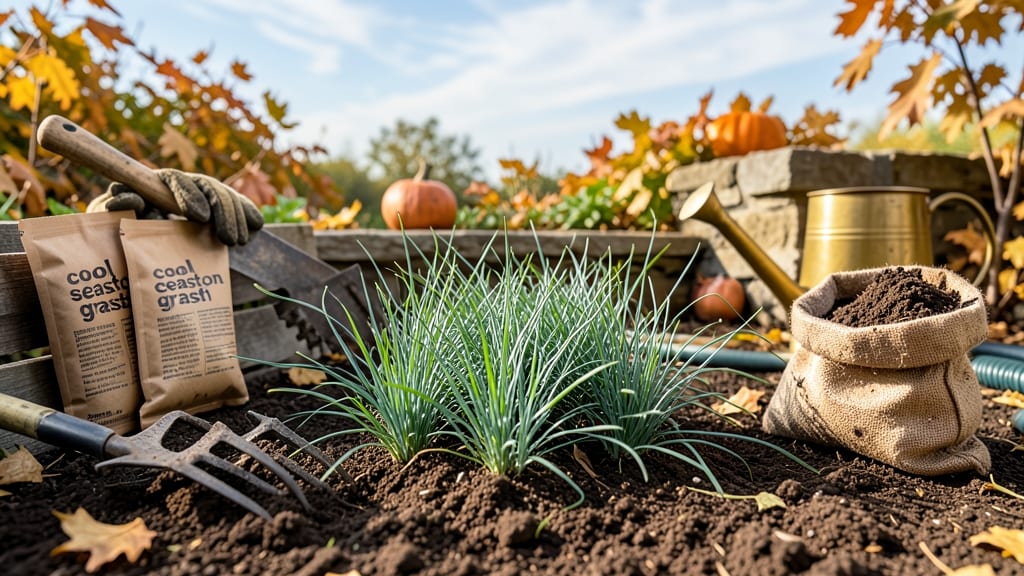
Timing your fall grass planting just right can mean the difference between lush 🌱 lawns next spring and patchy, weak growth—and the key is knowing your region’s exact window.
In Zone 6a, where frost typically arrives by mid-October, you’ve got a 4-6 week window to plant before the ground freezes, but getting it wrong can leave your grass struggling.
Why does timing matter so much? Cool fall temperatures help grass roots establish deeply before winter, while warmer soil speeds up germination. Planting too early risks weeds stealing your lawn’s nutrients, while waiting too late can leave roots vulnerable to frost.
I’ll break down the best fall planting deadlines for your area, plus how to prep your soil for success.
You might think "fall" is just one season, but the difference between September and November can be huge for your grass’s survival. We’ll cover how to read your local frost dates, adjust for unexpected weather, and avoid common mistakes that turn promising lawns into winter casualties.
Let’s get your grass off to the strongest start possible.
Ready to transform your lawn? I’ll walk you through the exact steps—from soil prep to seed selection—to ensure your grass thrives before the first frost hits. No more guesswork, just a greener, more resilient lawn by spring.
Optimal fall planting windows by US climate zones: when to plant for maximum root establishment
Fall is the perfect time to plant cool-season grasses because the soil stays warm while air temperatures drop. This balance gives seeds 4-6 weeks to establish roots before winter dormancy.
Missing this window risks weak growth or frost damage. Let’s break down the ideal planting dates by USDA climate zones to help you time it right.
Your local first frost date is the starting point. Planting 4-6 weeks before this date ensures your grass develops a strong root system before cold sets in. For example, in Zone 5, where frost typically arrives by October 15, aim for September 1-15.
In Zone 8, with frost around December 1, you have until October 15.
Soil temperature is just as critical as air temperature. Grass seeds need soil at least 50°F (10°C) for germination. Use a soil thermometer to confirm—if temps drop below this, wait a few days.
In northern zones (3-5), early September is ideal, while southern zones (7-10) can plant as late as November.
Here’s a quick reference for your zone—adjust based on your local frost history and soil conditions:
| USDA Zone | Ideal Planting Window | Soil Temp Threshold | Key Consideration |
|---|---|---|---|
| Zones 3-4 | Early September | 50-60°F (10-15°C) | Short growing season; prioritize early planting |
| Zones 5-6 | Mid-September to early October | 55-65°F (13-18°C) | Balanced window; avoid late October |
| Zones 7-8 | Late September to November | 60-70°F (15-21°C) | Longer window; monitor frost dates |
| Zones 9-10 | October to December | 65-75°F (18-24°C) | Mild winters; plant closer to frost |
If you’re in a transition zone (e.g., Zone 6b/7a), err on the earlier side.
For example, if your frost date is November 10, plant by October 1 to ensure roots establish before cold weather. Late fall planting (after October 15 in most zones) risks seeds sprouting too late, leaving them vulnerable to frost.
Another key factor is rainfall. Fall is typically wetter, but drought can still occur. If your area experiences dry spells, water seeds daily until germination (usually 7-14 days). Use a light mulch (like straw) to retain moisture without suffocating seeds.
For northern climates (Zones 3-5), focus on tall fescue or fine fescue, which tolerate cooler soils. In southern zones (7-10), ryegrass or Bermuda grass may perform better due to longer growing seasons. Always check the seed packet for zone-specific recommendations.
Pro tip: If you’re unsure about your frost date, check your local cooperative extension service or use a frost calendar app. These resources provide hyper-local data to fine-tune your planting schedule. For example, Michigan’s frost dates differ from Oregon’s even within the same zone.
Remember, the goal is root establishment, not rapid top growth. Grass planted in fall will spend winter dormant but rooted, ready to explode in spring when conditions warm up. This strategy often results in thicker, greener lawns compared to spring planting, which competes with weeds.
How to prepare your soil and seed for fall grass planting success
Fall grass planting thrives when your soil and seed are prepped perfectly. Cool temperatures and fewer weeds create ideal conditions, but skipping prep can leave your lawn struggling. Start by testing your soil pH—cool-season grasses like tall fescue and ryegrass prefer a range of 6.0 to 7.0.
If your soil is too acidic, amend it with lime 4-6 weeks before planting.
Next, focus on soil aeration. Compacted soil blocks root growth, so rent a core aerator or use a manual aerator fork to create ½-inch holes every 3-4 inches.
This step is critical for seed-to-soil contact and water absorption. After aerating, spread a 2-3 inch layer of compost over the area to boost nutrients and improve drainage.
Soil Prep Pitfalls
❌ Skipping aeration: Compacted soil suffocates roots, leading to patchy growth. Always aerate 2-4 weeks before planting for best results.
❌ Over-fertilizing: Too much nitrogen now can burn tender grass seedlings. Stick to a low-nitrogen starter fertilizer (10-0-10 ratio) at planting time.
❌ Ignoring weeds: Weeds compete for nutrients. Apply a pre-emergent herbicide 2 weeks before planting to prevent crabgrass and clover.
Choosing the right grass seed mix is just as important. For northern climates (Zones 3-6), opt for fine fescue or ryegrass, which handle cold well. Southern regions (Zones 7-10) benefit from tall fescue or bermuda grass blends.
Always check the seed packet for cool-season suitability—warm-season grasses (like zoysia) won’t thrive in fall planting.
Before sowing, rake the soil to create a smooth, seed-friendly surface. Scatter seeds evenly using a broadcast spreader or by hand, then lightly cover them with ¼ inch of soil or compost.
This thin layer protects seeds from drying out while allowing sunlight to reach them. Water immediately after planting to settle the seeds into the soil.
Post-planting care starts with consistent moisture. Keep the soil damp (not soggy) by watering lightly every day for the first 2 weeks. Once seedlings sprout, reduce to 2-3 times per week, watering deeply to encourage deep root growth.
Avoid walking on the lawn until the grass reaches 3-4 inches tall—this prevents seedling damage and compaction.
In the final weeks before winter, apply a light layer of mulch (straw or leaves) to insulate seeds and retain moisture. This step is especially vital in drought-prone areas or regions with freeze-thaw cycles.
By spring, your lawn will reward your prep work with a dense, vibrant carpet of grass.