
Trees
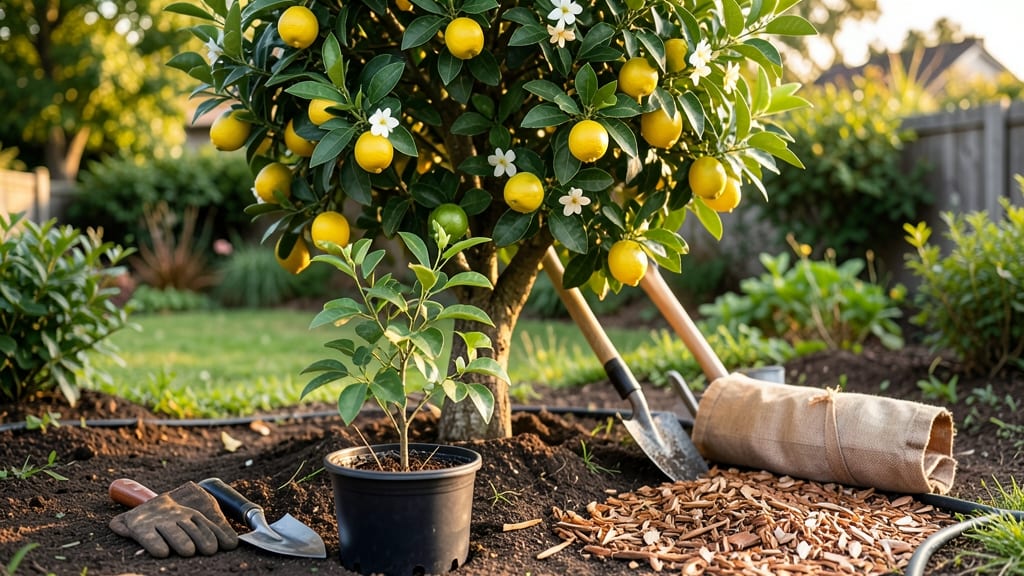
Planting a citrus tree 🍊 in Arizona at the wrong time could mean the difference between a thriving orchard and a sad, wilted investment. Unlike other plants, citrus thrives in our desert climate—but only when you follow the heat zone rules that keep roots happy and fruit production strong.
Most Arizona gardeners know the basics: avoid summer’s brutal heat and frost risks. But what you might not realize is that the best window for planting isn’t just about dodging the extremes—it’s about giving your tree the perfect start in Zone 9b’s unique microclimates.
Whether you’re in Phoenix or Flagstaff, timing matters more than you think.
In this guide, I’ll break down the exact months to plant your citrus tree for maximum success, plus pro tips to handle Arizona’s tricky soil and temperature swings.
You’ll learn how to pick the ideal planting window, prepare your soil, and protect young trees from unexpected frost—even in our supposedly mild winters.
Ready to grow citrus that actually bears fruit? Let’s get started with the heat zone secrets that’ll make your tree thrive year after year.
Best planting months for citrus trees in Arizona’s heat zones
Arizona’s diverse climate—from the frost-free low deserts of Phoenix to the cooler high deserts near Flagstaff—means one-size-fits-all planting advice won’t work. Citrus trees thrive in USDA Zones 9-11, but the optimal planting window shifts dramatically depending on your elevation and microclimate.
In low deserts (Zone 10-11), like Tucson or Yuma, you can plant year-round with minimal frost risk. However, in high deserts (Zone 9), like Prescott or Payson, timing becomes critical to avoid late-spring frosts that can kill young trees.
For most of Arizona, the ideal planting months are November through March, when soil temperatures are cool but not frozen, and the risk of extreme heat stress is low. This window allows roots to establish before the intense summer sun kicks in.
However, fall planting (October) is also viable in frost-free zones, giving trees a head start before winter rains. Avoid planting during peak summer (June-August), when temperatures often exceed 105°F, causing transplant shock.
Here’s how Arizona’s heat zones break down for citrus planting:
| Heat Zone | Elevation Range | Best Planting Window | Key Considerations |
|---|---|---|---|
| Zone 10-11 (Low Desert) | Below 2,000 ft (Phoenix, Tucson, Yuma) | Year-round (best: Nov-Mar) | Frost-free; prioritize soil moisture over temperature. |
| Zone 9 (High Desert) | 4,000–6,000 ft (Prescott, Flagstaff) | Nov–Feb (avoid late spring) | Risk of late frosts (March-April); use cold-hardy varieties. |
| Zone 9b (Transition) | 2,000–4,000 ft (Mesa, Sedona) | Oct–Mar (fall preferred) | Moderate frost risk; mulch heavily for winter protection. |
The soil temperature is just as critical as air temperature. Citrus roots struggle to establish in soil warmer than 85°F, which is common by May in low deserts.
Use a soil thermometer to confirm temperatures are below 75°F before planting. In high deserts, wait until soil temps drop below 65°F to avoid root rot from cold, wet conditions.
If you’re planting in containers, the rules relax slightly—you can plant up to April in low deserts since pots warm up faster. However, container-grown trees still need afternoon shade during the first 3 months to prevent leaf scorch.
For in-ground plantings, late winter (February) is my top recommendation: it balances cool soil, minimal pest activity, and enough time for roots to anchor before summer.
One common mistake Arizona gardeners make is planting citrus trees in early spring (March-April), assuming the frost risk has passed. But late frosts can still occur in high deserts, and young trees with shallow roots are vulnerable.
Always check your local Almanac frost dates—even Phoenix has seen 32°F dips in March. For extra safety, choose cold-hardy varieties like ‘Carrizo’ citrange or ‘Satsuma’ mandarin if you’re in Zone 9.
Pro tip: If you miss the ideal window, fall planting (October) is your next best bet. Trees planted in fall benefit from winter rains, which help establish deep roots before the next growing season. Just avoid planting after November 15, as cooler soil temps can slow root growth.
Finally, consider your water source. Arizona’s alkaline soil and limited organic matter mean newly planted citrus trees need consistent moisture for their first 6 months. Plan to water 2-3 times per week during the first month after planting, then taper to weekly deep waterings once roots are established.
Mulching with 3–4 inches of wood chips helps retain moisture and regulate soil temperature.
Timing your citrus planting right isn’t just about survival—it’s about setting your tree up for years of abundant fruit. With Arizona’s climate, patience and precision pay off in juicy oranges and zesty lemons that’ll make your neighbors jealous. 🍊
Best planting months for citrus trees in Arizona’s heat zones
Arizona’s diverse heat zones (USDA 9b-11) mean your citrus tree’s planting window depends on elevation and microclimate. The ideal window spans November through March, when soil temperatures stay cool and frost risks are minimal in most areas. This period gives roots time to establish before summer’s intense heat arrives.
In low desert regions like Phoenix or Tucson (Zone 10a), frost is rare, so you can plant as late as March. However, high desert areas (e.g., Flagstaff, Zone 7b) require earlier planting—aim for September to November to avoid winter frosts that can kill young trees.
Soil temperature is critical: roots struggle to grow when soil is below 60°F (15°C). Use a soil thermometer to confirm—wait until temps stabilize above this threshold before planting. In Arizona, this typically aligns with late November to February for most regions.
🌡️ Arizona Citrus Planting Guide by Heat Zone
| Heat Zone | Best Planting Months | Frost Risk | Soil Temp Goal |
|---|---|---|---|
| Low Desert (Phoenix/Tucson, Zone 10a) | November–March | Minimal (occasional Jan/Feb) | 60°F+ (15°C+) |
| Mid Desert (Mesa/Scottsdale, Zone 9b) | October–February | Light (Dec–Jan) | 60°F+ (15°C+) |
| High Desert (Flagstaff, Zone 7b) | September–November | High (Nov–Mar) | 55°F+ (13°C+) |
If you miss the optimal window, consider fall planting (September–October) for high-desert areas. The monsoon season’s residual moisture helps roots establish before winter. Avoid planting in summer—Arizona’s heat (105°F+) stresses young trees, leading to transplant shock or death.
Pro tip: Bare-root citrus trees (sold without soil) can handle cooler temps and are ideal for October–March planting. Container-grown trees offer more flexibility but need extra watering during their first summer in Arizona’s heat.
Monitor local frost forecasts—even low deserts can see 28°F (-2°C) dips. Use frost cloth or a greenhouse for young trees in Zone 9b during December–February. With the right timing, your citrus tree will thrive year-round in Arizona’s climate! 🌱