
Flowers
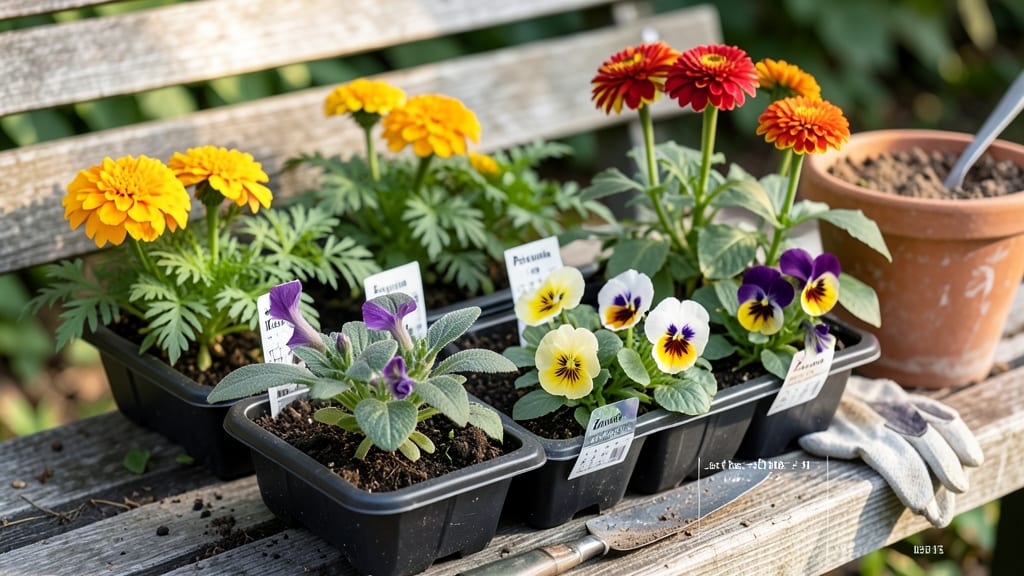
Timing when it is safe to plant flowers in Michigan isn't just about the calendar—it's about surviving those unpredictable late frosts that can turn your garden dreams into a sad, icy memory.
With USDA zones 5b-6b bringing everything from 50°F soil to sudden 30°F swings, knowing when to plant your 🌸 isn't guesswork—it's strategy.
I've watched too many Michigan gardeners rush their flowers into the ground only to have them crisped by a surprise frost. The key isn't just waiting for April 15—it's understanding how your specific zone's last frost averages (and those pesky microclimates near the Great Lakes) create your true planting window.
Let me show you how to read the signs and avoid common mistakes that waste your time and money.
What you'll discover is that some flowers thrive when planted early (like hardy pansies), while others need to wait until the soil warms to 50°F or later.
We'll break down exactly which flowers fit each window and how to adjust your schedule when Michigan's weather throws you a curveball. No more second-guessing—just confident planting.
Ready to transform your garden from "maybe next year" to "blooming beauty this season"? Let's dive into the zone-specific last frost dates and planting secrets that Michigan gardeners swear by—so you can finally enjoy those June-September blooms without the frost-induced heartbreak.
Michigan’s last frost dates by Zone: the exact timeline for safe flower planting
Michigan spans USDA Hardiness Zones 4-6, meaning frost dates vary dramatically from the Upper Peninsula to Detroit.
For safe flower planting, you must align with your zone’s average last frost date—typically between April 15 and May 15—but this shifts 1-2 weeks earlier in southern Michigan and 2-3 weeks later in the north.
My garden in Zone 6b (southeastern Michigan) usually hits 50°F soil temps by mid-April, but I’ve seen late frosts push planting back to May 1.
Perennials like coneflowers and black-eyed Susans can handle cooler soil, but annuals like marigolds and petunias need warmth. I always check the Michigan State University Extension frost calendar—it’s my go-to for zone-specific data.
For example, Traverse City (Zone 5b) has a last frost date of May 10, while Kalamazoo (Zone 6a) averages April 25.
Here’s the critical rule: Wait until nighttime temperatures stay above 40°F for 5 consecutive days. This ensures roots won’t shock when transplanted. I use a soil thermometer to confirm 50°F+ soil temps—cold soil slows germination and invites rot.
For bulbs like tulips, plant in fall (October-November) when soil temps drop below 60°F.
🌱 Michigan Last Frost Dates by Zone
| Zone | Avg. Last Frost | Safe Planting Window | Notes |
|---|---|---|---|
| 4a (UP) | May 15 | May 15–22 | Cold-hardy perennials only; use row covers. |
| 5a (Northern MI) | May 5 | May 5–12 | Wait for soil to warm to 50°F. |
| 5b (Central MI) | April 25 | April 25–May 2 | Ideal for pansies, snapdragons. |
| 6a (Southern MI) | April 15 | April 15–22 | Early zone; plant heat-lovers late. |
| 6b (SE MI) | April 10 | April 10–17 | Longest growing season; extend with fall planting. |
Source: NOAA & MSU Extension (2023 averages)
Pro tip: Use Michigan’s Frost-Free Date Calculator (available via MSU Extension) to input your ZIP code for hyper-local data. I’ve planted cosmos too early in Zone 6b only to watch them wilt in a late April frost.
Always err on the side of caution—two weeks late is better than one week early.
For fall planting, aim for 6–8 weeks before your first frost (typically August–September). Cool-season flowers like asters and chrysanthemums thrive when planted in late summer for autumn blooms. I’ve had success with pansies planted in early September—they bloom until snowfall!
Microclimates matter too. Gardens near Lake Michigan (like Muskegon) stay cooler longer, while inland areas (like Jackson) warm up faster. If you’re near water, add 10–14 days to frost dates. I’ve seen 5°F temperature swings in 24 hours—always have row covers ready for late-season protection.
Start seeds indoors 6–8 weeks before your last frost date to give them a head start. My petunia seedlings in Zone 6b hit the garden by May 1 after starting in March. For direct-sown flowers like sunflowers, wait until soil is 60°F+—they germinate best in warmth.
Remember: Frost dates are averages, not guarantees. I lost a $40 marigold
How to adjust your planting schedule for Michigan’s unpredictable weather patterns
Michigan’s weather can be as unpredictable as a toddler’s mood—one day it’s 60°F and sunny, the next it’s 32°F with frost warnings. If you’ve ever planted flowers only to watch them turn into frostbitten ice cubes, you’re not alone.
The key to success? Learning how to read the signs and adjust your planting timeline to match Michigan’s microclimates and sudden shifts.
Start by checking your local last frost date, but don’t stop there. Even if the average last frost in your area is May 15, a late frost in early June can still sneak up.
For example, Traverse City (Zone 5b) averages its last frost on May 10, but in 2020, it hit 28°F on May 28. That’s why I always wait until two weeks after the official date—or until the soil stays above 50°F for a full week.
Soil temperature matters more than air temperature. Use a soil thermometer to confirm it’s safe—most flowers need soil at least 50°F to thrive. If your soil is still chilly, opt for cold-hardy annuals like pansies or snapdragons, which can handle cooler temps better than marigolds or petunias.
For perennials, wait until the ground warms further, as they’re often more sensitive to late-season frosts.
🌡️ Warning: Lake-Effect Microclimates
If you live near the Great Lakes, your frost dates can differ by 1-2 weeks from inland areas. For example, Detroit (Zone 6a) might see its last frost on April 25, while Saugatuck, just 60 miles away, could still have frost on May 10.
Use local weather stations or Michigan State University’s frost maps to pinpoint your exact risks.
Another trick? Plant heat-loving flowers like lantana or zinnia in late May or early June if early spring is too risky. These varieties thrive in warmer soil and can handle the heat better than cool-season bloomers.
For bulbs, like tulips or daffodils, plant them in fall (October-November) to ensure they establish roots before winter.
Don’t forget about fall planting for late-season blooms! Many flowers, like pansies and calendulas, can handle light frosts and even overwinter in Michigan. Aim to plant these 6-8 weeks before your first frost (usually September 15-October 1) to give them time to root before the ground freezes.
Finally, keep an eye on the 10-day forecast and have a backup plan. If a late frost is predicted, cover delicate plants with frost cloth or move potted flowers to a sheltered spot. With these adjustments, you’ll beat Michigan’s weather—and enjoy blooms all season long! 🌷