
Flowers
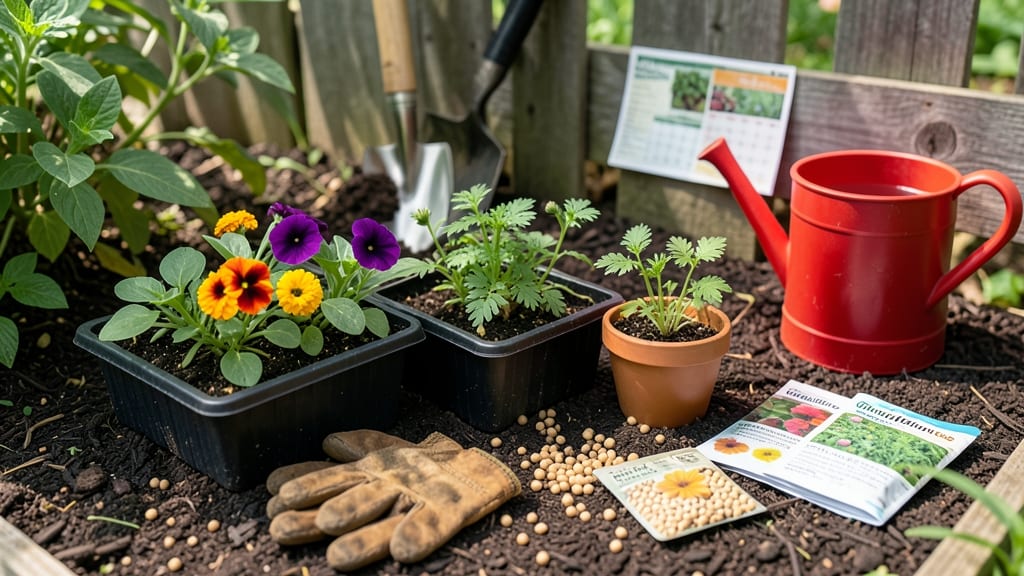
Timing your flowers planting in Ohio can make the difference between a vibrant garden and a sad, frost-nipped disappointment. With USDA Zone 6a bringing unpredictable spring weather, knowing exactly when to plant your 🌸 is the key to success.
Ohio’s last frost date typically lands around April 15, but that can shift dramatically depending on whether you're in northern or southern Ohio. Plant too early, and a late frost could wipe out your tender blooms before they even get started.
In this guide, I’ll break down the best planting windows for Ohio’s climate, so you can confidently start your annuals and perennials without worrying about frost damage. Whether you’re dreaming of spring pansies or fall mums, we’ll cover it all.
You’ll learn how to read Ohio’s microclimates, when to start seeds indoors, and which flowers thrive in each season. Let’s get your garden blooming beautifully—on schedule!
Ohio’s frost-free dates by region: when to plant flowers in zones 5b-6a
Ohio’s last frost dates vary dramatically from northern to southern regions, making timing critical for your flower garden. In USDA Zone 5b (north), like Cleveland, the average last frost is April 20-25, while Zone 6a (south), such as Cincinnati, sees frost-free conditions by April 10-15.
These dates shift yearly, so always check local forecasts before planting tender annuals.
For cool-season flowers like pansies or snapdragons, I start seeds indoors in March to transplant after the last frost. Warm-season favorites, such as zinnias or marigolds, need to wait until soil temperatures hit 60°F+, usually mid-May in most of Ohio. Perennials like coneflowers can handle earlier planting in early spring or fall, giving them time to establish roots.
🌸
Ohio Planting Timeline by Region
| Region | Last Frost Avg. | First Frost Avg. | Best Planting Window | Example Cities |
|---|---|---|---|---|
| Northern Ohio (Zone 5b) | April 20-25 | October 10-15 | May 1 - June 1 (annuals) March 15 - April 10 (perennials) |
Cleveland, Toledo, Akron |
| Central Ohio (Zone 5b-6a) | April 15-20 | October 15-20 | April 20 - May 15 (annuals) March 1 - April 15 (perennials) |
Columbus, Dayton, Mansfield |
| Southern Ohio (Zone 6a) | April 10-15 | October 20-25 | April 1 - May 10 (annuals) February 28 - April 1 (perennials) |
Cincinnati, Lexington, Chillicothe |
If you’re planting bulbs like tulips or daffodils, aim for fall planting (October-November) to ensure they bloom next spring. These hardy plants need 6-8 weeks of cold to trigger flowering, so don’t wait until winter!
For container gardens, you can push planting dates by 2-3 weeks since pots warm up faster in spring.
Microclimates matter too. Urban areas like Columbus often experience earlier frost-free dates due to the "heat island" effect, while rural farms in northern Ohio may see frost lingering until May 1.
Use a frost clock or local weather alerts to fine-tune your schedule. I always mark my calendar with the Ohio State University Extension’s frost date maps for extra accuracy.
For summer-blooming flowers, like sunflowers or cosmos, sow seeds directly into the garden after the last frost.
These heat-lovers thrive when soil temperatures exceed 65°F, so don’t rush—waiting a few weeks ensures stronger, healthier plants. Succession planting every 2 weeks keeps your garden in bloom all season long.
Ohio’s first frost typically arrives in October, but fall-planted flowers like asters or chrysanthemums can handle light frosts. These hardy annuals even brighten up your garden as temperatures drop. For perennials, I recommend planting in early fall (September) to give roots time to establish before winter dormancy.
Pro tip: Use row covers or cold frames to extend your planting season by 2-3 weeks in spring or fall. These simple tools protect tender plants from late frosts or early chills, letting you enjoy blooms earlier or later in the year.
Just remove covers once plants are established to avoid overheating.
🌿
Best flowers to plant by season in Ohio: matching blooms to Ohio’s climate
Ohio’s four distinct seasons create perfect opportunities for year-round blooms, but not all flowers thrive in the same season. In USDA Zone 6a, cool-season flowers like pansies and snapdragons love Ohio’s mild springs, while heat-tolerant coneflowers and black-eyed Susans shine in summer’s warmth.
For spring planting, focus on cool-hardy annuals like petunias and violas, which can handle light frosts. These blooms brighten gardens as early as April and often rebloom into early summer. Perennials like bearded iris and peony also love Ohio’s spring soil, establishing strong roots before summer’s heat arrives.
Summer is the time for heat-loving annuals such as marigolds, zinnias, and sunflowers. These sun-worshippers thrive in Ohio’s July and August heat, providing bold colors until the first frost. Perennial favorites like daylilies and coreopsis also peak in summer, offering low-maintenance beauty.
Fall is your chance to plant frost-resistant annuals like mums and asters, which bloom beautifully until Ohio’s first frost around mid-October. Bulbs like tulips and daffodils also love fall planting, as cool soil encourages strong root growth before winter.
For perennials, fall is ideal for dividing and transplanting established plants.
Ohio’s microclimates matter too—southern Ohio’s Zone 6a enjoys slightly warmer springs than northern Ohio’s Zone 5b. In warmer areas like Cincinnati, you can plant tender annuals like geraniums a week earlier than in Cleveland. Always check your local last frost date and adjust planting times accordingly.
To maximize your Ohio garden’s blooms, match each flower to its ideal season. Start with cool-season stars in spring, transition to summer sun-lovers, and end with fall frost-proofers. With this seasonal approach, your garden will stay vibrant from March through October—no frost-free gaps!