
Flowers
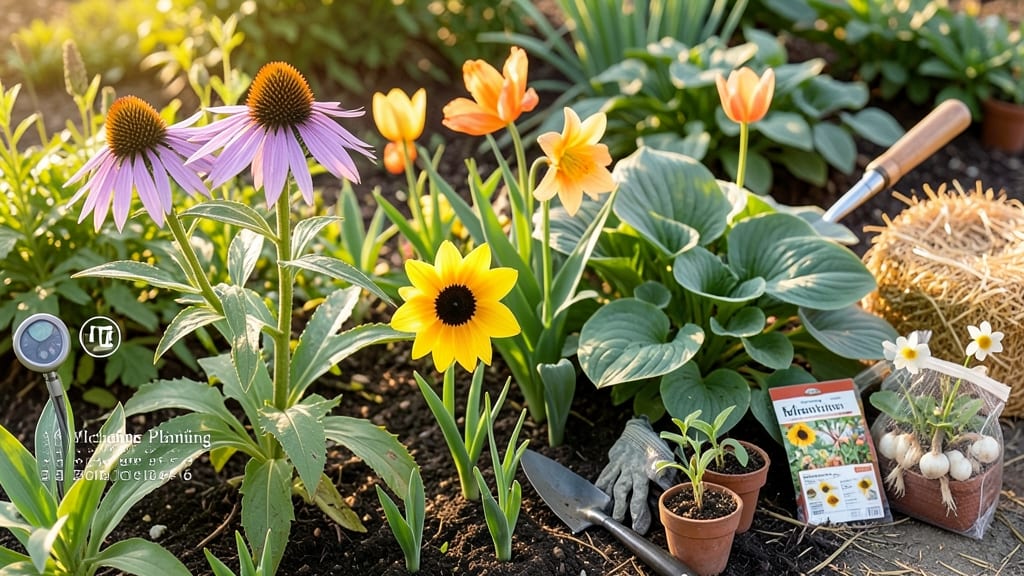
The best time to plant flowers in Michigan isn’t just about the calendar—it’s about beating frost, avoiding heat stress, and giving your 🌸 garden the fighting chance it deserves. With Zone 5b-6b’s unpredictable swings from late frosts to early freezes, one wrong move could mean wilting dreams before summer even begins.
Here’s the secret: most Michigan gardeners swear by two planting windows—spring (after mid-April’s last frost) and fall (4-6 weeks before the first frost in October). But timing isn’t one-size-fits-all. Annuals like petunias need warm soil, while hardy perennials like coneflowers can handle cooler temps if mulched right.
What if you miss the window? Don’t panic. I’ll show you how to stretch your planting season with cold frames, row covers, and smart flower choices that thrive outside the norm—because even Michigan’s short growing season can deliver a vibrant display with the right strategy.
Ready to turn your yard into a blooming paradise? Let’s dive into the exact dates, frost alerts, and pro tips that’ll have your garden looking like a postcard—no guesswork required.
Michigan flower planting calendar by month: frost dates and ideal windows
Michigan’s Zone 5b/6a climate demands precise timing for flower planting—miss the window, and you’ll either lose plants to frost or enjoy blooms too late in the season.
The average last frost date ranges from mid-April in southern Michigan to early May in the Upper Peninsula, while the first frost typically arrives between mid-October and early November. Planning around these dates ensures your garden thrives.
For annual flowers, the sweet spot is after the last frost when soil temperatures hit 50°F or warmer. Perennials and bulbs, however, have more flexibility—many can be planted in early spring or fall, with fall planting offering cooler soil and fewer weeds.
Let’s break down the best times for each month, including regional adjustments for Michigan’s diverse microclimates.
🌱 PRO TIP: Use row covers or cold frames to extend your planting season by 2-4 weeks in early spring or late fall. These tools protect tender plants from unexpected frost while keeping soil workable.
| Month | Last Frost Risk | Best Planting Time | Flowers to Plant | Soil Temp Goal |
|---|---|---|---|---|
| March | High (30-50%) | Start hardy perennials and bulbs (tulips, daffodils) | Peonies, bleeding heart, crocus | 40-45°F |
| April | Moderate (10-30%) | Plant cool-season annuals and perennials | Pansies, snapdragons, lupine | 45-50°F |
| May | Low (<10%) | Ideal for warm-season annuals and vegetative perennials | Marigolds, petunias, black-eyed Susan | 55-65°F |
| June | None | Succession plant heat-lovers and fill gaps | Zinnias, cosmos, sunflowers | 60°F+ |
| September | Low (10-20%) | Plant fall-blooming perennials and cool-season annuals | Asters, mums, pansies | 50-55°F |
| October | High (50-70%) | Last chance for hardy bulbs and spring perennials | Tulip bulbs, allium, snowdrops | 45°F+ |
*Regional adjustments: Upper Peninsula adds 1-2 weeks to frost dates.
In March, focus on early spring bloomers like crocus and hardy perennials such as peonies. These plants tolerate Michigan’s cool soil temperatures and even benefit from a light frost. Use mulch to insulate roots if late frosts threaten.
For annuals like pansies, wait until April when soil warms to 45°F—these cold-tolerant flowers will reward you with early color.
The May planting window is your best bet for warm-season annuals like marigolds and petun
How to adjust planting times for early bloomers vs. late-season flowers
Michigan’s short growing season demands creativity, especially when you want blooms from spring’s first thaw to fall’s crisp air. The key? Matching flower types to their ideal planting windows and using season-extending tricks to beat frost or heat.
Early bloomers like crocuses and daffodils need a head start in September-October, while late-season stars like mums and asters thrive when planted in late summer.
For early spring color, focus on cold-hardy annuals like pansies and snapdragons. These can handle light frosts and even bloom under snow cover in mild winters. Plant them in late summer (August) for fall-to-spring blooms, or start seeds indoors in March for a May-June display.
Late-season bloomers, however, need a different approach. Heat-tolerant annuals like zinnias and celosia should go in late May to early June, after the last frost. Succession planting—sowing seeds every 2-3 weeks—keeps the blooms coming until first frost.
For perennials, divide clumps in early spring to rejuvenate plants and encourage late-summer reblooming.
Cold-hardy annuals like pansies and violas can handle 28°F temps. Plant August-September for spring blooms or March-April for summer color.
Heat-loving annuals like zinnias and cosmos need warm soil (60°F+). Plant May-June and succession-sow every 2-3 weeks for continuous blooms.
Divide daylilies or coneflowers in March-April to boost late-summer blooms. Mulch heavily after dividing to protect roots.
Plant crocuses and daffodils in September-October for spring blooms. Add fall-blooming bulbs like colchicum in late summer.
Use floating row covers to protect tender annuals until May 15 or extend fall blooms until October 1. Remove during pollination for bees!
Don’t forget succession planting—it’s the secret weapon for non-stop color. For example, sow marigolds every 2 weeks from May to July to enjoy blooms until first frost. Pair this with self-seeding annuals like cosmos or bachelor’s buttons, which reseed themselves for next year’s garden.
Pro tip: Use Michigan’s frost-free date maps (like those from Michigan State University) to pinpoint your local last frost date. Adjust planting times by 1-2 weeks if you’re in the Upper Peninsula—it’s colder and has a shorter season.
With these strategies, your garden can bloom from March’s first crocus to October’s final chrysanthemum.
🌸