
Plants
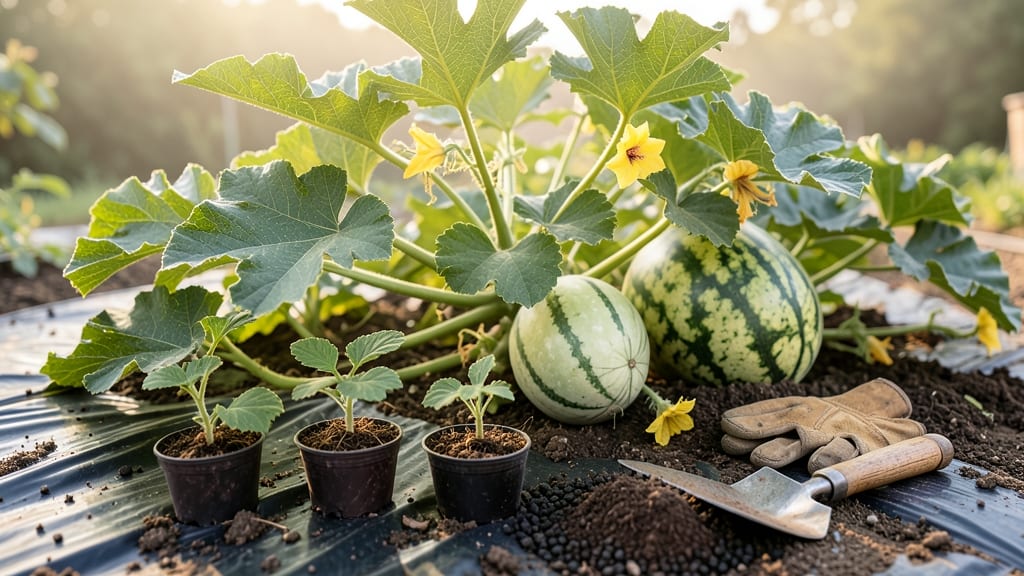
Planting watermelons in Alabama might seem straightforward, but getting the timing right is the key to a bountiful harvest. With USDA zones 7b-8a and a long growing season, you’ve got the perfect climate—but frost and soil temperature still dictate your success.
If you’ve ever wondered why some gardeners swear by early April planting while others wait until June, the answer lies in your specific region’s last frost date and soil warmth. Mid-April to early June is your sweet spot, but Northern Alabama’s cooler pockets may need a later start than Mobile’s balmy shores.
I’ll break down exactly when to plant—whether you’re direct-sowing seeds or transplanting seedlings—so you can avoid common mistakes like premature planting or missing the harvest window. Let’s make sure your 🍉 vines thrive from soil to table.
From checking soil temperatures to adjusting for heat-tolerant varieties, this guide gives you the precise timeline to maximize your Alabama watermelon crop. Ready to grow sweet, juicy melons all summer long?
Optimal Alabama watermelon planting dates by soil temperature & frost risk
Alabama’s diverse climate—from the humid Gulf Coast to the cooler Appalachian foothills—means your watermelon planting dates should align with your specific USDA zone (7b-8a). The key is waiting until both the soil temperature and air temperature consistently stay above 60°F (15°C), with nighttime temps above 55°F (13°C).
For most of Alabama, this window opens in mid-April to early May, but coastal areas like Mobile can start as early as late March.
Northern Alabama (e.g., Huntsville) has a shorter growing season, so focus on heat-tolerant varieties like 'Sugar Baby' or 'Crimson Sweet', which mature in 70-80 days. Southern regions (e.g., Mobile, Dothan) can handle longer-season varieties like 'Charleston Gray' or 'Jubilee', which take 85-95 days to harvest.
Always check your last frost date—typically March 15 in North Alabama and February 15 in South Alabama—and plant 2 weeks after.
🌱 Pro Tip: Use a soil thermometer to confirm temps. Watermelon seeds won’t germinate well below 65°F (18°C), and seedlings are frost-sensitive. If you’re in doubt, opt for transplants from a nursery, which are already hardened off and ready to grow.
| Region | Last Frost Date | Optimal Planting Window | Soil Temp Requirement | Recommended Varieties |
|---|---|---|---|---|
| North Alabama (Huntsville, Decatur) | March 15 | Mid-April to early May | 65-70°F (18-21°C) | Sugar Baby, Crimson Sweet, Bush Champion |
| Central Alabama (Birmingham, Montgomery) | March 1 | Late March to mid-April | 60-65°F (15-18°C) | Black Diamond, Golden Midget, Carolina Cross |
| South Alabama (Mobile, Dothan) | February 15 | Late February to early April | 55-60°F (13-15°C) | Charleston Gray, Jubilee, Triple Crown |
| Black Belt (Selma, Tuscaloosa) | February 28 | Early March to late March | 60-65°F (15-18°C) | Crimson Sweet, Calhoun Gray, Black Beauty |
For a second planting in late summer, aim for early July to harvest before the first frost (typically mid-November). Choose fast-maturing varieties like 'Early Red' (65 days) or 'Sugar Baby' (70 days) to ensure success. This approach extends your harvest season and maximizes your yield.
If you’re using row covers or black plastic mulch, you can plant up to 2 weeks earlier by warming the soil faster. Black plastic is especially useful in Alabama’s clay-heavy soils, which can stay cool and wet for longer.
Just remove the mulch once vines start spreading to prevent overheating.
Watch for cucumber beetles and squash vine borers, which are common in Alabama’s humid summers. Start seeds indoors in biodegradable pots 3-4 weeks before your target planting date to give seedlings a head start and reduce transplant shock. Harden them off for 7-10 days before moving outdoors.
🌡️ Critical Note: Avoid planting watermelons in low-lying areas where cold air pools. Even in Alabama, late spring frosts can sneak in, especially in valleys. Elevate beds or choose south-facing slopes for the fastest, most reliable growth.
Optimal Alabama watermelon planting dates by soil temperature & frost risk
Alabama’s diverse climate means planting dates vary dramatically between Northern (Huntsville) and Southern (Mobile) regions. For Huntsville (USDA Zone 7b), aim for mid-April to early May after soil warms to 70°F+, while Mobile gardeners can start as early as late March thanks to warmer coastal soils.
The key is waiting for consistent nighttime temps above 55°F to prevent frost damage.
Use a soil thermometer to confirm readiness—watermelon seeds need 60-65°F soil to germinate. In Birmingham, this typically aligns with April 15-30, but cooler springs may push planting to early June for late varieties.
Heat-tolerant varieties like 'Sugar Baby' or 'Crimson Sweet' handle Alabama’s summer heat better than traditional types.
| Region | Last Frost Date | Optimal Planting Window | Soil Temp Threshold | Heat-Tolerant Variety |
|---|---|---|---|---|
| Northern Alabama (Huntsville) | March 15-April 1 | Mid-April to early May | 70°F+ | 'Crimson Sweet' |
| Central Alabama (Birmingham) | March 20-April 5 | April 15-30 | 65°F+ | 'Sugar Baby' |
| Southern Alabama (Mobile) | March 1-April 15 | Late March to early May | 60°F+ | 'Charleston Gray' |
Alabama’s Black Belt region (rich, fertile soil) often allows earlier planting by 1-2 weeks, while mountainous areas near Chattahoochee may need to wait until late May. For container growing, use black plastic pots to warm soil faster and plant 2-3 weeks earlier than ground planting.
If you miss the spring window, late June is your second chance for short-season varieties like 'Black Diamond', which matures in 70-75 days. Just be prepared for smaller fruits if planted after July 15, as Alabama’s summer heat can stress plants.
Always mulch with straw or black plastic to maintain soil warmth and moisture.
Pro tip: Check the Alabama A&M Extension frost maps annually—they update last frost dates based on recent climate trends. For urban gardeners in Birmingham’s heat islands, planting dates can shift 1-2 weeks earlier due to microclimate effects.
Use row covers for early starts to protect seedlings from unpredictable late frosts.
Remember, direct sowing is best for watermelons—they hate transplant shock. If starting indoors, move seedlings outside after all frost risk and harden off for 10-14 days to acclimate. The earlier you plant, the longer your harvest window—aim for July-August peak season in Alabama.