
Plants
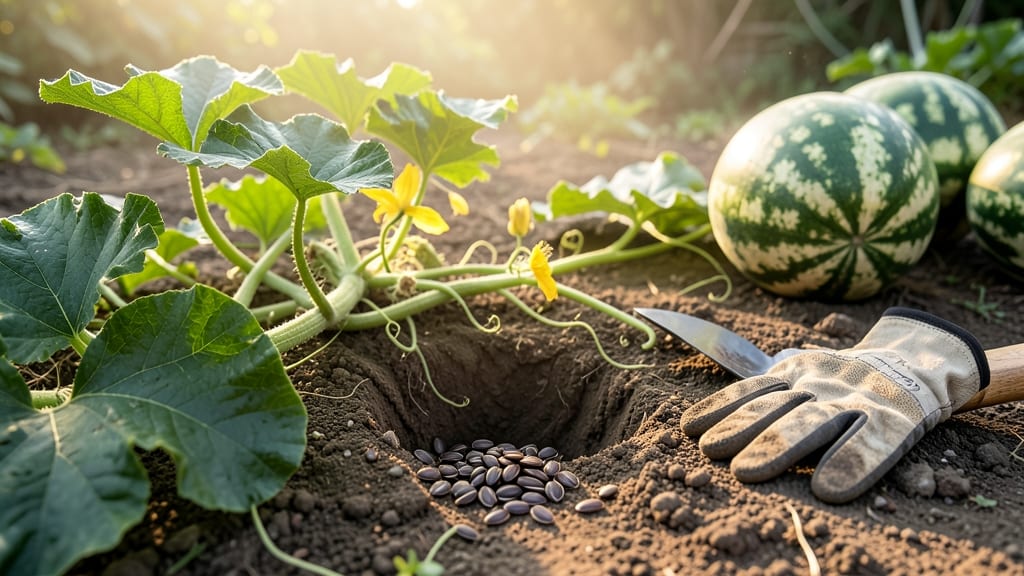
If you’ve ever wondered when to plant watermelon seeds in CA, the answer isn’t one-size-fits-all—because California’s climate zones range from coastal chill to desert heat. 🍉 Too early, and tender seedlings won’t survive; too late, and your harvest might never ripen.
The key? Timing it right for your specific region to ensure fast, healthy growth.
Most California gardeners plant watermelon seeds between February and April, but coastal areas (like Zone 10) can start as early as January, while inland desert regions may wait until March or April.
The goal? Get those seeds in the ground when soil temperatures hit at least 60°F—that’s the sweet spot for germination and strong vines.
What makes this tricky is California’s microclimates. Coastal fog can delay planting, while Central Valley heat speeds things up. We’ll break down the best months for each zone so you can avoid common mistakes and maximize your yield—whether you’re in foggy San Francisco or the sunbaked Imperial Valley.
Ready to grow juicy, homegrown watermelons? Let’s dive into the exact planting schedule for your area, plus pro tips to keep your vines thriving from seed to harvest. Your summer snacks are about to get a whole lot sweeter!
Best watermelon planting months in California by climate Zone
California’s microclimates create dramatic differences in watermelon success. While coastal areas like San Francisco can plant as early as February, inland deserts like Palm Springs wait until April to avoid heat stress. The key factor? Soil temperature—watermelon seeds need 60°F+ to germinate, and vines thrive with 70°F+ soil.
Most of California experiences frost-free winters, but high-elevation zones (like the Sierra Foothills) may see late spring frosts. Always check your USDA Zone (California spans Zones 7-11) and local frost dates.
For example, Sacramento (Zone 9) can plant in March, while Los Angeles (Zone 10) has a longer window from February to April.
| Climate Zone | Ideal Planting Months | Soil Temp Requirement | Key Considerations |
|---|---|---|---|
| Coastal (San Francisco, Santa Barbara) | February - March | 60°F+ (cooler nights) | Fog delays growth; use row covers |
| Central Valley (Sacramento, Fresno) | March - Early April | 70°F+ (warmer soil) | Perfect balance of sun/water |
| Desert (Palm Springs, Death Valley) | April - May | 80°F+ (heat-tolerant varieties) | Shade cloth essential; drip irrigation |
| Sierra Foothills (Chico, Redding) | Late April - May | 65°F+ (warmer microclimates) | Late frosts possible; wait for soil warmth |
For coastal gardeners, I recommend starting seeds indoors in January and transplanting after the last frost (usually mid-February). Inland areas can direct-sow seeds 2-3 weeks after your last frost date, typically March 15-April 15.
Use a soil thermometer—if readings dip below 60°F, wait 1-2 weeks.
Pro tip: Central Valley gardeners have the easiest time—plant in March for a June harvest. The region’s long, hot summers and fertile soil create ideal conditions. Just ensure your vines have 6+ hours of sun daily and well-draining soil to prevent rot.
Desert gardeners face unique challenges. April planting avoids the 100°F+ soil of early spring, but you’ll need shade cloth (30-50%) to protect young plants. Choose heat-tolerant varieties like 'Sugar Baby' or 'Crimson Sweet'—they mature faster in extreme heat. Drip irrigation is a must to prevent blossom drop from temperature swings.
If you’re in the Sierra Foothills, monitor nighttime temperatures. Vines struggle below 55°F, so wait until May if early springs are chilly. Elevation plays a big role—Chico (2,500 ft) may need 2 weeks later than Redding (800 ft).
Test your soil’s drainage—poor drainage in these areas leads to root rot.
For container growing (common in urban CA), use 5-gallon pots and plant in April after soil warms. Containers heat up faster, so water daily and use lightweight potting mix.
Place pots in full sun and move them if afternoon shade becomes available—this extends the harvest window by 2-3 weeks.
Remember: Watermelons need space. Vines spread 10-20 feet, so allocate 100+ square feet per plant or use trellises for
How to extend your California watermelon season with smart techniques
California’s microclimates can be tricky—coastal areas stay cool longer, while inland zones heat up fast. But with the right tricks, you can extend your watermelon season by weeks or even months. The key? Protecting seedlings and choosing the right varieties for your zone.
If you’re in coastal regions like San Francisco or Santa Barbara, cold frames or row covers can push your planting window back by 4-6 weeks. For desert areas like the Coachella Valley, shade cloth and succession planting help beat the heat.
Start with heat-tolerant varieties like 'Sugar Baby' or 'Crimson Sweet'—they thrive in 90°F+ temperatures and mature faster. Pair them with black plastic mulch to warm the soil and drip irrigation to keep roots cool.
🔹 Pro Tip: Test soil temps with a soil thermometer—watermelons need 70°F+ to germinate. If it’s cooler, wait or use a seedling heat mat.
Extend coastal planting by 4-6 weeks with lightweight floating row covers. Remove when flowers appear to allow bee pollination.
Plant every 2 weeks from March to June in desert areas. Use shade cloth (30%) to protect young vines from heat stress.
Choose 60-70 day varieties like 'Black Diamond' for early harvests. They thrive in short growing seasons and hot climates alike.
For urban gardeners with limited space, container growing works—just use 5-gallon pots and trellis vines to save space. And if you’re near large bodies of water, watch for late spring frosts—they’re rare but possible.
Finally, prune aggressively to focus energy on fruit development rather than excess vines. Remove sucker leaves and weak stems to improve air circulation and reduce disease risk.
With these techniques, you can enjoy homegrown watermelons from early June to late September—no matter where you garden in California! 🍉