
Planting
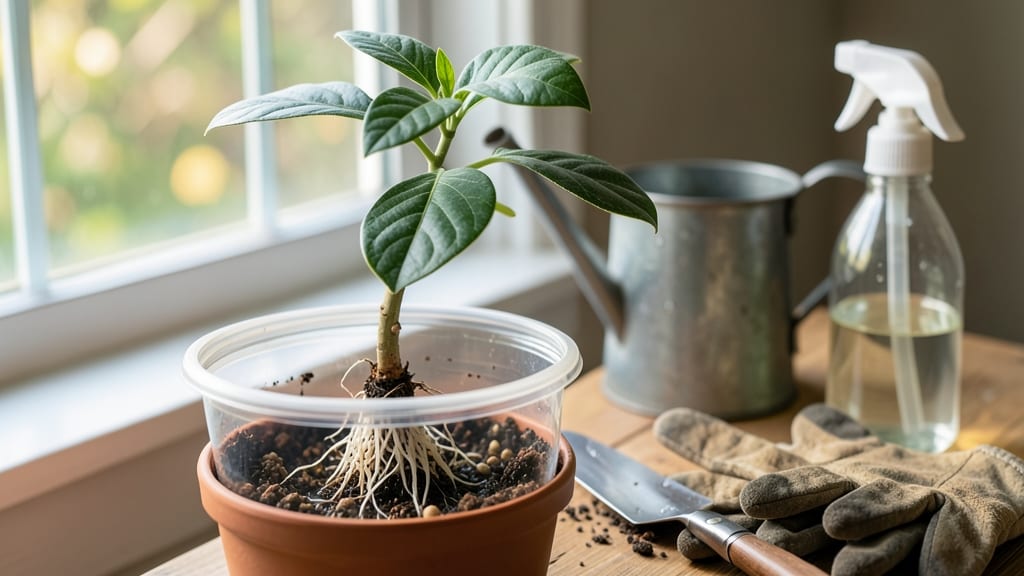
When should I put my avocado plant in soil? Timing your avocado plant’s move can make the difference between a thriving seedling and a struggling one—get it wrong, and you risk stunted growth or even failure. If you’ve been watching those little roots peek out from your water glass, you’re probably eager to plant, but rushing too soon can shock your young sprout. The key is knowing when your avocado 🥑 has developed enough strength to handle soil without stress.
Most gardeners wait until their avocado seed has sprouted a 2- to 3-inch root and a small stem with a few leaves—this usually takes 4 to 8 weeks depending on warmth and humidity.
But here’s the catch: even with strong roots, transplanting too early can lead to root damage or fungal issues. The best time to transfer your seedling is when it’s ready to handle the shift from water to soil, which often aligns with spring planting windows in most climates.
In USDA Zone 6a, aim for late April or early May after the last frost—this gives your avocado the warm soil and stable conditions it needs to thrive.
Whether you’re growing indoors by a sunny window or outdoors in your garden, proper preparation (like well-draining soil and a cozy pot) will help your seedling adjust smoothly. Let’s break down the exact signs to watch for and how to make the transition fast and foolproof.
You’ll also discover how to avoid common pitfalls like yellowing leaves or slow growth, plus pro tips to give your avocado a head start in its new home. By the end, you’ll know exactly when to plant—and how to set your seedling up for success from day one.
Key signs your avocado seed is ready for soil (not too soon, not too late)
Timing your avocado seed's transition to soil is everything—plant too early, and you risk root rot from overwatering; wait too long, and your seedling may struggle to adapt.
The ideal stage is when your avocado shows 2-3 healthy leaves and a 1-2 inch stem, signaling it’s strong enough to handle soil nutrients. Most seeds reach this milestone in 8-12 weeks, but this varies based on temperature and humidity in your home.
Before you transplant, check for these three critical signs your seedling is ready: a thickened stem (about pencil-sized), white fibrous roots peeking from your container, and leaves that don’t wilt when touched. Skipping these checks often leads to transplant shock, where leaves yellow or drop within days.
I once transplanted too soon and spent three weeks nursing my seedling back to health—don’t make my mistake!
Another key indicator is the root-to-leaf ratio. Your seedling should have roots that are at least half the length of its stem before soil planting. For example, if your stem is 2 inches tall, aim for 1-inch roots.
This balance ensures your plant can absorb water and nutrients efficiently from soil. Use a clear container to monitor root growth without disturbing the seed.
| Germination Stage | Key Features | Soil-Ready? |
|---|---|---|
| Sprout Emerges | Small stem, no leaves, roots <1 inch | ❌ Not ready |
| First Leaves | 1-2 leaves, stem <1 inch, roots <0.5 inch | ❌ Not ready |
| 2-3 Leaves | Stem 1-2 inches, roots 1 inch, leaves dark green | ✅ Ready! |
| 4+ Leaves | Stem >2 inches, roots >1.5 inches, thick stem | ✅ Optimal stage |
🌱 Pro Tip: If your seedling has 4+ leaves, it’s past the ideal window but can still adapt with extra care!
Climate plays a huge role in timing. In warmer zones (USDA 9-11), avocado seedlings may be ready for soil in as little as 6 weeks, while cooler climates (USDA 7-8) might need 14+ weeks.
I once grew a seedling in Zone 7 and had to wait until late May—after the last frost—to avoid cold damage. Always check your local frost dates and aim to transplant 2-3 weeks before your first warm spell.
One of the biggest mistakes I see is ignoring root health. Healthy roots should be white or light tan, not brown or mushy. Brown roots signal rot, often caused by overwatering or poor drainage in the germination stage.
If you spot this, rinse the roots gently with lukewarm water and let them dry for 30 minutes before replanting. This simple step saved my first avocado seedling from a fatal fungal infection—don’t skip it!
Finally, light exposure affects readiness. Place your seedling near a south-facing window or under grow lights for 12+ hours daily to strengthen its stem. Weak stems (under 0.5 inches) are prone to snapping during transplant.
I use a small LED grow light on a timer for seedlings that don’t get enough natural light—it makes a world of difference in their resilience.
When your avocado seedling meets these criteria, it’s time to transition it to soil. The next step is preparing the perfect environment—well-draining soil, the right pot size, and minimal stress during the move. Let’s dive into the step-by-step guide to ensure your seedling thrives in its new home.
Key signs your avocado seed is ready for soil (not too soon, not too late)
Timing your avocado seed's transition to soil is crucial—plant too early, and you risk root rot from overwatering; wait too long, and your sprout may struggle to adapt.
The ideal stage is when your seedling shows 2-3 healthy leaves and a 1-2 inch stem, signaling it’s strong enough to handle soil nutrients and moisture fluctuations.
I’ve found that most seeds hit this milestone in 8-12 weeks, but this varies based on temperature and humidity levels in your home.
Before you rush to repot, check for these three critical signs your avocado seedling is ready: a thickened stem (about pencil-sized), white fibrous roots peeking from the bottom of your glass or container, and leaves that aren’t wilting when touched.
Skipping these checks often leads to transplant shock, where leaves yellow or drop within days. I once transplanted a seedling too soon, and it took three weeks to recover—don’t make my mistake!
Another key indicator is the root-to-leaf ratio. Your seedling should have roots that are at least half the length of its stem before soil planting. For example, if your stem is 2 inches tall, aim for 1-inch roots.
This balance ensures your plant can absorb water and nutrients efficiently from soil instead of relying on water alone. Use a clear container to monitor root growth without disturbing the seed.
| Germination Stage | Key Features | Soil-Ready? |
|---|---|---|
| Sprout Emerges | Small stem, no leaves, roots <1 inch | ❌ Not ready |
| First Leaves | 1-2 leaves, stem <1 inch, roots <0.5 inch | ❌ Not ready |
| 2-3 Leaves | Stem 1-2 inches, roots 1 inch, leaves dark green | ✅ Ready! |
| 4+ Leaves | Stem >2 inches, roots >1.5 inches, thick stem | ✅ Optimal stage |
🌱 Pro Tip: If your seedling has 4+ leaves, it’s past the ideal window but can still adapt with extra care!
Climate plays a huge role in timing. In warmer zones (USDA 9-11), avocado seedlings may be ready for soil in as little as 6 weeks, while cooler climates (USDA 7-8) might need 14+ weeks.
I once grew a seedling in Zone 7 and had to wait until late May—after the last frost—to avoid cold damage. Always check your local frost dates and aim to transplant 2-3 weeks before your first warm spell to give your plant time to establish roots.
One of the biggest mistakes I see is ignoring root health. Healthy roots should be white or light tan, not brown or mushy. Brown roots signal rot, often caused by overwatering or poor drainage in the germination stage.
If you spot this, rinse the roots gently with lukewarm water and let them dry for 30 minutes before replanting. This simple step saved my first avocado seedling from a fatal fungal infection—don’t skip it!
Finally, light exposure affects readiness. Place your seedling near a south-facing window or under grow lights for 12+ hours daily to strengthen its stem. Weak stems (under 0.5 inches) are prone to snapping during transplant.
I use a small LED grow light on a timer for seedlings that don’t get enough natural light—it makes a world of difference in their resilience.