
Plants
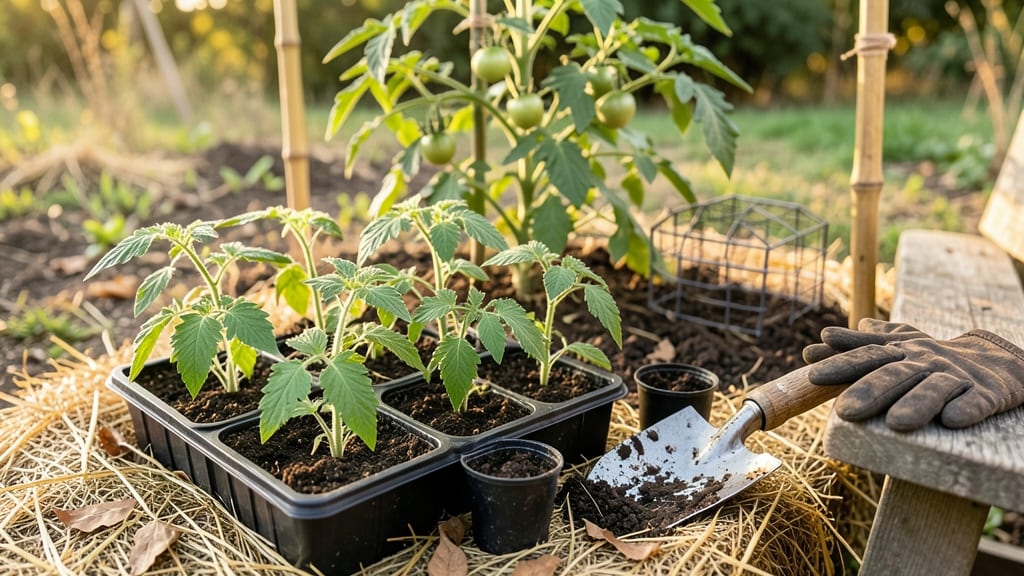
Planting tomatoes in Pennsylvania isn’t just about the calendar—it’s about catching that sweet spot between frost and peak growing season.
The right timing means the difference between a bountiful harvest of juicy 🍅 and wilted disappointment, especially when your last frost can swing from mid-April in Pittsburgh to early May in the Poconos.
If you’ve ever stared at your seed packets wondering, "Why does my neighbor’s tomatoes thrive while mine struggle?" the answer likely lies in soil temperature and microclimates. Pennsylvania’s diverse zones—from the humid southeast to the cooler northeast—demand flexibility.
Let’s break down the exact windows you need to know, whether you’re starting seeds indoors or transplanting seedlings outdoors.
You’ll discover how to read your local frost dates, when to harden off seedlings, and even how to stretch your growing season with simple tricks. By the end, you’ll have a foolproof plan tailored to your corner of the state—because in Pennsylvania, timing isn’t just important; it’s everything.
Ready to turn your garden into a tomato powerhouse? Let’s get started with the critical deadlines that separate gardeners from growers.
Pennsylvania tomato planting deadlines by last frost date (zones 4-7)
Pennsylvania spans USDA Hardiness Zones 4-7, meaning your last frost date can vary by 2-3 weeks from the Poconos to Philadelphia. For tomatoes, this translates to planting windows that shift from late April in Zone 7 to early June in Zone 4.
The key is aligning your planting with soil temperatures of 60°F (15°C)—cold soil stunts roots, while warm soil kickstarts growth.
Most Pennsylvania gardeners rely on historical NOAA frost data, but urban areas like Pittsburgh often experience earlier last frosts than rural farms. Check your local microclimate—valleys and low-lying areas freeze later than hilltops.
For example, State College (Zone 6a) averages its last frost on April 28, while Erie (Zone 6b) sees frost-free skies by May 5.
Here’s how to calculate your personalized planting window:
- Find your average last frost date (use NOAA’s Local Climate Data or a frost calendar app).
- Add 2-4 weeks to that date for direct-sown tomatoes (soil must be workable and warm).
- For transplants, wait until 10-14 days after your last frost date to avoid shock.
If you’re starting seedlings indoors, begin 6-8 weeks before your last frost date. For Zone 4, that means March 15–April 1, while Zone 7 gardeners can start as early as February 15. Use grow lights to prevent leggy seedlings—tomatoes need 12+ hours of light daily.
For container gardening, warm soil is critical. Black plastic pots or heat mats can help you plant 2-3 weeks earlier than in-ground gardens. Place containers in south-facing spots and use thermometers to monitor soil temps—aim for 60°F (15°C) at a 2-inch depth.
Pro tip: Succession plant every 2 weeks after your initial sowing for a continuous harvest. In Zone 6, this means May 1, May 15, and June 1 plantings. Late varieties like ‘Celebrity’ or ‘Better Boy’ thrive with this method, giving you tomatoes from July through October.
Watch for false springs—Pennsylvania’s weather can swing wildly. If nighttime temps drop below 50°F (10°C) after planting, cover seedlings with frost cloth or move containers to a sheltered spot. Cold snaps in May are common, especially in Zone 4-5.
Remember: Tomatoes hate cold feet. Even if daytime temps are warm, chilly nights can stunt growth. Use mulch (straw or black plastic) to insulate soil and retain heat. In Zone 4, this can push your planting window 10 days earlier.
How to extend your Pennsylvania tomato season: cold frames, row covers & succession planting
Pennsylvania’s short growing season (only about 165 frost-free days) can feel like a race against time for tomato lovers. But with the right techniques, you can push your harvest by 2-4 weeks—meaning more tomatoes for your table!
If you’re in Zone 4 (northwest PA), where last frosts can linger until May 15, cold frames and row covers are your best friends.
For Zone 7 (southwest PA), where first frosts arrive by October 15, succession planting lets you squeeze in a second crop for fall harvests.
Here’s how to extend your tomato season in Pennsylvania, whether you’re a beginner gardener or a seasoned pro:
🌱 Step-by-Step Guide to Extending Your Tomato Season
-
📅 Step 1: Start Indoors (Late Winter)
Kick off your season by sowing seeds indoors 6-8 weeks before your last frost date. Use a heat mat to keep soil at 70-80°F for faster germination. -
❄️ Step 2: Use Cold Frames (Zone 4-5)
For earlier planting, set up a cold frame 2-3 weeks before last frost. Tomatoes thrive at 50°F nights—cold frames add 5-10°F protection and warm soil faster. -
🛡️ Step 3: Row Covers for Late Planting
If planting after May 15, use floating row covers to shield seedlings from late frosts and cold snaps. Remove covers when flowers appear to allow pollination. -
🌿 Step 4: Succession Planting (Zones 6-7)
Plant a second crop 4-6 weeks before your first frost (early August). Choose fast-maturing varieties like ‘Early Girl’ (55 days) or ‘Stupice’ (60 days) for fall harvests. -
☀️ Step 5: Maximize Sunlight
Place plants in the sunniest spot possible—south-facing windows or raised beds warm up faster. Use black plastic mulch to raise soil temps by 5-10°F.
⏰ Pro Tip: Combine row covers with drip irrigation to keep plants hydrated without wetting leaves (reduces disease risk).
Don’t let Pennsylvania’s cool springs or early frosts limit your tomato harvest. With these techniques, you can grow tomatoes from May to October—even in the Poconos or Erie!
For Zone 4 growers, cold frames and early starts are your best bet, while Zone 7 gardeners can enjoy two harvests per year. The key? Monitor weather forecasts and adjust your timeline accordingly.
Ready to grow more tomatoes? Start planning your extended-season strategy today—your taste buds will thank you at harvest time! 🍅