
Plants
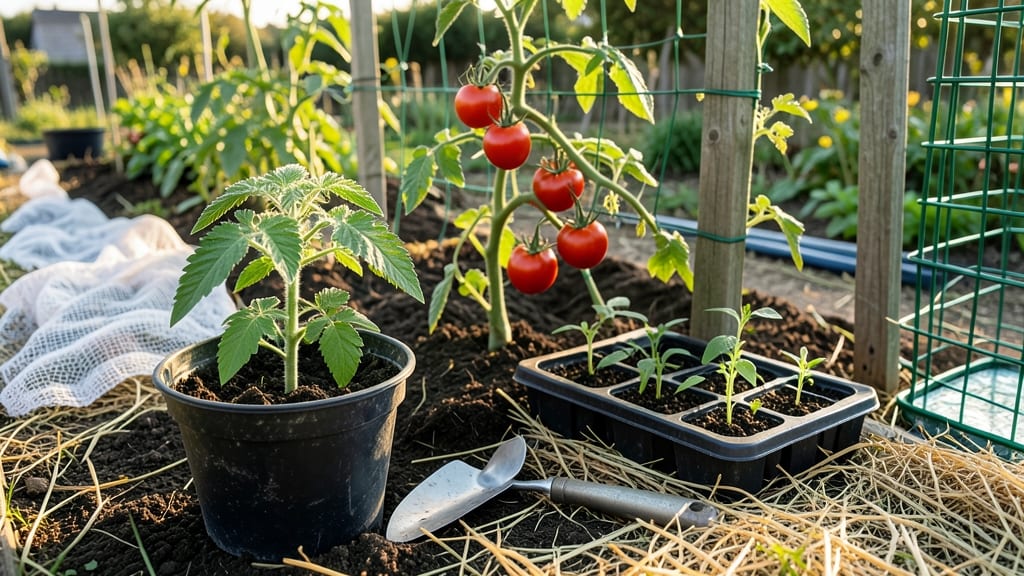
If you're dreaming of juicy 🍅 tomatoes and wondering when you can plant tomatoes in Massachusetts, timing is the key to success. Planting too early risks frost damage, while waiting too long might cut your harvest short—neither scenario ends with that perfect summer meal you're craving.
For gardeners in USDA Zone 6a, the sweet spot is between mid-April and early June, but don't just guess—soil temperature matters just as much as the calendar.
When the ground warms to at least 60°F and the last frost date (usually around May 15) has passed, it's time to get those seeds or seedlings in the ground.
Whether you're starting from seeds indoors or buying transplants, this guide will help you navigate Massachusetts' unpredictable spring weather. I'll show you how to extend your growing season, avoid common mistakes, and maximize your harvest from July to October—so you can enjoy homegrown tomatoes all summer long.
Ready to turn your garden into a tomato paradise? Let's dive into the exact steps you need to follow for a thriving 🍅 tomato crop that'll make your neighbors jealous.
Massachusetts frost-free dates & soil temperature guidelines for planting tomatoes
Massachusetts gardeners know timing is everything for successful tomato growing. The last frost date varies across the state, with Boston typically seeing frost-free conditions by May 15, while Springfield warms up slightly earlier (mid-May).
Coastal areas like Cape Cod may experience frost until May 22 or later due to ocean breezes. Always check your local USDA zone (5b-6b) for precise guidance.
Beyond frost dates, soil temperature is your true planting guide. Tomatoes thrive when soil reaches at least 60°F. Use a soil thermometer to confirm—cold soil delays germination and stunts growth.
In Western MA, soil often hits this mark by late April to early May, while Eastern MA may need to wait until mid-May.
Microclimates play a huge role too. A south-facing slope warms faster than a north-facing garden bed. Urban areas with heat islands may be ready 1-2 weeks earlier than rural spots. For exact local data, consult the Massachusetts Horticultural Society's frost maps or use the Almanac's Frost Calculator.
Here’s how to verify your planting window:
| Region | Avg. Last Frost | Soil 60°F Date | Planting Window |
|---|---|---|---|
| Boston & Eastern MA | May 15 | Mid-May | Late May |
| Springfield & Western MA | May 10 | Early May | Early-Mid May |
| Cape Cod & Islands | May 22 | Late May | Early June |
| Valley (Pittsfield, etc.) | May 5 | Late April | Late April-Early May |
If you’re eager to get a head start, indoor seed starting is your best bet. Begin seeds 6-8 weeks before your last frost date under grow lights.
For Boston gardeners, that means mid-March starts, while Cape Cod growers should wait until early April. Harden off seedlings for 1-2 weeks before transplanting outdoors.
For outdoor planting, black plastic mulch can warm soil by 5-10°F, helping you plant 1-2 weeks earlier. Lay it down 2-3 weeks before transplanting to maximize heat absorption. Pair this with row covers for extra frost protection if needed.
Never rush planting! Tomatoes planted in 50°F soil or cooler struggle to establish roots and often bolt to flower too quickly, reducing fruit yield. Wait for consistent 60°F+ soil temps—your plants will thank you with stronger vines and heavier fruit sets.
Pro tip: Plant fast-maturing varieties like 'Early Girl' or 'Stupice' if you’re in a cooler microclimate. These hit 60-70 days to harvest, giving you a better chance of a full season harvest before first frost in October.
🌱
Best planting methods for Massachusetts growers: transplants vs seeds & extending the season
Massachusetts gardeners have two main options for growing tomatoes: starting from seeds indoors or buying transplants from nurseries. Each method has pros and cons that depend on your timeline and growing conditions.
I’ll break down which approach works best for our USDA Zone 6a climate and how to maximize your harvest window.
If you start seeds indoors 6-8 weeks before your last frost date (typically mid-April to early May), you’ll have young plants ready to transplant after the frost danger passes.
This method gives you more variety choices and earlier harvests, but requires careful monitoring of light and temperature during seedling stages. For me, this means setting up grow lights or using a sunny windowsill by late February or early March.
Buying transplants from local nurseries (available around early May) is simpler and ideal if you’re short on time or space. Look for healthy, stocky seedlings with deep green leaves—avoid leggy or yellowing plants.
I always check for root-bound plants (roots circling the pot) and gently squeeze the stems to test for strength before purchasing.
Starting from Seeds
- More variety selection
- Earlier harvest potential
- Cost-effective for large gardens
- Requires indoor setup
- Risk of damping-off disease
- Time-intensive care
Buying Transplants
- Ready to plant immediately
- No indoor setup needed
- Lower risk of seedling diseases
- Limited variety choices
- Higher upfront cost
- Potential for weak transplants
To extend your growing season in Massachusetts, consider using row covers or cold frames for early starts. These protect young plants from late-spring frosts (which can still hit after the average last frost date).
I’ve had great success with floating row covers in early May, allowing me to plant 2-3 weeks earlier than the official frost-free date. For late-season protection, use hoop houses or low tunnels to keep tomatoes producing until October or even November in mild years.
Another trick I swear by is black plastic mulch, which warms the soil faster and suppresses weeds. Lay it down 1-2 weeks before planting to give the soil a head start on reaching the ideal 60°F+ temperature.
Pair this with drip irrigation to maintain consistent moisture—critical for tomato success in our variable climate.
For container growers, choose 5-gallon pots or larger to accommodate tomato roots. Place containers in wheelbarrows or on casters so you can move them to follow the sun’s path as it shifts throughout the day. This simple adjustment can boost your yield by 20-30% in shady spots.