
Plants
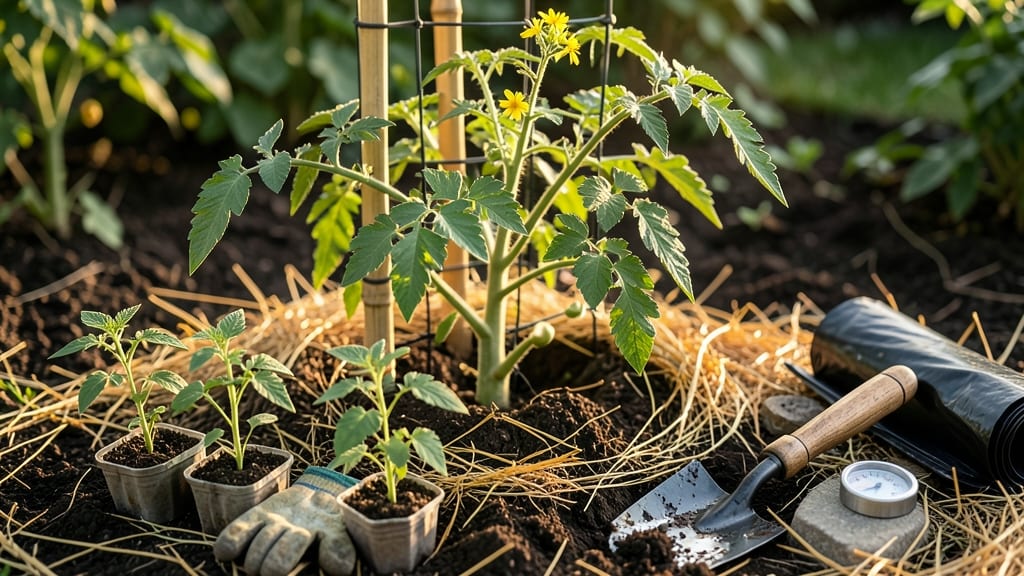
Timing your tomato planting in North Carolina can make or break your harvest—get it wrong, and you might end up with frost-nipped plants or a summer full of store-bought tomatoes instead of juicy, vine-ripened 🍅 goodness from your own garden.
With NC’s diverse climate spanning from the cool mountain air of the Appalachians to the warmer coastal plains, knowing the exact window to plant your tomatoes is more than just a suggestion—it’s the key to a thriving garden.
Whether you’re in the Piedmont or near the coast, the right timing ensures your plants get the head start they need to flourish.
Most gardeners in NC’s 7a-7b zones (where the majority of the state falls) should aim to plant tomatoes between April 15 and May 15, but the exact date depends on your local frost dates and microclimate.
I’ll break down exactly when to plant based on your specific region, so you can avoid common mistakes and maximize your harvest.
From adjusting for early frosts in the mountains to taking advantage of the longer growing season near the coast, this guide will help you plant your tomatoes at the perfect time—so you can enjoy homegrown flavor from June all the way through October.
NC tomato planting deadlines by USDA hardiness Zone (with frost dates)
North Carolina spans USDA Zones 5b through 8a, meaning your tomato planting window can shift by 6-8 weeks depending on where you live. The last average frost date is your golden rule—plant too early, and a late freeze will kill your seedlings.
Too late, and you’ll miss the 180-240 frost-free days most tomato varieties need to ripen.
Most NC gardeners focus on Zones 7a and 7b, covering the Piedmont and Coastal Plain, but mountain regions (Zones 6b-7a) have earlier deadlines. Below, I’ve broken down the ideal planting windows by zone, including heat-tolerant variety recommendations for each area to maximize your harvest.
Pro Tip: Use a soil thermometer—tomatoes won’t thrive until soil hits 60°F. In cooler zones, black plastic mulch can add 5-10°F to soil warmth, buying you 2-3 extra weeks of planting time.
| USDA Zone | Region | Last Frost Date | Planting Window | Heat-Tolerant Varieties |
|---|---|---|---|---|
| 5b-6a | Mountains (Asheville, Boone) | April 15–May 1 | May 1–15 (after last frost) | 'Celebrity', 'Mountain Merit' |
| 6b-7a | Piedmont (Raleigh, Greensboro) | March 30–April 15 | April 15–May 1 | 'Solar Fire', 'Heatmaster' |
| 7b-8a | Coastal Plain (Wilmington, Fayetteville) | March 15–April 1 | April 1–15 (or August for fall) | 'Florida 47', 'Sun Leaper' |
| 8a | Outer Banks, Coastal NC | February 28–March 15 | March 15–April 1 (or July–August) | 'Solar Fire', 'Cherokee Purple' |
If you’re in Zone 7b or warmer, you can also try a fall planting (August–September) for a late-season harvest. Just pick early-maturing varieties (like 'Early Girl' or 'Stupice') to beat the first frost, which typically hits in mid-October in the Piedmont and late October along the coast.
For Zone 6b and cooler, focus on early-maturing hybrids (under 70 days to harvest) to avoid frost. My go-to? 'Mountain Merit'—it handles cooler temps better than most and resists early blight, a common issue in NC’s humid summers.
🌡️ Key Reminder: Always check your local Cooperative Extension Service for hyper-local frost data. Microclimates (like urban heat islands or valley frost pockets) can shift your deadline by 1-2 weeks either way.
How to adjust planting for NC’s microclimates (coast vs. Mountains vs. Piedmont)
North Carolina’s microclimates can shift tomato planting deadlines by weeks—even within the same USDA zone. Coastal areas like Wilmington stay warmer longer, while mountain valleys like Asheville can experience late frosts well into May. Understanding these differences helps you avoid frost damage or wasted effort on early starts.
The Coastal Plain (Zones 8a–8b) often sees its last frost by March 15, giving you a head start. Meanwhile, the Mountains (Zones 6b–7a) may not be frost-free until May 1. The Piedmont (Zones 7a–7b) falls somewhere in between, with last frosts typically around April 15.
| Region | Last Frost Date | Safe Planting Window | Risky Planting Window | Key Microclimate Factor |
|---|---|---|---|---|
| Coastal Plain | March 15 | March 20–April 15 | February 15–March 10 | Warm ocean breezes delay frost |
| Piedmont | April 15 | April 20–May 10 | March 20–April 10 | Rapid soil warming in spring |
| Mountains | May 1 | May 10–June 1 | April 1–April 30 | Cold air pockets in valleys |
If you’re in the Coastal Plain, you can push the envelope with early varieties like ‘Celebrity’ or ‘Early Girl’ as soon as soil hits 60°F. In the Mountains, opt for heat-tolerant varieties like ‘Solar Fire’ or ‘Heatmaster’ to compensate for shorter growing seasons.
The Piedmont offers the most flexibility, but even here, urban areas (like Raleigh) warm up faster than rural spots.
Don’t forget to check your local microclimate. A south-facing slope or paved parking lot can create a heat island that warms soil weeks earlier than shaded areas. Use a soil thermometer to confirm readiness—60°F is the magic number for tomato roots to thrive.
For gardeners in transitional zones (like Zone 7b), consider succession planting every 2 weeks to stretch your harvest. And if you’re near the coast, watch for salt spray or humidity-related diseases—these can stress plants even after the frost threat passes.
Adjusting for microclimates isn’t just about dates—it’s about matching your tomato varieties to your local conditions. With the right timing, you’ll enjoy ripe tomatoes from June through October, no matter where in NC you garden. 🌱