
Plants
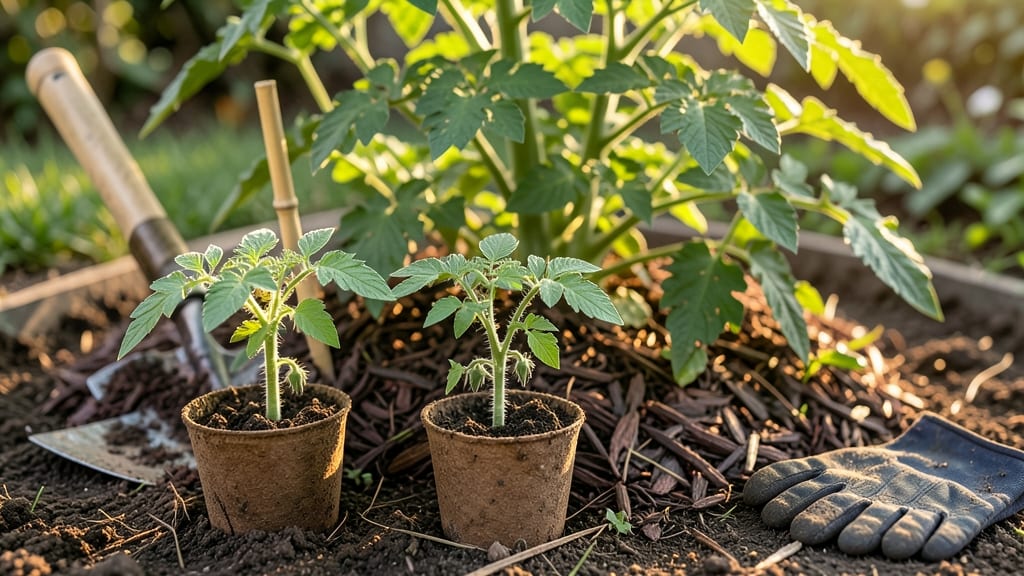
If you’ve ever wondered when is the best time to plant tomatoes in California, only to watch them wilt in unexpected heat—or freeze in a rare coastal chill—you’re not alone.
The Golden State’s dramatic climate shifts mean the best time to plant tomatoes isn’t one-size-fits-all, and getting it wrong can cost you your entire harvest.
Coastal gardeners in USDA Zone 10 might be itching to start by February, while inland valley growers in Zone 9 should wait until late March. The difference? Soil temperature, frost risk (yes, even in California!), and how fast your plants handle summer’s scorching sun.
Skip the guesswork and plant at the perfect moment for your microclimate, and you’ll enjoy juicier, more abundant tomatoes all season.
I’ll break down the exact planting windows for your region—whether you’re in foggy San Francisco or the baking Central Valley—plus pro tips to adjust for container gardening, high-desert heat, and fall planting. No more second-guessing: just a foolproof schedule tailored to where you live.
Ready to turn your tomato dreams into a bountiful reality? Let’s dive into the science behind California’s two very different growing seasons—and how to pick the ideal week to get your seeds or seedlings in the ground for maximum success.
California’s tomato planting calendar: coastal vs inland heat zones compared
California’s tomato planting success hinges on understanding your microclimate. Coastal areas like San Francisco and Santa Barbara enjoy milder winters, while inland valleys like the Central Valley face hotter summers and rare frosts. These differences shift planting windows by 4-6 weeks, so knowing your zone is critical.
For coastal regions, soil temperatures reach the ideal 60°F+ for germination as early as late February. Inland areas, however, often wait until late March or April due to cooler nights and slower soil warming. This timing ensures your tomato seedlings thrive without stress from sudden heat or cold snaps.
Here’s how the two regions compare:
| Factor | Coastal Regions (e.g., SF, LA) | Inland Valleys (e.g., Central Valley, Desert) |
|---|---|---|
| Last Frost Date | None (rare below 32°F) | January 15 (occasional light frost) |
| Optimal Planting Window | February–April (soil 60°F+) | March–May (soil 65°F+) |
| Soil Warming Trick | Black plastic mulch (warms soil faster) | Clear plastic mulch (retains heat) |
| Heat Stress Risk | Low (cool summers) | High (100°F+ common) |
| Harvest Window | June–October | May–November |
| Best Varieties | Heirloom (e.g., Brandywine), cherry tomatoes | Heat-tolerant (e.g., Solar Fire, Heatmaster) |
Coastal gardeners can start seedlings indoors as early as January for a head start, while inland gardeners often wait until February to avoid transplant shock from sudden heat. The key is aligning your planting with soil temperature, not just air temperature—tomatoes need warm roots to thrive.
Inland areas also benefit from shade cloth during peak summer heat (100°F+), which can cause blossom-end rot. Coastal gardeners, meanwhile, should watch for fungal diseases like early blight due to morning fog and humidity.
Both regions require well-draining soil, but coastal clay soils may need amendments like compost or sand.
For container gardening, coastal areas can plant 3-4 weeks earlier than ground plantings, as pots warm up faster. Inland containers, however, need extra watering to prevent soil from drying out too quickly in the intense sun.
Always use tomato cages or stakes to support plants, especially in windy coastal areas.
Pro tip: Use a soil thermometer to confirm your garden bed is ready. Tomatoes won’t germinate well in soil below 55°F, and seedlings may struggle in soil below 60°F. Patience here pays off with a longer harvest season and healthier plants.
If you’re in a transition zone (e.g., San Diego or Sacramento suburbs), split your planting: start half your seeds in February and the other half in March to stagger your harvest and reduce risk.
🌱
California’s tomato planting calendar: coastal vs inland heat zones compared
California’s microclimates create dramatic differences in tomato planting success. Coastal areas like San Francisco and Los Angeles enjoy mild winters and cool summers, while inland valleys like the Central Valley face intense heat and dry conditions.
These differences shift optimal planting windows by 4-6 weeks, so knowing your region’s patterns is critical.
For coastal California, the best planting window runs from late February to early April. Here, frost risk is minimal, but cool soils can delay germination.
Inland areas, however, should wait until mid-March to May to avoid heat stress during flowering. The key factor? Soil temperature—tomatoes need 60°F+ to thrive.
| Factor | Coastal (e.g., SF, LA) | Inland (e.g., Central Valley) |
|---|---|---|
| Last Frost Date | None (rare below 32°F) | January 15 (occasional) |
| Optimal Planting Window | Late Feb - Early April | Mid-March - May |
| Soil Temp for Planting | 60°F+ (late Feb) | 65°F+ (late March) |
| Heat Stress Risk | Low (cool summers) | High (100°F+ common) |
| Harvest Window | June - October | May - November |
Another critical difference? Coastal tomatoes benefit from longer harvest seasons due to milder summers, while inland varieties often bolt (flower prematurely) if planted too early. For inland gardeners, heat-tolerant varieties like 'Heatmaster' or 'Solar Fire' are excellent choices. These determinate types set fruit quickly before extreme heat sets in.
Don’t overlook fall planting in inland areas! While coastal gardeners can extend harvests into October, inland regions can plant a second crop in August for a late-summer harvest.
Just ensure seedlings are hardened off and planted before September heat waves arrive. This strategy works best in USDA Zone 9 areas like Bakersfield or Fresno.
For container gardening—common in urban coastal areas—plant dwarf varieties like 'Tiny Tim' or 'Patio' in late March. Containers warm up faster than soil, so you can start 1-2 weeks earlier than in-ground plantings. Just ensure pots have drainage holes and use lightweight potting mix to prevent root rot.
Pro tip: Use black plastic mulch to warm coastal soils faster and preserve moisture in inland areas. This simple trick can extend your planting window by 2-3 weeks in both regions. Pair it with drip irrigation to maintain consistent moisture—critical for fruit set in California’s variable climates.