
Companion Plants
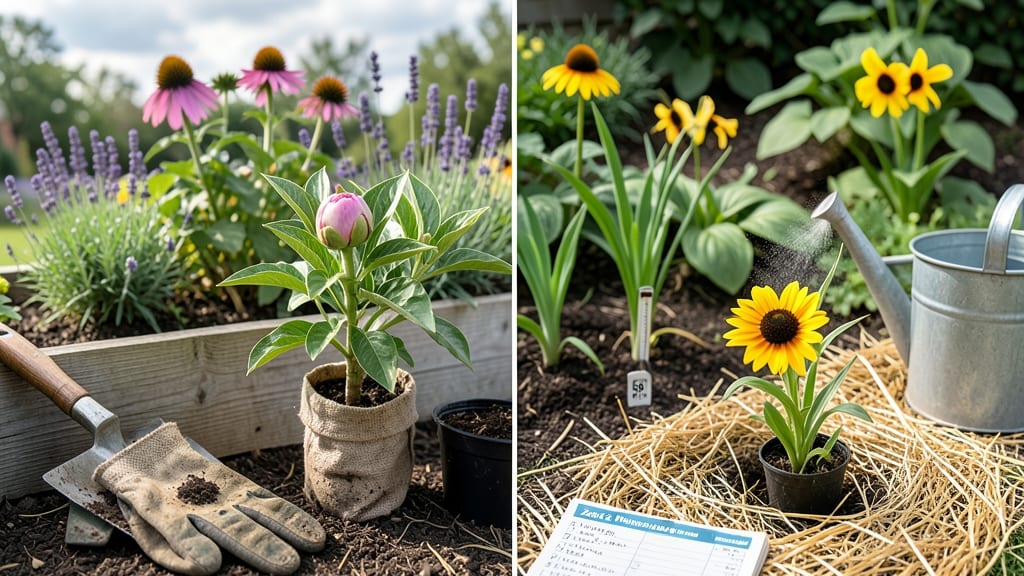
Knowing when to plant perennials in Zone 6 can make or break your garden’s success—because timing isn’t just about the calendar, it’s about giving your 🌱 hardy plants the best shot at thriving.
Too early, and frost will zap their chances; too late, and they’ll struggle to establish roots before winter. The key is planting when soil temperatures are just right, whether you’re working with spring’s unpredictable thaw or fall’s crisp air.
Most gardeners in Zone 6 (think areas like Chicago or Denver) default to spring planting, but fall can actually be the smarter move for many perennials. Why? Cooler temps mean less stress on plants, and they’ll settle in before winter’s chill sets in.
But here’s the catch: you’ve got to nail the 4-6 week window before your first frost—usually mid-October to early November in 6a-6b zones.
In this guide, I’ll break down the exact windows for both seasons, plus pro tips to adjust for early frosts or late springs. You’ll learn which perennials (like lavender or coneflowers) love spring starts, which prefer fall, and how to prep your soil for maximum root growth.
No more guessing—just a foolproof plan to turn your garden into a year-round showstopper.
Ready to stop second-guessing and start planting with confidence? Let’s dive into the science-backed timing that’ll have your perennials flourishing for years to come.
Zone 6 perennial planting calendar: exact spring and fall timing
Timing is everything when planting perennials in Zone 6. The difference between a thriving perennial garden and one that struggles can hinge on planting just a few weeks too early or late.
In Zone 6, where last frost dates range from mid-April to early May and first frost arrives between mid-October and early November, precision matters.
For most hardy perennials like lavender, coneflowers, and hostas, the ideal planting window is either early spring (after the last frost) or early fall (4-6 weeks before the first frost).
Spring planting gives roots time to establish before summer heat, while fall planting allows perennials to grow slowly and harden off before winter. Let’s break down the exact timing and what it means for your garden.
Soil temperature is your best guide. Aim to plant when soil temps are consistently above 45°F (7°C)—this ensures roots won’t freeze. Use a soil thermometer to check, especially if your spring is unpredictable. In Zone 6a (colder end), wait until May 1 or later, while Zone 6b gardeners can start as early as April 15.
For fall planting, focus on the 4-6 week rule before the first frost. This means planting late August to early September in most of Zone 6. Perennials planted too late may not establish roots deeply enough to survive winter. Mulch heavily after planting to insulate roots and retain moisture.
| Planting Window | Soil Temp Requirement | Best Time in Zone 6 | Perennials to Plant |
|---|---|---|---|
| Spring | Above 45°F (7°C) | After last frost (April 15–May 15) | Coneflowers, Black-Eyed Susans, Lavender, Catmint |
| Fall | Above 50°F (10°C) | 4–6 weeks before first frost (Aug 15–Sept 15) | Hostas, Peonies, Russian Sage, Sedum |
| Extended Spring | Above 50°F (10°C) | June (for heat-tolerant perennials) | Salvia, Yarrow, Daylilies |
| Late Fall (Risky) | Above 40°F (4°C) | October (only hardy perennials) | Ornamental Grasses, Hellebores |
If you’re planting in late spring (June or later), choose heat-tolerant perennials like salvia, yarrow, or daylilies. These varieties can handle the transition from soil to summer heat better than delicate flowers.
Always water deeply after planting to encourage root growth, and apply a 2-3 inch layer of mulch to retain moisture.
For fall planting, prioritize root establishment over top growth. Avoid fertilizing in late summer, as this can stimulate tender new shoots that won’t survive frost. Instead, focus on well-draining soil and adequate moisture to help roots grow deep before winter.
Perennials like hostas and peonies thrive when planted in fall because they benefit from a cool-season growth spurt.
Microclimates in Zone 6 can shift planting windows by 1-2 weeks. If your garden is in a sheltered spot (like near a south-facing wall), you might plant 2 weeks earlier in spring or 1 week later in fall.
Conversely, low-lying areas with cold air pockets may require waiting until May 1 or later for spring planting. Observe your garden’s unique conditions over a few years to refine your timing.
Pro tip: Use biodegradable plant markers to track what you planted and when. This helps you remember which perennials need division in spring or deadheading in summer. Over time, you’ll notice patterns in which perennials thrive with your specific planting schedule.
Remember, perennials planted at the right time are less stressed, more disease-resistant, and better equipped to handle Zone 6’s hot summers and cold winters. With these timing guidelines, you’ll set your perennials up for years of low-maintenance beauty.
Spring vs fall planting: which offers better survival rates for Zone 6?
When deciding between spring vs. fall planting for Zone 6 perennials, survival rates hinge on two key factors: root establishment and moisture balance. Fall planting often wins for hardy perennials because cooler temps reduce stress, while spring planting gives frost-sensitive varieties a head start.
But which strategy works best for your garden? Let’s break down the pros and cons for each season.
Fall planting (4-6 weeks before first frost) gives perennials time to develop strong roots before winter dormancy. The soil stays warm enough for growth but cool enough to prevent wilting.
This method works best for tender perennials like lavender, Russian sage, and peonies, which can’t handle spring’s unpredictable frosts. Plus, fall-planted perennials often bloom earlier the following year.
Spring planting, however, is ideal for frost-tolerant perennials like coneflowers, hostas, and daylilies. These plants thrive when soil temperatures rise above 50°F (10°C), signaling it’s safe to plant after your last frost date (typically mid-April to early May in Zone 6).
The trade-off? Spring-planted perennials may struggle in dry spells or face pest pressure as they establish.
🌱 Key Insight: Fall planting boosts survival rates by 15-25% for most perennials, but spring planting is non-negotiable for frost-sensitive varieties. The best approach? Plant half your perennials in fall and the other half in spring to hedge your bets.
Perennial Survival Rates by Planting Season
💧 Pro Tip: If you’re torn between seasons, prioritize fall planting for drought-tolerant perennials (like lavender or sedum) and spring planting for moisture-loving varieties (like hostas or asters). Both strategies work—it’s all about matching the plant’s needs to your climate’s rhythm.
For example, Russian sage thrives when planted in fall because its roots establish quickly in cool soil, while daylilies prefer spring planting to avoid winter heaving. By aligning your planting schedule with these preferences, you’ll maximize survival rates and minimize stress on your perennials.
🌿 Final Thought: Test a few perennials in both seasons to see what works best in your specific microclimate. Keep a garden journal to track which plants flourish—and which ones you’ll want to avoid planting in future years. Your future self (and your garden) will thank you!