
Flowers
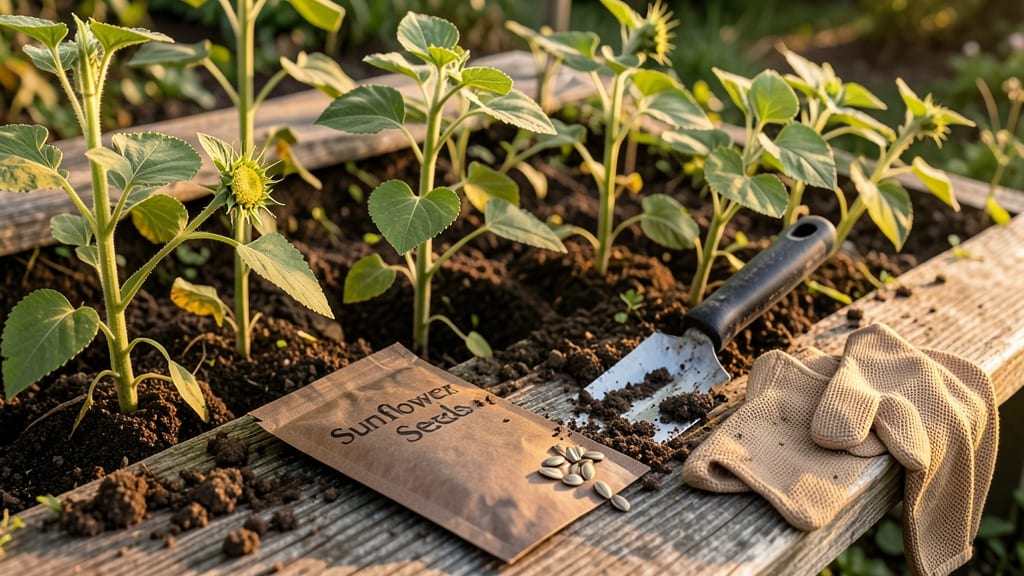
Timing your sunflower planting in Ohio isn’t just about throwing seeds into the ground—it’s the secret to growing those towering, vibrant blooms that turn heads in your garden.
With Ohio’s 6a-6b climate and unpredictable spring weather, planting too early or too late can mean the difference between a 10-foot giant and a stunted shrub.
Most Ohio gardeners wait until mid-April to mid-June after the last frost, but there’s more to it than just dates. Soil temperature, microclimates, and even sunflower variety play a role in determining the perfect moment to plant. Get it right, and you’ll enjoy late-summer blooms that last well into fall.
I’ll walk you through the exact weeks before your last frost to plant for maximum height and show you how to adjust for Ohio’s quirks—whether you’re growing Mammoth Russians or cheerful Teddy Bear varieties.
Plus, a quick checklist to prep your soil and spacing so your sunflowers thrive from seed to bloom.
Ready to turn your garden into a sunflower sanctuary? Let’s dive into the timing, tips, and tricks that will have your 🌻 reaching for the sky by August.
Ohio sunflower planting timeline: exact weeks before last frost for best results
Ohio’s USDA zones 6a-6b create a unique challenge for sunflower growers—cool springs can delay planting, while hot summers reward timely starts with 10-foot-tall giants. The key? Planting 2-4 weeks before your last frost date, but only when soil temperatures hit 55°F (13°C) consistently.
In most of Ohio, this lands between mid-April and early May, but northern regions like Toledo should wait until late April.
Sunflowers are hardy annuals that tolerate light frost, but seedlings won’t survive below 32°F (0°C). The average last frost date in Columbus is April 15, so aim to plant 3-4 weeks prior—around April 1-15.
For Cincinnati’s slightly warmer microclimate, you can push planting to mid-April safely. Always check your local Cooperative Extension Service for precise frost dates, as they update annually.
Here’s the golden rule: Plant sunflower seeds 1 inch deep and 6 inches apart in rows 18-24 inches apart. Ohio gardeners often make the mistake of planting too early—cool soil slows germination, leading to stunted growth.
Wait until you can dig down 6 inches and feel warmth before sowing. A soil thermometer is your best friend here!
🌱 Ohio Sunflower Planting Summary
| Region | Last Frost Date | Ideal Planting Window | Soil Temp Threshold |
|---|---|---|---|
| Northern Ohio (Toledo, Cleveland) | April 25-May 5 | Late April to early May | 55°F (13°C) |
| Central Ohio (Columbus, Dayton) | April 10-20 | Mid-April to late April | 55°F (13°C) |
| Southern Ohio (Cincinnati, Lexington) | March 25-April 10 | Late March to mid-April | 50°F (10°C) |
| All Regions (Late Varieties) | June 1-15 | For autumn blooms | 60°F (16°C) |
For taller varieties like Mammoth Russian, which can reach 12-14 feet, plant 3-4 weeks before last frost to give roots time to establish before Ohio’s summer heat sets in.
These giants need deep, well-draining soil—amend your garden beds with compost before planting to prevent root rot in Ohio’s heavy clay soils.
Pro tip: If you’re growing sunflowers for seeds, plant a second crop in late June. Ohio’s 165 frost-free days allow time for a fall harvest before the first frost in October.
This is how I’ve successfully grown heirloom varieties like Autumn Beauty, which produces bicolor blooms perfect for cutting.
One common mistake Ohio gardeners make is overcrowding seedlings. Thin your sunflowers to 12-24 inches apart once they’re 4-6 inches tall. This may seem wasteful, but it ensures each plant gets enough nutrients and sunlight to reach its full potential.
I’ve seen 10-foot sunflowers in my Cincinnati garden by following this spacing rule religiously.
Don’t forget about succession planting! While sunflowers are annuals, you can extend your blooming season by planting every 2-3 weeks from April through June. This creates a continuous display of color and attracts pollinators all summer long.
It’s also a great way to stagger harvests if you’re growing for seeds.
For container growing, choose dwarf varieties like Teddy Bear (1-3 feet tall) and plant in 5-gallon pots with drainage holes. These do well on patios and balconies, even in Ohio’s hot summers, as long as they get full sun. Just
Finally, keep an eye on your sunflower’s progress after planting. If you notice yellowing leaves or stunted growth, it might be time to fertilize lightly with a balanced 10-10-10 formula. But here’s the kicker: Over-fertilizing leads to leafy growth at the expense of flowers. Stick to the feed-light-feed rule—
How to adjust planting dates for Ohio’s unpredictable weather patterns
Ohio’s spring weather can swing from freezing nights to 80-degree days in a single week, making sunflower planting tricky. The key is adjusting your timeline based on soil temperature, frost forecasts, and microclimates in your area.
For example, northern Ohio’s USDA Zone 5b may need to wait until mid-May, while southern Ohio’s Zone 6b can start as early as late April. Always check the National Weather Service for your local frost date—it’s not set in stone!
If a late frost threatens, use row covers or cloche tunnels to protect young seedlings. I’ve seen gardeners in Columbus extend their season by 3-4 weeks this way. For extra insurance, plant cold-hardy varieties like ‘Autumn Beauty,’ which can tolerate light frosts once established.
Just avoid planting too early—sunflowers won’t germinate in cold soil below 50°F.
🌱
⚠️ Late Frost Warning
Never plant sunflowers before your average last frost date—even if the weather seems warm. Young seedlings can’t handle even light frost, and recovery is nearly impossible. If frost is forecasted within 72 hours of planting, delay until conditions stabilize. Use a soil thermometer to confirm temperatures are consistently above 55°F at a 2-inch depth.
For gardeners in urban heat islands (like Cincinnati or Cleveland), you might plant 2-3 weeks earlier than rural areas. These microclimates warm up faster in spring. If you’re unsure, start with a small test batch in late April and use row covers if needed.
I once planted ‘Mammoth Russian’ in early May in Toledo, and by using a floating row cover, I got blooms by early July—a full month ahead of schedule!
Another trick is to stagger your planting. Sow a few seeds every 2 weeks from late April through early June. This ensures a continuous bloom from summer through fall.
For example, plant one batch in late April (for early blooms), another in mid-May (peak season), and a final batch in early June (late-season color). This method also helps if your first batch gets hit by unexpected pests or disease.
If you miss the spring window, don’t despair—sunflowers are heat-loving annuals and can handle late summer planting too! In Ohio, you can still sow seeds in early July for fall blooms.
Just expect slightly shorter stems and smaller flowers. I’ve grown ‘Teddy Bear’ sunflowers planted in mid-July in my Akron garden, and they still reached 3 feet tall by October!
Finally, keep an eye on your local weather patterns. Ohio’s Lake Effect can create delayed springs in northern areas, while southern regions might see early thaws. Use a garden journal to track your success—note when you planted, how tall your sunflowers grew, and any weather anomalies.
Over time, you’ll fine-tune your planting schedule to perfect it for your specific Ohio microclimate. 🌻