
Plants
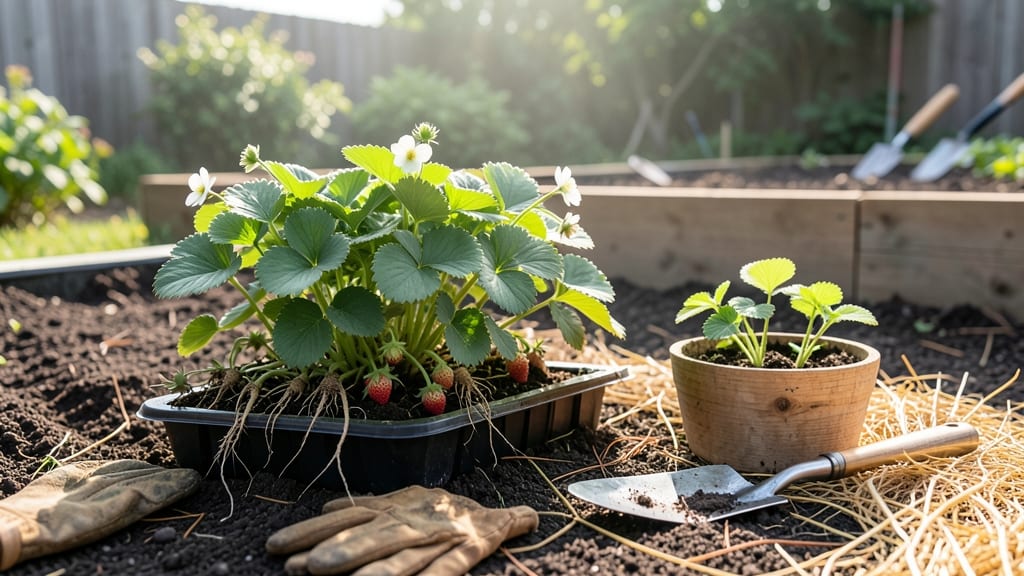
Planting strawberries in Oklahoma isn’t one-size-fits-all—get the timing wrong, and you might miss the entire harvest season. Whether you're in the cooler northern regions or the warmer southern zones, knowing the exact microclimate-specific months to plant can mean the difference between a bountiful 🍓 harvest and wasted effort.
Oklahoma’s climate varies dramatically, from the frost-prone north to the heat-sensitive south, making the wrong planting window a costly mistake.
I’ll break down the best times to plant—whether you’re opting for early spring or fall—so you can align with your local conditions and avoid late frosts or scorching summers that stall growth.
Beyond just the calendar, soil prep and plant selection matter just as much. We’ll cover how to choose between bare-root and potted strawberries, adjust for Oklahoma’s clay-heavy soils, and even troubleshoot common pitfalls that trip up gardeners every year.
Ready to maximize your strawberry yield? Let’s dive into the most efficient planting strategies tailored to your corner of Oklahoma—so you can enjoy fresh, homegrown berries from summer through fall.
Best planting months for strawberries in Oklahoma by microclimate Zone
Oklahoma’s three distinct climate zones—Northern (USDA Zone 6b), Central (Zone 7a), and Southern (Zone 8a)—create wildly different planting windows for strawberries.
In Northern Oklahoma, where late frosts linger until mid-April, your best bet is late March to early April for spring planting or late August to early September for fall. Meanwhile, Southern Oklahoma gardeners can start as early as February and enjoy a second planting in October.
Central Oklahoma straddles both strategies, with ideal spring windows from mid-March to mid-April and fall plantings in September. The key is soil temperature—strawberries thrive when soil reaches 45°F—not just air temperature.
Use a soil thermometer to confirm readiness, especially in unpredictable years when spring arrives early or late.
Here’s the microclimate breakdown you need to avoid wasted effort and maximize your harvest:
| Zone | Spring Planting Window | Fall Planting Window | Key Consideration |
|---|---|---|---|
| Northern OK (Zone 6b) | Late March–Early April | Late August–Early September | Wait for last frost date (avg. April 15) |
| Central OK (Zone 7a) | Mid-March–Mid-April | September | Soil must be 45°F+; avoid clay-heavy soils |
| Southern OK (Zone 8a) | February–Early March | October | Watch for heat waves after planting |
For fall plantings, aim to get strawberries established 6–8 weeks before the first frost, which typically hits November 15 in Northern Oklahoma and December 1 in the South.
This timing ensures roots develop before winter dormancy. June-bearing varieties (like Chandler) are best for fall, while everbearing types (like Seascape) can handle both seasons.
One critical mistake Oklahoma gardeners make is planting too early in clay-heavy soils, which stay cold and waterlogged. Amend your beds with compost or sand to improve drainage. In Southern Oklahoma, where summers scorch, opt for shade cloth during peak heat to prevent stress.
If you’re in a transition zone (like Oklahoma City), split your planting: half in March and half in September for a staggered harvest. This extends your season from May to July and again in fall.
Remember, strawberries need full sun (6–8 hours daily) and well-draining soil. Test your soil pH (ideal: 5.5–6.5) before planting—Oklahoma’s alkaline soils often need sulfur amendments. Mulch with straw to retain moisture and suppress weeds, especially in dry spells.
For container growing, plant in late spring (after last frost) and use self-watering pots to handle Oklahoma’s summer droughts. Dwarf varieties like Albion thrive in pots and produce earlier than standard types.
Finally, avoid planting in summer—the heat stresses young plants. Instead, focus on soil prep during winter months. By following these zone-specific timelines, you’ll enjoy sweeter, larger berries with minimal pest issues.
Best planting months for strawberries in Oklahoma by microclimate Zone
Oklahoma’s three distinct climate zones—Northern, Central, and Southern—each demand different strawberry planting windows to avoid frost damage or heat stress. The USDA Hardiness Zones 6b–8a create microclimates where timing can shift by 4–6 weeks between regions.
In Northern Oklahoma (Zones 6b–7a), like in Oklahoma City or Tulsa, your best bet is late March to early April for spring planting. Fall planting is possible in September, but risks frost before harvest. Southern areas like Oklahoma City’s outskirts can push spring planting to mid-April.
Central Oklahoma (Zones 7a–7b), including Lawton and Stillwater, offers a 6-week window from mid-March to early May. Here, fall planting in late August works better than in the North, as cooler nights extend the growing season. Avoid planting after September 15th—new plants won’t establish before winter.
| Zone | Spring Planting Window | Fall Planting Window | Key Risk |
|---|---|---|---|
| Northern (6b–7a) | Late March–Early April | September (limited) | Late frost |
| Central (7a–7b) | Mid-March–Early May | Late August–Mid-Sept | Heat stress |
| Southern (7b–8a) | Mid-April–May | October (extended) | Hurricane season |
🌱 Pro Tip: Test soil temperature—strawberries thrive when soil reaches 45°F+.
Southern Oklahoma (Zones 7b–8a), including Lawton’s southern edge and Altus, shifts spring planting to mid-April to May. Here, fall planting in October is viable if you use row covers to protect against early frosts. The biggest risk? Hurricane season can disrupt late-summer plantings.
For year-round harvests, combine spring and fall plantings in Central/Southern zones. Start with June-bearing varieties in spring and everbearing types in fall. In Northern zones, focus on one planting window—spring—to avoid frost risks.
Always check your local frost dates (use the Old Farmer’s Almanac or NOAA tools) and adjust by 2–3 weeks if your microclimate runs cooler. Clay soils in Oklahoma slow warming—amend with compost to speed up planting readiness.