
Plants
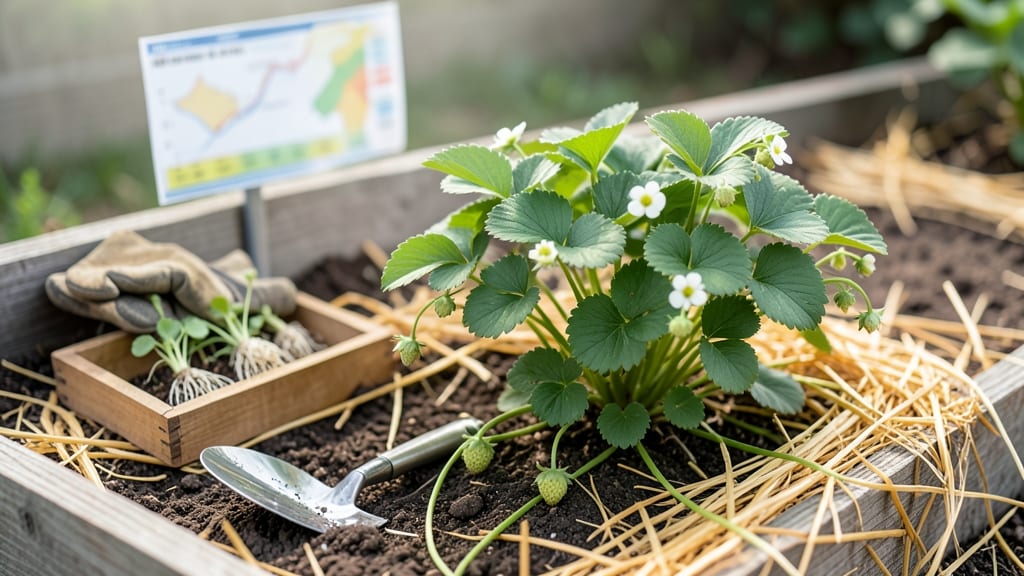
If you’ve ever wondered when to plant strawberries in Louisiana for the juiciest harvest, the answer isn’t just about the calendar—it’s about beating the heat and avoiding frost. Louisiana’s 8a-9b climate gives you two prime windows: fall or early spring, but timing matters more than you think.
Planting too early in spring risks frost damage, while summer heat can stress young plants. The best months are September through November for fall planting or February to March for spring, aligning with Louisiana’s frost-free periods. This isn’t just guesswork—it’s science-backed to ensure your 🍓 strawberries thrive.
Whether you’re growing bare-root plants or potted varieties, the key is preparing your soil and choosing the right time. I’ll walk you through the exact steps to maximize your yield, from soil prep to frost protection, so you can enjoy homegrown berries year after year.
Ready to turn your garden into a strawberry paradise? Let’s dive into the most important details tailored just for Louisiana growers.
Best strawberry planting months in Louisiana by variety and climate Zone
Louisiana’s humid subtropical climate (USDA zones 7b-9a) creates a year-round strawberry growing opportunity, but timing varies dramatically by variety and microclimate. The key is planting when soil temperatures stay above 50°F—a threshold strawberries need to establish roots without heat stress.
Let’s break down the optimal windows for Louisiana’s three main strawberry types.
For June-bearing varieties (like Chandler or Camarosa), the best planting window is September through November. These varieties need chill hours (300-500) to flower properly, which Louisiana’s winter often provides.
Planting in fall gives roots time to establish before spring fruiting, avoiding the summer heat that can stress young plants.
Everbearing varieties (such as Ozark Beauty or Seascape) are more flexible, thriving with two planting windows: late summer (August) for a fall harvest, or early spring (February-March) for a spring/summer crop. Their ability to produce fruit multiple times makes them ideal for Louisiana’s extended growing season.
Day-neutral varieties (like Albion or Tristar) are the most adaptable, producing fruit continuously as long as conditions are right. For these, plant in late winter (February) to avoid summer heat stress or early fall (September) to capitalize on cooler temperatures. Their lack of chill requirements makes them perfect for Louisiana’s Zone 8-9 conditions.
| Variety Type | Best Planting Months | Harvest Window | Louisiana-Specific Notes |
|---|---|---|---|
| June-Bearing | September–November | March–June | Needs winter chill; avoid summer planting. |
| Everbearing | August or February–March | Fall & Spring/Summer | Flexible; great for urban containers. |
| Day-Neutral | February or September | Continuous (Spring–Fall) | No chill needed; ideal for heat tolerance. |
In northern Louisiana (Zone 7b), where frost dates are later (last frost around March 1), focus on fall planting (October) to give plants a head start.
Meanwhile, southern Louisiana (Zone 9a) can plant as late as November or even early December in microclimates with warmer soil, like near the Gulf Coast.
For spring planting, aim for February in most of Louisiana—after the last frost date (typically February 15) but before soil temperatures exceed 75°F. Use shade cloth if planting in March to protect young plants from heat stress.
Pro tip: Soak bare-root plants for 2 hours before planting to reduce transplant shock in Louisiana’s hot, dry springs.
If you’re in urban areas with limited space, day-neutral varieties planted in containers can produce fruit year-round with proper care. Move containers to shadier spots during summer’s peak heat (June–August) to prevent fruit scorching. Mulch heavily with straw or pine needles to retain moisture and regulate soil temperature.
Remember: Louisiana’s humidity increases disease pressure, so always plant in well-draining soil and avoid overhead watering. For organic growers, add composted pine bark to improve drainage and reduce fungal risks like gray mold, common in our state’s warm, wet conditions.
🍓
How to time strawberry planting for Louisiana’s microclimates and frost risks
Louisiana’s microclimates can vary wildly—from coastal humidity to inland dry spells—so planting at the wrong time risks frost damage or heat stress. The key is aligning your planting with soil temperature thresholds (aim for 50°F+) and avoiding late-winter freezes.
For example, North Louisiana (Zone 7b-8a) faces earlier frosts than New Orleans (Zone 9a), so adjust your schedule accordingly.
Even with Louisiana’s mild winters, a late February freeze can wipe out young plants. I’ve seen this happen to gardeners who plant too early, so always check your local frost date (typically February 15 for most of the state).
If you’re in doubt, err on the side of late February to early March for spring plantings.
For fall planting, the window narrows as temperatures drop. Plant between September and November to give roots time to establish before winter dormancy. In Zone 9a, you can push this to December, but avoid planting after November 15 in cooler inland areas.
⚠️ Frost Risk Alert
Never plant strawberries in summer heat (June-August). Young plants struggle with 90°F+ temperatures, leading to poor root development. Even bare-root plants need cool soil to thrive—wait until fall or early spring.
Pro tip: Use row covers if planting in late March to protect from unexpected 28°F frosts.
Another critical factor is soil temperature. Strawberries need soil that’s at least 50°F for root growth. In Louisiana, this usually aligns with late February to early March for spring plantings. Use a soil thermometer to confirm—if it’s colder, delay planting by 2-3 weeks.
For container gardening, timing is even more flexible. You can plant potted strawberries anytime the soil is warm, but avoid peak summer. Containers heat up faster, so morning shade helps protect roots.
I’ve had success with April plantings in containers, as long as they’re kept moist and shaded during the day.
Finally, consider your strawberry variety. June-bearing types (like Chandler) need a chilling period (4-6 weeks below 45°F), so plant them in fall for spring harvests. Everbearing varieties (like Seascape) are more flexible and can handle spring or fall plantings.
By matching your planting to local frost risks, soil temps, and variety needs, you’ll set your strawberries up for a bountiful harvest—no matter where in Louisiana you garden. 🌱