
Plants
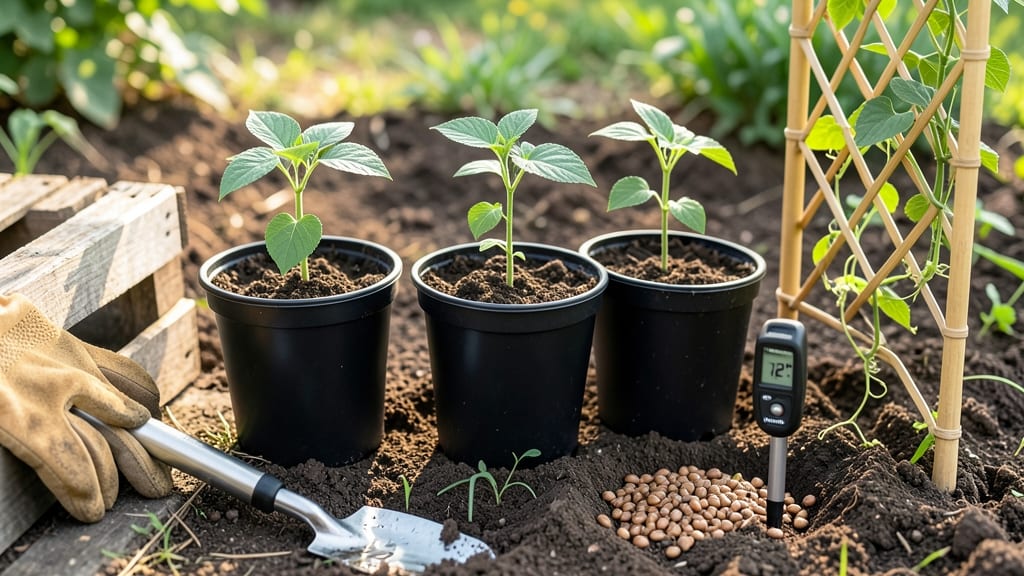
Timing your bean planting just right in Oklahoma could mean the difference between a bountiful harvest and a total flop—especially when those unpredictable spring frosts roll in.
Whether you're growing snap beans 🌱 or pole varieties, getting them in the ground at the perfect moment is the key to avoiding stunted growth or missed yields.
Most Oklahoma gardeners know the general rule: wait until after the last frost date, which typically lands between late February and early April. But here's the catch—your beans need soil that's warmed up to at least 60°F for those little seeds to germinate properly.
Plant too soon in chilly, damp soil, and you'll end up with leggy, weak plants that struggle to recover.
In this guide, I'll break down the exact windows for both spring and fall planting, including which varieties thrive best in Oklahoma's 6a-8a zones.
You'll also learn how to spot the ideal conditions—so you can start sowing with confidence as early as March 15 or as late as September 15—without guessing.
Ready to grow beans that produce all season long? Let's dive into the science-backed timing that'll have your garden flourishing from June through November.
Oklahoma bean planting timeline: frost dates & soil temperature guide
Getting your bean planting right in Oklahoma means timing it perfectly between frost risks and soil warmth. The state’s USDA zones 6b-8a experience last frosts anywhere from late February to early April, so your exact window depends on where you garden.
For example, northern Oklahoma (like Enid) averages its last frost around March 15, while southern areas (like Tulsa) can start as early as February 28.
Beans need soil temperatures of at least 60°F to germinate, but they thrive best between 65-85°F. Planting too soon in cold soil leads to rotten seeds or stunted growth.
Use a soil thermometer to confirm warmth before sowing—this is especially critical in Oklahoma’s unpredictable spring when nights can still dip below freezing even after daytime warmth arrives.
Here’s the golden rule for Oklahoma gardeners: Wait until 2 weeks after your average last frost date and when soil temps consistently stay above 60°F. This typically lands between March 15 and April 30 for most regions.
For a fall harvest, aim for August 1–September 15, giving plants enough time to mature before the first frost in late October–early December.
Pro Tip: Check Oklahoma’s Mesonet weather network for real-time soil temp updates if you’re unsure. Their soil temperature maps are a game-changer for avoiding common mistakes like planting too early in chilly soil.
| Region | Last Frost Date | Ideal Planting Window | Soil Temp Requirement |
|---|---|---|---|
| Northern OK (Enid, Woodward) | March 15–April 1 | April 15–May 1 | 60–65°F |
| Central OK (Oklahoma City) | March 1–March 15 | March 20–April 15 | 60–70°F |
| Southern OK (Tulsa, Lawton) | February 28–March 10 | March 1–March 30 | 65–75°F |
| Fall Planting (All Regions) | October 15–November 15 | August 1–September 15 | 60–70°F |
🌱 Oklahoma Bean Planting Calendar
Oklahoma’s short growing season (about 180–220 frost-free days) means choosing the right bean varieties is just as important as timing. For example, bush beans like ‘Blue Lake’ mature in 50–60 days, while pole beans like ‘Kentucky Wonder’ take 60–75 days.
Plant early varieties first (like ‘Contender’) to stretch your harvest, then follow with heat-tolerant types (like ‘Black Valentine’) for late summer.
If you’re in USDA Zone 7a or warmer (southern Oklahoma), you can sometimes squeeze in a late summer planting for a fall harvest. Just use fast-maturing varieties and keep an eye on first frost alerts from the National Weather Service.
A row cover can extend your season by 2–3 weeks if frost threatens early.
One mistake I see often is planting beans too close together, which reduces airflow and increases fungal diseases like bean rust. Space bush beans 4–6 inches apart in rows 18–24 inches apart, while pole beans need 4–5 inches apart with trellises 5–6 feet tall.
This spacing also makes it easier to monitor for bean beetles, a common Oklahoma pest.
For a foolproof approach, mark your last frost date on your calendar and count backward from your chosen variety’s days to maturity.
For example, if you’re growing ‘Blue Lake’ (55 days) and your first frost is November 1, plant by September 5 to ensure a harvest before cold weather sets in.
Remember: Oklahoma’s weather is as much a factor as your planting date. Always have a backup plan—whether it’s row covers, cold frames, or simply choosing shorter-season varieties for late starts. With the right timing and preparation, you’ll enjoy a bountiful bean harvest from spring through fall! 🌱
Best bean varieties for Oklahoma gardens & their planting windows
Choosing the right bean variety for Oklahoma’s USDA zones 6a-8a can make all the difference in your harvest. Heat-tolerant varieties like Kentucky Wonder and Blue Lake thrive in Oklahoma’s summer heat, while early-maturing types like Contender give you a jumpstart before the heat peaks.
Pole beans, such as Rattlesnake, are perfect for extending harvests vertically and maximizing space.
For spring planting, focus on varieties that mature in 50-60 days, like Blue Lake Bush, which can handle Oklahoma’s shorter growing season.
If you’re planting in late summer or fall, opt for heat-resistant types like Black Valentine, which can still produce pods even as temperatures drop in October.
Pole beans are ideal for Oklahoma’s long, hot summers because they climb trellises, keeping foliage off the ground and reducing disease risk. Bush beans, on the other hand, are better for small gardens or container growing, but they require more frequent harvesting to encourage continuous production.
Here’s a quick comparison to help you decide which varieties suit your garden best:
🌱 Bush Beans vs. Pole Beans
Bush Beans
- ✅ Faster harvest (50-60 days)
- ✅ Compact size (1-3 ft tall)
- ✅ Great for containers
- ❌ Harvest all at once (unless picked often)
Pole Beans
- ✅ Extended harvest (60-80 days)
- ✅ Space-efficient (climbs trellis)
- ✅ Better disease resistance
- ❌ Requires support (trellis or stakes)
If you’re planting in early spring, stick with cool-season varieties like Provider or Tendercrop, which can tolerate slightly cooler soils. For late summer plantings, heat-loving varieties like Blue Lake Pole or Golden Wax will keep producing well into October.
Pro tip: Plant a mix of both bush and pole beans to stagger your harvest. Start with bush beans in early spring, then follow up with pole beans in late spring or early summer.
This way, you’ll have fresh pods from June through November—just in time for Oklahoma’s first frost!