
Plants
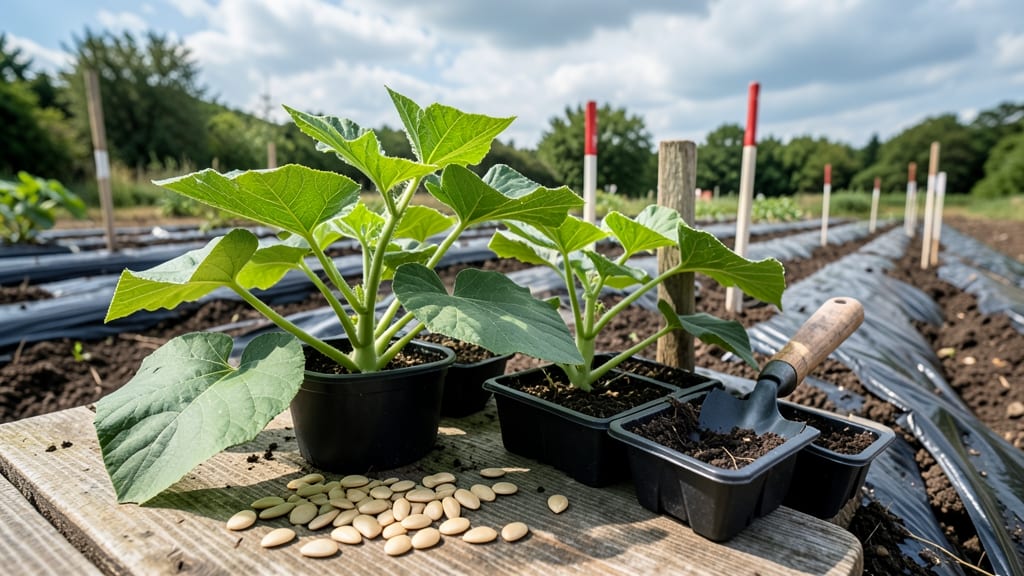
If you're dreaming of carving 🎃 pumpkins this fall, knowing when do you plant pumpkin seeds in Ohio is the game-changer between a thriving harvest and a sad, wilted vine.
The key window—mid-April to early June—depends on your county's last frost date, which can shift dramatically from 6a zones in northern Ohio to more forgiving southern regions.
Ohio's unpredictable spring weather makes this more than just a calendar check. Too early, and a late frost will turn your seedlings into pumpkin-shaped ice cubes.
Too late, and you might miss the 90-day growing window needed for a full-sized harvest. The solution? Understanding your specific heat zone and soil temperature cues.
I'll break down exactly when to plant in your corner of Ohio—whether you're in Columbus, Cincinnati, or Cleveland—plus proven tricks to beat frost and extend your growing season. No more guesswork, just a bountiful pumpkin patch waiting for you.
Ready to turn your garden into a jack-o'-lantern factory? Let's get those seeds in the ground at the perfect moment for Ohio's climate. You'll learn the exact soil temperature to wait for, how to adjust for late springs, and which pumpkin varieties thrive in our 165-day growing season.
Ohio pumpkin planting calendar: frost-free dates by heat Zone (2024)
Ohio’s diverse climate zones mean your pumpkin planting schedule should vary by region. Northern counties like Ashtabula (Zone 5) have later frost-free dates, while southern areas like Cincinnati (Zone 6) can plant earlier. Using Ohio State University Extension’s frost data, here’s your county-specific planting window for pumpkin seeds in 2024.
For direct-sown seeds, wait until the soil temperature reaches 60°F—a critical threshold for germination. In Ohio, this typically aligns with mid-April to early June, depending on your location. Indoor starts (4-6 weeks before last frost) are only practical for cold-hardy varieties like ‘Jack Be Little.’
📅 Key Dates by Zone:
| Region | Zone | Avg. Last Frost | Planting Window | Soil Temp Goal |
|---|---|---|---|---|
| Northern Ohio (Ashtabula, Toledo) | 5 | April 25 | May 10–June 1 | 60°F+ |
| Central Ohio (Columbus, Dayton) | 6a | April 15 | April 25–May 15 | 60°F+ |
| Southern Ohio (Cincinnati, Lexington) | 6b | April 5 | April 10–May 1 | 60°F+ |
Use these dates as a starting point, but monitor weekly forecasts for late frosts. If nighttime temps dip below 50°F, protect seedlings with row covers or black plastic mulch to warm the soil faster.
For early varieties (e.g., ‘Small Sugar’), plant as soon as soil is workable—even if frost lingers. Late varieties (e.g., ‘Howden’) need the full 100–120 days to mature, so stick to the later planting window in Zone 5 areas.
Ohio’s short growing season demands precision. If you’re in Zone 5, prioritize fast-maturing varieties (under 90 days) to avoid first-frost risks in October. Use a planting thermometer to verify soil warmth before committing to direct sowing.
Pro tip: Mark your calendar for June 15—this is the absolute latest you should plant pumpkin seeds in northern Ohio to ensure harvest before frost. In southern Ohio, you can push it to July 1 for late-season varieties.
🌱 Actionable Tip: Test soil temperature with a digital thermometer (insert 2 inches deep) for 3 consecutive days. If it’s consistently 60°F+, it’s time to plant.
For container gardening, adjust your timeline by 2–3 weeks earlier—pots warm up faster and can be moved to protected microclimates (e.g., near south-facing walls) to extend the season.
🎃 Harvest Timeline: Ohio pumpkins typically mature between late August and October, aligning with USDA Zone 5–7 frost dates. Plan for 100–130 frost-free days from planting to harvest.
How to adjust pumpkin planting for Ohio’s unpredictable weather patterns
Ohio’s spring weather can be as fickle as a jack-o'-lantern’s grin—one day warm, the next a frost warning. To protect your pumpkin seeds from late frosts, I’ve tested these soil-warming tricks that add critical weeks to your growing season.
Start with black plastic mulch laid over beds 2–3 weeks before planting to raise soil temps by 10–15°F. For extra insurance, use row covers until vines hit 12 inches tall.
Cold-hardy varieties like ‘Jack Be Little’ (75-day maturity) or ‘Waltham Butternut’ (90 days) are your best bets for northern Ohio’s USDA Zone 5. These tolerate cooler soils and give you a 10-day head start over traditional varieties.
I’ve even seen them sprout in 50°F soil with a little extra warmth from compost piles nearby.
🚨 CRITICAL: If your county’s last frost date slips past May 15 (common in northern Ohio), don’t panic—just plant a backup batch 2 weeks later. Use burlap sacks or straw mulch to insulate young plants during chilly nights.
I once saved a late-planted batch in Ashtabula County by covering hills with clear plastic domes until soil warmed.
Late Spring Backup Plan
If frost threatens after planting, act fast:
- Night 1: Drape row covers over hills
- Night 2+: Add straw mulch (3–4 inches)
- Daytime: Remove covers to prevent overheating
❄️ Pro Tip: Test soil temp with a thermometer—wait until it hits 60°F+ for 24 hours before planting.
For southern Ohio (USDA Zone 6–7), where last frosts average April 1–15, you’ve got more flexibility. Plant ‘Howden’ (85 days) or ‘Cinderella’ (90 days) as early as mid-March under greenhouse conditions or with heat mats.
I’ve had success transplanting 2-week-old seedlings into warmed soil by April 1, shaving 3 weeks off the growing season.
Regardless of your zone, monitor weather forecasts like a hawk. The Ohio State University Extension offers free frost alerts—sign up for theirs if you’re near Zone 5/6 borders.
I also set phone alerts for 32°F warnings to cover plants overnight. With these adjustments, you’ll beat Ohio’s weather and still carve perfect pumpkins by Halloween.
Remember: Pumpkins hate soggy feet. If rain delays planting, prioritize well-drained hills with sandy loam. Amend heavy clay soil with compost and perlite to prevent rot. Your 90-day harvest window starts the moment seeds hit the dirt—don’t waste a day!