
Plants
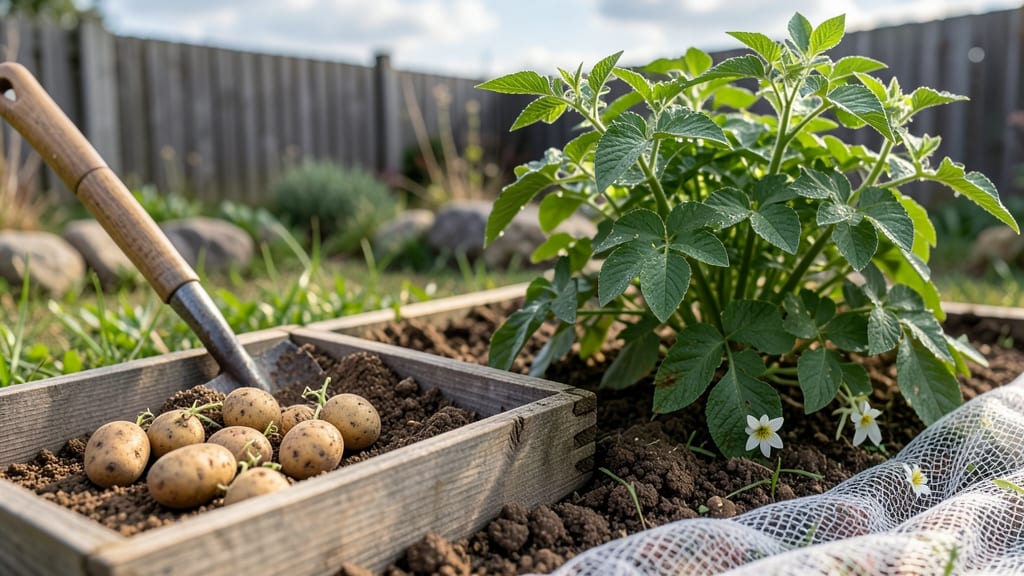
Timing when do you plant potatoes in Idaho isn’t just about the calendar—it’s about outsmarting frost, elevation shifts, and the state’s famously unpredictable spring weather. One wrong move, and you could lose your entire crop to a late freeze or miss the sweet spot for a bountiful harvest.
Idaho’s diverse zones (4b-7b) mean what works in Boise’s desert valleys fails in Coeur d’Alene’s cooler highlands.
Most gardeners swear by planting mid-April to early May, but that’s just the starting line. The real secret? Adjusting for your exact last-frost date, soil temperature (45°F+ is ideal), and whether you’re growing early varieties or late-season keepers.
Even a one-week delay can mean the difference between flourishing 🥔 hills and stunted tubers.
I’ve helped Idaho farmers and backyard growers dial in their planting windows for 20+ years, and the biggest mistake isn’t guessing—it’s ignoring soil prep. Rocky, well-drained earth and consistent moisture are non-negotiable, especially in hail-prone areas where a sudden storm can turn weeks of work into heartbreak.
Let’s break down the exact steps to plant potatoes in Idaho so you’re not left scrambling when the first frost warning hits.
You’ll learn how to calculate your personal planting window, spot common pitfalls (like planting too deep or skipping chitting), and even troubleshoot if frost catches you off guard.
By the end, you’ll know exactly when to stick those seed potatoes in the ground—and how to protect them once they’re there.
Idaho potato planting dates by region: frost-free zones explained
Idaho’s diverse geography—from the high-desert valleys of the south to the mountainous north—creates wildly different planting windows for potatoes. The USDA zones 4b-7b across the state mean your neighbors might plant weeks before or after you. Understanding these regional differences is key to avoiding frost damage or missed harvests.
Southern Idaho, including Boise, Twin Falls, and Pocatello, typically has warmer springs and later frosts. Gardeners here often start planting as early as mid-March, when soil temperatures reach 45°F.
Meanwhile, Northern Idaho (Coeur d’Alene, Sandpoint) waits until late April or early May due to colder microclimates and higher elevations.
Elevation plays a massive role: every 1,000 feet higher delays planting by about 1-2 weeks. For example, Moscow’s Palouse region (Zone 6a) might plant in early April, while Sun Valley (Zone 5b) waits until mid-April to avoid late frosts that can kill young sprouts.
Soil temperature, not air temperature, determines readiness. Use a soil thermometer to confirm 45-50°F at 4 inches deep. Cold soil slows sprouting, while warm soil (above 55°F) can cause seed potatoes to rot before emerging.
Here’s how Idaho’s three main regions break down for potato planting:
| Region | USDA Zone | Last Frost Date | Ideal Planting Window | Soil Temp Threshold |
|---|---|---|---|---|
| Southern Idaho (Boise, Twin Falls) | 6b-7b | Mid-April to early May | Mid-March to late April | 45-50°F |
| Central Idaho (Moscow, Payette) | 5b-6a | Late April to early May | Early April to mid-April | 45-50°F |
| Northern Idaho (Coeur d’Alene, Sandpoint) | 4b-5a | Early May to mid-May | Late April to early May | 45-50°F |
| Mountain Regions (Sun Valley, McCall) | 5a-6a | Mid-May to late May | Early May to mid-May | 45-50°F |
Note: Adjust planting dates 1-2 weeks later for elevations above 5,000 feet.
If you’re in a transition zone (like Lewiston or Hailey), err on the side of caution. Plant 2-3 weeks early in containers or raised beds, where you can protect young plants with frost cloths if needed. These setups also warm up faster in spring.
For late-season varieties (like Russet Burbank), push planting to early June in Southern Idaho to avoid heat stress during tuber formation. In Northern Idaho, stick to early-maturing varieties (e.g., Yukon Gold) planted by mid-May to ensure harvest before the first frost in October.
Pro tip: Check your local Cooperative Extension Service for hyper-local frost data. Idaho State University and University of Idaho both publish updated frost maps annually—these are gold for fine-tuning your schedule.
Remember, soil preparation matters just as much as timing. Idaho’s alkaline soils (common in the south) benefit from compost or peat moss to lower pH, while clay-heavy soils in the north need sand or perlite for drainage.
Test your soil in early spring to adjust pH to 5.0-6.5—potatoes thrive in slightly acidic conditions.
How to calculate your exact Idaho potato planting window
Determining the perfect potato planting window in Idaho isn’t just about guessing—it’s a science. I’ll walk you through my foolproof method using USDA frost maps, soil thermometers, and local weather patterns to pinpoint your personal planting dates with confidence.
This ensures your seed potatoes sprout when soil temps hit 45°F+ and avoids frost damage.
First, grab your local USDA frost map (Zone 4b-7b in Idaho). Note your last frost date—this is your deadline. For most Idaho regions, that’s mid-April to early May, but high-elevation areas like Sandpoint may wait until late May.
Plant your seed potatoes 4-6 weeks before this date to give them time to sprout before frost risk fades.
Next, test your soil temperature with a soil thermometer. Potatoes need 45°F+ to sprout consistently. In Southern Idaho’s valleys, soil warms faster—aim for early April planting. In Northern Idaho’s mountains, wait until late April or May when soil reaches 50°F+.
🌱Pro Tip: If your seed potatoes start sprouting before planting time, store them in a cool, dark place (like a basement) to slow growth. This prevents wasted sprouts and ensures energy is ready for planting.
📌 Your Idaho Potato Planting Timeline
- 6 Weeks Before Last Frost: Chit seed potatoes (place in light to sprout) if not pre-sprouted.
- 4-6 Weeks Before Last Frost: Plant seed potatoes 4" deep, 12" apart in rows 30" apart.
- After Last Frost: Mulch heavily (straw or grass clippings) to retain moisture and suppress weeds.
- When Flowers Appear: Hill soil around stems to encourage tuber formation.
- July-August: Harvest when foliage yellows or for new potatoes when tops are 6" tall.
Adjust for early-sprouting varieties like Yukon Gold (plant 2 weeks earlier) or late-season types like Russet Burbank (plant 2 weeks later). If you’re in a hail-prone area (like Boise), consider row covers to protect young plants.
Finally, check your local weather forecast for 10-day predictions. If a late frost is forecasted, delay planting by 1-2 weeks or use row covers for extra protection. This small adjustment can save your entire crop!