
Plants
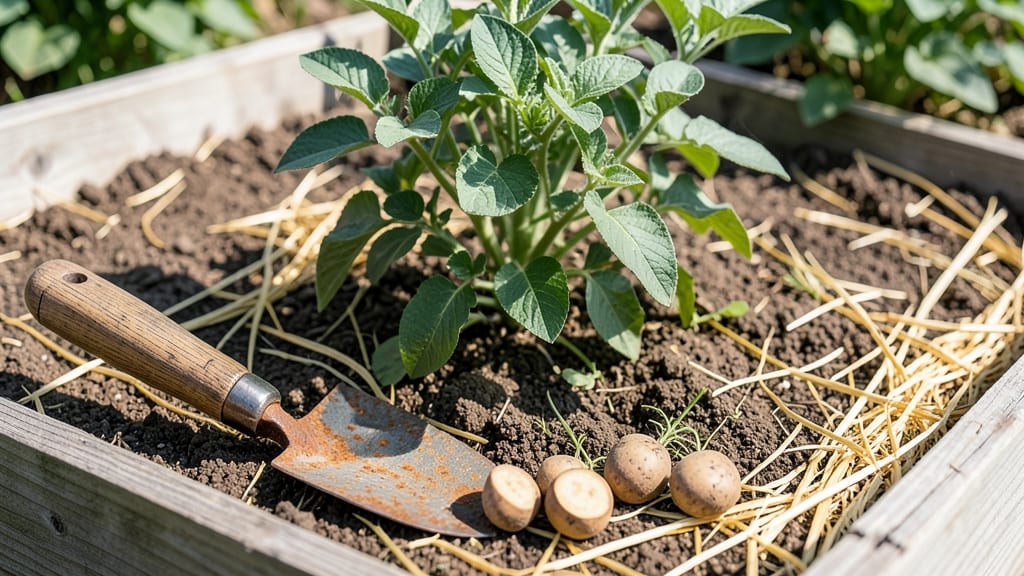
If you're wondering "when do you plant potatoes in Indiana", timing is the secret ingredient to a perfect harvest—or the fast track to disappointment.
Indiana’s chilly springs and unpredictable frost patterns mean planting too early can leave your 🥔 tubers rotting in cold soil, while waiting too long risks missing the ideal growing window entirely.
I’ve spent years growing potatoes in Indiana’s USDA Zones 5-6, and the difference between a bountiful yield and a meager one often comes down to those critical weeks before the last frost.
Whether you’re a first-time gardener or a seasoned green thumb, knowing the exact window—plus soil temperature tricks—can mean the difference between a garden full of golden spuds and a season of second-guessing.
In this guide, I’ll break down Indiana’s frost dates, soil prep tips, and the best varieties for your region—so you can plant with confidence and enjoy a harvest that rivals the freshest produce at the farmers' market. Let’s get those potatoes in the ground at the perfect time.
Ready to avoid the common mistakes that ruin Indiana potato harvests? You’ll learn how to time your planting like a pro, ensuring your 🥔 crop thrives from the first sprout to the last harvest.
Indiana's last frost dates: exact weeks before planting potatoes for maximum yield
Indiana's USDA zones 5-6 create a unique challenge for potato growers. The last spring frost varies dramatically between Northern Indiana (like Gary) and Southern Indiana (like Evansville), with a 2-3 week difference in planting windows.
Getting this timing right means the difference between rotten seed potatoes and a bountiful harvest.
Most Indiana gardeners aim to plant potatoes 2-4 weeks before the average last frost date. This window ensures soil temperatures reach 45-50°F, which is critical for sprouting.
In Northern Indiana, this typically means late April to early May, while Southern Indiana can start as early as mid-April.
Why timing matters: Potatoes planted too early in cold soil develop watery rot from fungal diseases. Planting too late risks small harvests or missed maturity before Indiana's first fall frost (usually mid-October in the north, early November in the south).
For maximum yield, consider Indiana's microclimates. Urban areas like Indianapolis often experience earlier last frosts than rural farmland, while lake-effect zones near Michigan can delay spring by 1-2 weeks. Always check local frost data from sources like the Indiana State Climate Office for precise timing.
Pro Tip: Use frost-free date calculators from Purdue Extension or the National Weather Service to pinpoint your exact planting window. These tools account for 30-year averages and local variations that matter for Indiana gardeners.
| Region | Avg. Last Frost Date | Ideal Planting Window | Soil Temp. Requirement | Key Varieties |
|---|---|---|---|---|
| Northern Indiana (Gary, South Bend) | May 10-15 | April 25 - May 5 | 45-50°F | Kennebec, Red LaSoda |
| Central Indiana (Indianapolis) | April 25 - May 5 | April 10 - April 20 | 45-50°F | Yukon Gold, Fingerling |
| Southern Indiana (Evansville) | April 10-15 | March 25 - April 10 | 45-50°F | Adirondack Red, Purple Viking |
| Lake Effect Zones (Michigan Border) | May 15-20 | May 1 - May 10 | 45-50°F | Katahdin, Russian Banana |
Note: Adjust planting dates 1-2 weeks later for high-altitude areas above 800 ft.
Understanding your local frost patterns is key. For example, Northern Indiana gardeners should wait until mid-May for early varieties like Red Pontiac, while Southern Indiana can start Yukon Gold as early as <
Step-by-step potato planting schedule for Indiana’s climate zones
Indiana’s USDA zones 5-6 mean your potato planting schedule depends on whether you’re in Northern Indiana (cooler) or Southern Indiana (warmer). For most regions, aim to plant 2-4 weeks before the last frost, but soil temperature matters more than calendar dates.
Use a soil thermometer—potatoes thrive when soil reaches 45°F (7°C).
Early varieties like Yukon Gold or Red Pontiac can handle cooler soils, while late varieties like Russet need warmer conditions. Start seed potatoes indoors in biodegradable pots 4-6 weeks before your target outdoor planting date if frost lingers. This gives you a head start on the growing season.
Here’s your month-by-month Indiana potato planting guide, tailored to local climate zones:
March (Northern Indiana) / February-March (Southern Indiana)
Action: Chit seed potatoes indoors (place in bright light, 60-65°F).
Soil Prep: Test pH (aim for 5.0-6.5), add compost.
Late April (Northern) / Early April (Southern)
Action: Plant outdoors when soil hits 45°F. Use 2-3 inch deep trenches, 12 inches apart.
Spacing: Place seed potatoes 12 inches apart in rows.
May-June
Action: Hill soil around stems when plants reach 6 inches tall. Repeat every 2-3 weeks.
Fertilizer: Apply 5-10-10 NPK at planting, then again in June.
July-August
Action: Monitor for blight. Harvest new potatoes when flowers appear.
Full harvest: When foliage yellows (90-120 days after planting).
September (Optional)
Action: Plant fall potatoes (like Kennebec) 2-3 weeks before first frost for winter harvest.
Note: Use black plastic mulch to warm soil faster.
Pro tip: Mark your planting date on a garden calendar to track days to maturity. For example, if you plant Russet potatoes (90-day variety) on April 15, aim to harvest by July 15.
Adjust for early vs. late varieties—plant Yukon Gold (75 days) first for a staggered harvest.
Indiana’s variable spring weather means flexibility is key. If frost threatens after planting, cover rows with frost cloth or straw mulch. For container growing, use large pots and plant 1-2 weeks later than in-ground to avoid cold soil.