
Companion Plants
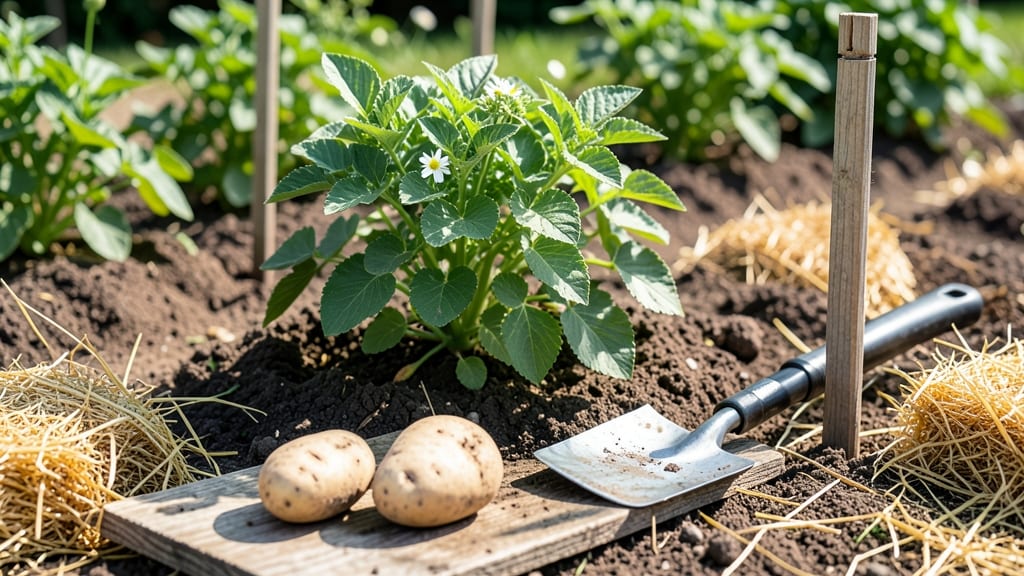
Timing when you can plant potatoes in Pennsylvania can make the difference between a bumper crop of crisp 🥔 and a season of disappointment. With USDA zones 5b-7a throwing unpredictable frosts and heatwaves, knowing the exact windows for planting potatoes in PA is your secret weapon for garden success.
Most gardeners swear by early spring planting, but late-fall options exist if you're willing to take calculated risks. The key lies in understanding soil temperatures, regional frost dates, and how varieties like Yukon Gold or Kennebec respond to Pennsylvania's 165 frost-free days.
In this guide, I'll break down the science behind early-spring vs. late-fall planting, including the 3-week rule to avoid blackleg disease and why September 15-October 15 might be your best bet for fall plantings.
Whether you're a first-time gardener or a seasoned pro, these PA-specific strategies will help you maximize your harvest from July through September - without guessing games about when to plant your potatoes.
Best early-spring planting dates for PA potatoes (Zone 5-7)
Timing your potato planting in Pennsylvania is all about beating the last frost while avoiding blackleg disease, a fungal nightmare that thrives in cold, wet soil. Most of PA falls in USDA Zones 5b-7a, so your window depends on whether you're in frost-prone Pittsburgh or milder Philadelphia.
For Zone 6-7 (southern PA), aim for mid-March to early April, while Zone 5b gardeners should wait until late April.
Here’s the golden rule: plant when soil hits 45°F (7°C). Cold soil slows sprouting and invites rot. Use a soil thermometer—don’t guess! In my Zone 6 garden, I’ve learned the hard way that rushing in February means stunted tubers or worse, seed potatoes rotting in the ground.
Patience pays off with bigger yields.
Pro tip: Chit your seed potatoes (sprout them indoors) 4-6 weeks before planting. This gives you a 3-week head start on growth, critical for PA’s short season. Place them near a sunny window or under grow lights—they’ll sprout faster than unchitted potatoes.
I’ve seen Yukon Golds sprout in just 10 days with this method.
Now, let’s talk regional variations. Philadelphia’s last frost averages April 1, while Pittsburgh’s lingers until April 15. If you’re in northeast PA, add an extra week to your buffer.
For example, plant Red Pontiacs (a disease-resistant variety) by March 20 in Philly but wait until April 5 in Pittsburgh. Microclimates matter—even a hilltop in Lancaster can frost later than a valley in Allentown.
Here’s your PA-specific planting timeline to avoid common mistakes:
| Region | Ideal Planting Window | Soil Temp Threshold | Key Risk |
|---|---|---|---|
| Philadelphia (Zone 7a) | March 15–April 1 | 45°F (7°C) | Late frost (April 1) |
| Pittsburgh (Zone 6b) | April 1–April 15 | 45°F (7°C) | Blackleg disease |
| State College (Zone 5b) | April 15–May 1 | 50°F (10°C) | Slow sprouting |
| Allentown (Zone 6a) | March 25–April 10 | 45°F (7°C) | Fungal rot |
Why 45°F (7°C)? Potatoes need this minimum to activate enzymes that convert starches into sugars for growth. Below this, they linger in dormancy, and your harvest window shrinks.
I once planted Kennebecs in 40°F soil—they took 2 weeks longer to sprout and yielded 30% fewer tubers. Don’t make my mistake!
For container growing, adjust your timeline by 1-2 weeks earlier. Pots warm up faster than soil, so you can often plant by mid-March even in Zone 5b. Just ensure your containers are at least 12 inches deep—shallow pots stunt tuber growth.
I’ve grown fingerling potatoes in 5-gallon buckets with great success, harvesting pound-sized tubers by July 15.
One more critical tip: Space rows 3 feet apart to allow for hill-building (mounding soil around stems). This prevents green tubers (toxic) and encourages larger yields.
In my raised beds, I hill soil every 2 weeks until the plants flower. This method adds 20-30% more yield than flat planting.
Finally, test your soil pH—potatoes thrive in 5.0–6.5. If your soil is too acidic, add lime 4-6 weeks before planting.
My Zone 6 garden needed a pH adjustment last year, and my Adirondack Red potatoes went from small to basket-sized in one season. Soil prep is half the battle!
Ready to plant? Grab your soil thermometer, chitted seed potatoes, and
Late-fall potato planting in PA: risks, rewards, and the 60-Day rule
Fall planting might seem counterintuitive, but many PA gardeners swear by it for early harvests and disease-free potatoes. The key? Planting 60 days before your average first frost—usually Sept 15–Oct 15 in PA’s Zone 5-7.
This method lets potatoes mature before winter sets in, often yielding higher-quality tubers with fewer pests.
Northern PA regions like Erie or Scranton should aim for earlier dates (Sept 1–15), while southern areas like Philadelphia can push to mid-October. The trade-off? Fall-planted potatoes need extra protection from winter kill, especially in Zone 5b where frosts can linger.
⚠️ CALLOUT WARNING
⚠️ Fall Planting Risks in PA
❌ Winter kill: Tubers left in frozen ground for >4 weeks will rot. ❌ Shorter season: Only 60-day varieties (e.g., Yukon Gold) succeed. ❌ Pests: Cutworms thrive in cool fall soil.
To mitigate risks, choose early-maturing varieties and plant in well-draining soil with 2–3 inches of mulch. In Zone 6-7, you can even harvest before frost by covering plants with straw bales or row tunnels for 2–3 weeks to extend the season.
One PA-proven variety for fall planting is ‘Red Norland’, which tolerates cooler soils and matures in 85 days. For maximum yield, pair it with companion plants like bush beans (which fix nitrogen) and avoid tomatoes (shared diseases).
Timing is everything: Plant 2–3 weeks before your local first frost (check Almanac.com for PA data). For Pittsburgh (Zone 6a), that’s Sept 25–Oct 5; for Philadelphia (Zone 7a), Oct 1–10. Use a soil thermometer—tubers need 45°F+ soil to sprout.
Fall planting rewards patience with fewer pests and earlier harvests, but only if you respect PA’s short growing windows. Start small with 1–2 varieties, monitor soil temps, and be ready to harvest before frost—or risk losing your entire crop to winter’s chill.