
Plants
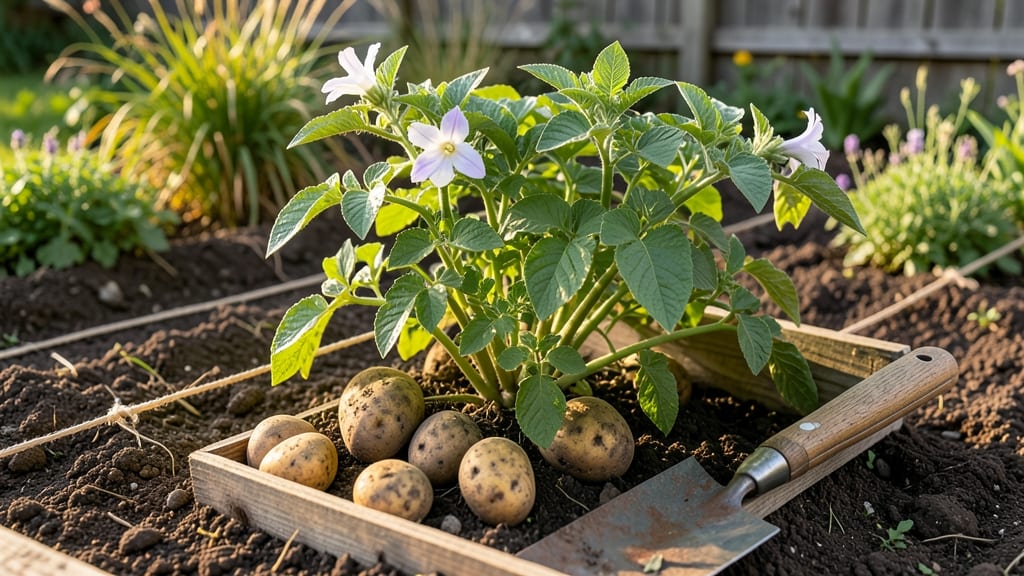
Planting potatoes in Florida isn’t just about picking a month—it’s about outsmarting your region’s quirks to avoid frost, humidity, and soil struggles. Whether you’re in frost-prone North Florida or the frost-free South, timing matters more than you think.
Most gardeners assume spring is the only window, but Florida’s 9a-11 climate lets you grow potatoes year-round with the right strategy. The key? Planting in September-October for fall harvests or February-March for spring yields—both timings align with soil warmth and humidity levels.
Why does this matter? Because planting too early risks frost damage in North Florida, while waiting too late in South Florida can lead to disease-prone heat stress. I’ll show you exactly how to sync your planting with Florida’s microclimates for zero-frost harvests.
Ready to grow homegrown 🥔 without the guesswork? Let’s break down the science—and avoid the costly mistakes most Florida gardeners make.
Florida’s 3 microclimates and their ideal potato planting windows
Florida’s diverse microclimates mean your potato planting window depends on whether you’re in the Panhandle, Central Florida, or the Keys. Unlike northern states, Florida’s USDA zones 9a-11 let you grow potatoes year-round—but timing is everything to avoid frost damage or disease outbreaks.
Let’s break down the best months for each region and why they matter.
The North Florida Panhandle (e.g., Tallahassee, Gainesville) has the shortest frost-free window, with last frosts in mid-January and rare first frosts in December. This means you must plant after February 15 to avoid chilling injury.
In contrast, South Florida (Miami, Key West) has no frost risk, allowing year-round planting with peak yields in fall and spring.
Central Florida (Orlando, Tampa) falls in between, with cooler winters that require earlier spring plantings (late January) and fall plantings by September 15. The key? Soil temperature—potatoes need 45°F+ soil to sprout, which happens earlier in South Florida than in the Panhandle.
| Region | USDA Zone | Best Planting Months | Soil Temp Requirement | Frost Risk |
|---|---|---|---|---|
| North Florida (Panhandle) | 9a-8b | February–March September–October |
45°F+ | ❄️ High (Jan–Dec) |
| Central Florida | 9a-9b | January–February August–September |
50°F+ | ❄️ Low (Dec–Jan) |
| South Florida (Keys/Miami) | 10a-11 | Year-round (Peak: Feb–Mar, Sep–Oct) |
55°F+ | ❄️ None |
🌱 Pro Tip: Use black plastic mulch in North Florida to warm soil faster.
For North Florida gardeners, focus on early-maturing varieties like Red Pontiac (90 days) or Yukon Gold (100 days) to harvest before summer heat sets in. In Central Florida, you can stretch your season with two plantings: one in late January and another in early September.
Meanwhile, South Florida growers can plant year-round but prioritize fall (September–October) for cooler harvests and spring (February–March) to avoid summer blight.
Another critical factor is humidity. Florida’s high humidity increases the risk of potato scab and late blight, so choose disease-resistant varieties like Kennebec or Russet Burbank if you’re in Central or South Florida.
In North Florida, sandy soils drain faster, reducing disease risk—but you’ll need to water more frequently during dry spells.
Don’t overlook coastal vs. inland differences. Coastal areas (e.g., St. Augustine, Clearwater) have milder winters and can plant 2–4 weeks earlier than inland zones. Use a soil thermometer to confirm 45°F+ soil temps before planting—this is your green light to start.
If you’re in North Florida and want a fall harvest, aim for September 1–15 planting to harvest by December before cooler temps slow growth. For spring plantings, wait until after March 1 to avoid late frost.
In South Florida, you can even plant in December for a summer harvest, but expect smaller yields due to heat stress.
One common mistake is planting too early in North Florida and risking frost damage to emerging sprouts. Always check the National Weather Service’s frost predictions for your area. For example, Tallahassee’s last frost averages January 15, so hold off until February 1 to be safe.
For organic gardeners, consider cover cropping with clover or rye in winter months to improve soil structure before planting. This is especially helpful in sandy soils, which drain too quickly for potatoes.
Add compost or well-rotted manure 2–4 weeks before planting to boost phosphorus levels, critical for tuber formation.
Finally, remember that Florida’s humidity means fungal diseases thrive. Space your potato hills 3 feet apart and avoid overhead watering to keep foliage dry. If you’re in South Florida, shade cloth during peak
Step-by-step planting calendar for Florida’s short-day varieties
Florida’s long growing season lets you plant potatoes twice a year, but timing matters. For spring harvests, aim for February–March in North Florida or January–February in South Florida. For fall harvests, September–October works best statewide. Short-day varieties like Yukon Gold and Red Pontiac thrive in Florida’s climate.
Start by chitting seed potatoes (placing them in light to sprout) 4–6 weeks before planting. This gives you a head start, especially in cooler regions like the Panhandle. Use well-draining soil—Florida’s sandy soils need extra compost to retain moisture and nutrients.
- Prep Soil: Test pH (aim for 5.0–6.5); amend with compost or aged manure. February 1–15 (spring) or August 15–30 (fall).
- Plant Seed Potatoes: Cut potatoes into 2-inch chunks with 2–3 eyes each. Bury 4–6 inches deep in rows 12–18 inches apart.
- Water Deeply: Soak soil after planting to encourage root growth. Morning watering prevents fungal diseases like blight.
- Mulch: Apply 2–3 inches of straw to retain moisture and suppress weeds. Replenish as needed.
- Fertilize: Use a 5-10-10 NPK fertilizer 4–6 weeks after sprouting. Avoid nitrogen-heavy feeds late in the season.
- Hill Soil: Pile soil around stems when plants reach 6 inches tall. Repeat every 2–3 weeks to prevent greening.
- Harvest: Dig when foliage yellows (90–120 days after planting). Cure tubers in dark, humid conditions for 1–2 weeks.
For continuous harvests, stagger plantings every 2–3 weeks. For example, plant a batch in February, another in March, and a final one in April for a summer-long supply. This works especially well in Central and South Florida, where frost isn’t a concern.
Organic gardeners can replace synthetic fertilizers with compost tea or fish emulsion, but monitor growth closely. Florida’s humidity demands vigilance—rotate crops yearly to prevent potato scab and verticillium wilt, common in reused beds.
Pro tip: If you’re in North Florida, protect early plantings with frost cloth during unexpected cold snaps. Even a light freeze can stunt growth or introduce rot. South Floridians can push boundaries and plant as late as November for a holiday harvest.
Remember, Florida’s microclimates mean your neighbor’s success might not mirror yours. Adjust based on your USDA zone (9a–11) and local weather patterns. With the right timing, you’ll enjoy homegrown potatoes from spring to fall—no grocery store needed! 🥔