
Plants
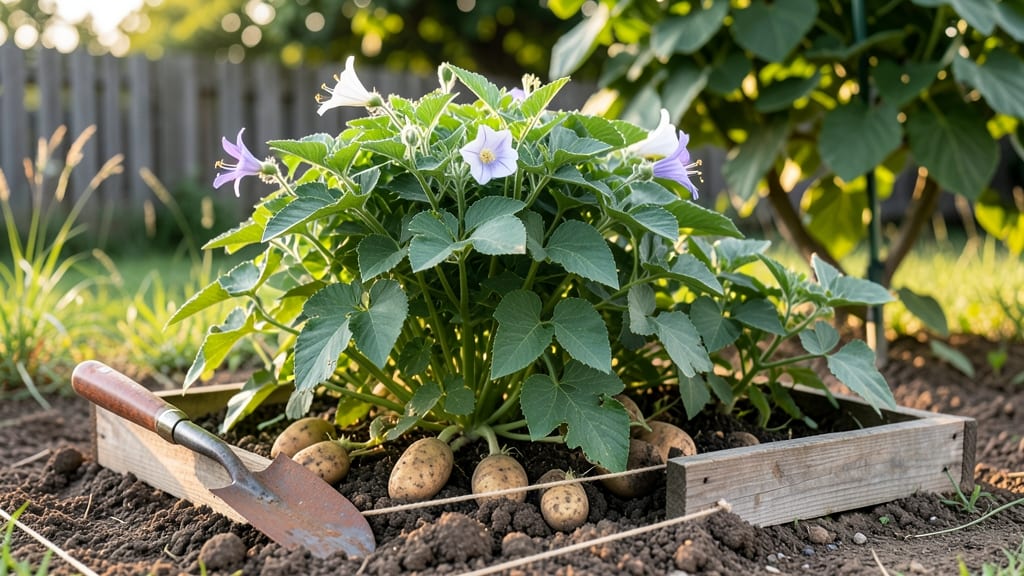
If you've ever wondered when to plant potatoes in Zone 8, timing is everything—because getting it wrong could mean the difference between a bountiful harvest of crisp, golden 🥔 and a sad pile of shriveling spuds.
Zone 8 gardeners have a unique advantage with its mild winters and long growing season, but even here, late frosts or scorching heat can ruin your crop if you plant at the wrong time.
The key is knowing when the soil warms enough for those little sprouts to wake up and when to avoid the frost window that stretches from December to January.
In this guide, I’ll break down the perfect planting windows for both spring and fall crops, plus pro tips to extend your season without risking frost damage.
Whether you're a first-time gardener or a seasoned grower, you’ll learn exactly when to stick those potatoes in the ground for the best results.
Ready to turn your garden into a potato powerhouse? Let’s dig in—literally—and get those spuds growing like they’re on a mission to feed your family all year.
Zone 8 potato planting timeline: exact dates based on frost risk
In Zone 8, where winters are mild but late frosts can still sneak in, timing your potato planting is everything. The key is planting 4-6 weeks before your last frost date—typically between mid-February and early March for spring crops.
For fall planting, aim for late August to early September to allow tubers to mature before winter sets in.
Zone 8’s average last frost date usually falls around January 15, but microclimates can shift this by weeks. For example, coastal areas may have earlier frost dates, while inland regions could face delays.
Always check your local USDA frost map or plant when soil reaches 45°F (7°C)—the minimum for germination.
Here’s the critical timeline: Plant early varieties (60-90 days to harvest) in February for a spring harvest, or late varieties (90-120 days) in September for a winter harvest. Miss these windows, and you risk frost damage or overripe tubers that turn mushy.
🌱
| Stage | Action | Zone 8 Timing |
|---|---|---|
| Soil Prep | Test pH (5.0-6.5), add compost | January-February |
| Chitting | Expose seed potatoes to light for sprouts | 4-6 weeks before planting |
| Planting | 4" deep, 12" apart, hills | Feb 15-Mar 15 (spring) or Aug 20-Sep 10 (fall) |
| Germination | Wait for soil >45°F | 2-4 weeks post-planting |
| Harvest | Dig when foliage yellows | April-May (spring) or Nov-Dec (fall) |
If you’re planting in late winter (January), use row covers to protect young sprouts from unexpected frosts. Conversely, fall-planted potatoes need to be harvested before first frost (Dec 15)—or risk tubers turning to mush in cold soil.
Always prioritize well-draining soil to prevent rot, especially in Zone 8’s occasional heavy rains.
Pro tip: Use a soil thermometer to confirm readiness. Potatoes won’t sprout until soil hits 45°F (7°C), even if air temps are warmer. Rushing planting in cold soil leads to rotten seed potatoes and wasted effort.
For succession planting, stagger your crops every 2-3 weeks in spring to extend harvests. This works best with fast-maturing varieties like Red Norland (70 days) or Yukon Gold (90 days). Avoid planting late-season varieties like Russet Burbank after August 1—they won’t mature before frost.
Zone 8’s long growing season (240 frost-free days) is a gardener’s dream, but it demands precision. Plant too early, and you’ll deal with wireworm damage; too late, and tubers won’t bulk up. Strike the balance, and you’ll enjoy homegrown spuds from spring through winter!
✂️
Zone 8 potato planting timeline: exact dates based on frost risk
In Zone 8, where frost can linger until mid-January or arrive as early as mid-December, timing your potato planting correctly is everything. The key is to plant when soil temperatures hit 45°F+—cold enough to avoid rot but warm enough for germination.
For most of Zone 8, this means starting 4-6 weeks before your last frost date, typically between late February and early March for spring plantings.
Zone 8’s microclimates complicate things—coastal areas (like Southern California) may see warmer soils by January**, while inland regions (like Arizona) might need to wait until mid-March.
Always check your local USDA frost map or plant test tubes in the soil to confirm readiness. A soil thermometer is your best friend here.
| Stage | Action | Soil Temp | Zone 8 Window |
|---|---|---|---|
| Chitting | Expose seed potatoes to light for sprouts | 60-65°F | Jan-Feb |
| Planting | 4" deep, 12" apart | 45°F+ | Late Feb-Early Mar |
| Harvest | When foliage dies back | N/A | May-June |
| Fall Planting | For late varieties | 55°F+ | Sep-Oct |
For fall plantings in Zone 8, aim for September to October—this lets you harvest before the first frost hits in December. Choose fast-maturing varieties (like Red Norland) for fall, as they need 60-80 days to mature.
Always plant 6-8 weeks before your first frost date to ensure tubers develop before cold sets in.
Pro tip: Use black plastic mulch to warm soil faster in early spring plantings. This can shave 2-3 weeks off your planting timeline by raising soil temps by 5-10°F. Just remove it once sprouts emerge to prevent overheating.
If you’re in a warmer microclimate (like Zone 8b/9a), you can even try January plantings for an early harvest. Monitor soil temps closely—if they dip below 40°F, germination stalls, and your potatoes may rot before sprouting.
Remember, Zone 8’s long growing season is your advantage. By mastering these planting windows, you can enjoy two harvests per year—spring and fall—without frost risk. Start with small test batches to refine your timing before going all-in on a full garden bed.