
Plants
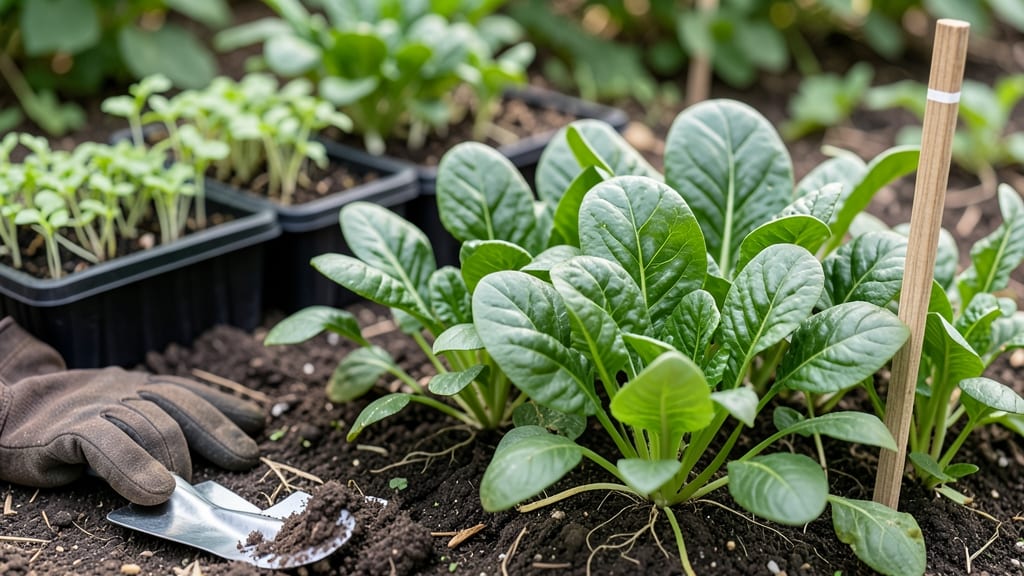
If you’ve ever wondered when do you plant mustard greens in Louisiana, the answer lies in mastering timing—especially in the heat-sensitive zones of 8a-9b. The difference between a thriving fall garden and a failed spring attempt often comes down to knowing when to plant these delicate greens.
Most gardeners in Louisiana plant mustard greens in September-October for a perfect fall harvest, but there’s a trick to extending your growing window. By leveraging Louisiana’s mild winters, you can also plant in February-March for a spring crop—just avoid the summer heat at all costs.
The key is understanding how your specific heat zone affects growth.
In this guide, I’ll break down the exact planting windows for Louisiana, including soil prep tips and how to work with the region’s unique climate. You’ll learn which months to prioritize, how to prevent bolting, and even how to squeeze in a second harvest if you time it right.
Ready to turn your garden into a year-round mustard green powerhouse? Let’s dive into the strategies that actually work for Louisiana’s 8a-9b zones—no more wasted seeds or bitter surprises.
Louisiana’s mustard greens planting calendar: heat-Zone-specific timing
Louisiana’s USDA zones 8a-9b offer a unique advantage for growing mustard greens: mild winters and long growing seasons. But the key to success lies in timing. Plant too early, and your greens will bolt from summer heat; too late, and you’ll miss the sweet spot for tender harvests.
The ideal planting windows depend on whether you’re aiming for a fall crop or a spring harvest, with adjustments for Louisiana’s regional microclimates.
Most Louisiana gardeners focus on fall plantings because the cooler temperatures prevent bolting and allow for a full harvest before winter. However, late winter plantings can also yield excellent results, especially in Zone 9a and 9b, where winters are milder.
Understanding these windows ensures you avoid the pitfalls of Louisiana’s humidity and heat stress, which can turn your mustard greens bitter or stunted.
🌱 Key Takeaway: The best time to plant mustard greens in Louisiana is late summer to early fall (August through October) for a fall harvest, or February to early March for a spring crop. These windows align with soil temperatures that are cool enough to prevent bolting but warm enough for quick germination.
For Zone 8a gardeners in northern Louisiana (like Shreveport), focus on September plantings to harvest before the first frost, typically around November 15.
In contrast, Zone 9b gardeners in New Orleans can extend their season into early December or even attempt a late winter planting in February for a spring harvest. The key is to plant 6-8 weeks before the first frost to ensure your greens mature before cold snaps hit.
If you’re in a transition zone (like Lafayette or Baton Rouge), aim for mid-September plantings to balance the risk of early heat stress and late-season frost.
These areas benefit from succession planting: sow seeds every 2-3 weeks from September through October to stagger your harvest and avoid a glut of greens at once.
One common mistake Louisiana gardeners make is planting too early in spring. Mustard greens are cool-season crops, and temperatures above 75°F trigger bolting (when the plant flowers prematurely).
Even in Zone 9b, planting in March or April without shade can lead to bitter, inedible greens. Instead, wait until February or use shade cloth to protect seedlings.
Soil temperature is just as critical as air temperature. Mustard greens germinate best in soil that’s 55-75°F. In Louisiana’s heat, this means avoiding summer plantings unless you’re using row covers or shade.
Test your soil with a soil thermometer before planting—if it’s above 75°F, wait a few weeks or use mulch to cool the soil.
Pro tip: Direct sow seeds rather than transplanting seedlings. Mustard greens have delicate roots and transplant poorly, leading to stunted growth. Scatter seeds ½ inch deep and 1 inch apart in rows 12-18 inches apart.
Thin seedlings to 6 inches apart once they’re 2 inches tall to give them room to grow and reduce competition.
Finally, don’t overlook the regional pest calendar. In Louisiana, cabbage loopers and flea beetles are common pests for mustard greens, especially in fall plantings. Monitor your plants and use row covers or organic sprays like neem oil if pests appear.
With the right timing and care, you’ll enjoy bold, flavorful mustard greens straight from your Louisiana garden! 🌿
5 Heat-Zone hacks to grow mustard greens in Louisiana’s extreme climate
Louisiana’s humid heat and sweltering summers can turn mustard greens into a bitter, bolting nightmare—but with the right strategies, you can extend your growing season and enjoy bold, tender harvests year-round.
The key? Heat management and smart variety selection. Here are my top 5 heat-zone hacks to keep your mustard greens thriving in Louisiana’s climate.
First, choose heat-tolerant varieties like ‘Southern Giant Curled’ or ‘Tendergreen’, bred to handle Louisiana’s 90°F+ temperatures without bolting prematurely. These varieties stay juicy and mild, even when other greens turn tough or bitter.
For extra protection, plant in partial shade during peak summer months—use 30-50% shade cloth to block direct afternoon sun while still allowing morning light for photosynthesis.
Mulching is non-negotiable in Louisiana’s heavy clay soils. Apply a 3-4 inch layer of straw or pine needles to regulate soil temperature, keep roots cool, and reduce evaporation. This simple step can extend your growing season by 4-6 weeks and prevent heat stress that leads to yellowing leaves or stunted growth. Plus, mulch suppresses weeds, giving your mustard greens a competitive edge in the garden.
🌱 Visual Tip: Use this **heat-management