
Lawn
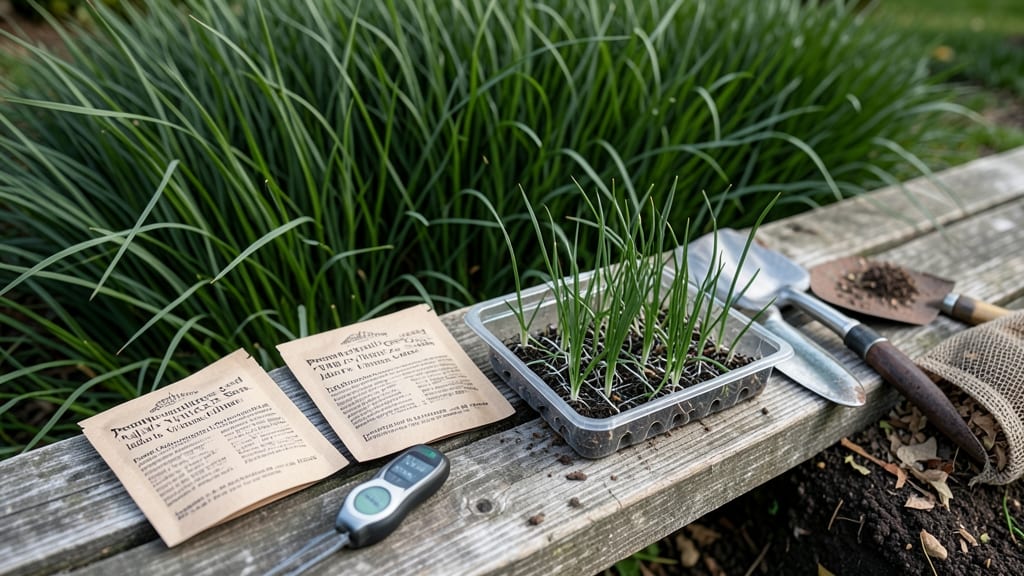
Timing your grass seed planting in Virginia right can mean the difference between a vibrant lawn and months of frustration—especially with the state's unpredictable spring weather and diverse microclimates.
Whether you're tackling a new backyard or repairing patchy spots, getting the timing wrong can leave your seeds struggling against heat, drought, or even late frosts.
I’ve seen firsthand how early spring (March-April) and early fall (August-September) are the sweet spots for Virginia’s USDA Zones 6a-8a. These windows give seeds the perfect balance of moisture, cooler temperatures, and fewer weeds to compete with.
But don’t worry—we’ll break down exactly how to adjust for your specific corner of the state, from the Coastal Plain to the Appalachian Plateau.
You’ll also learn how to prep your soil for success, avoid common pitfalls like planting too early or late, and keep your new 🌱 grass thriving once it’s down. Let’s make sure your lawn gets off to the best possible start.
The key is understanding your local frost dates, soil temperature, and even the type of grass you’re planting. By the end of this guide, you’ll know exactly when to grab your seeds, rake, and water for a lawn that’s the envy of your neighborhood.
Best planting months for Virginia grass seed by microclimate Zone
Virginia’s diverse geography—from the humid Coastal Plain to the cooler Appalachian Plateau—means one planting window doesn’t fit all. The best time to plant grass seed depends on your USDA hardiness zone (6a-8a) and whether you’re growing cool-season or warm-season grasses.
For most Virginia lawns, early spring (March-April) and early fall (August-September) are ideal, but timing shifts slightly by region.
Cool-season grasses like Kentucky bluegrass and tall fescue thrive when soil temperatures hover between 50-65°F. Warm-season varieties such as Bermuda grass and Zoysia need warmer soil (65-75°F) to germinate. Planting outside these ranges risks poor germination or dormancy due to extreme heat or cold.
In Zone 6a (e.g., Shenandoah Valley), aim for late March to early April in spring and mid-August to late September in fall. Zones 7a-8a (e.g., Richmond, Norfolk) can start slightly earlier—February-March for spring and July-August for fall—thanks to milder winters and longer growing seasons.
Here’s how Virginia’s five microclimates break down for optimal planting:
For example, if you’re in Richmond (Zone 7b), planting in late February risks frost damage, while early April ensures soil warmth and moisture. Conversely, Roanoke (Zone 6b) should wait until April to avoid late-spring frosts that can kill young seedlings.
Fall planting offers a second chance for a thicker lawn, as cooler temperatures reduce weed competition and stress on new grass. The key is to plant 4-6 weeks before the first frost—typically mid-August to early September for most of Virginia.
This gives grass time to establish roots before winter dormancy.
Pro tip: Use a soil thermometer to confirm temperatures before planting. Cool-season grasses need soil at least 50°F, while warm-season varieties require 65°F+. If your soil is too cold, wait—patience now prevents patchy germination later.
Remember, Virginia’s last frost dates vary wildly: March 15 in Norfolk vs. April 15 in the mountains. Check your local Cooperative Extension Service for hyper-local advice—your neighbor’s timing might not work for your yard!
Soil temperature & moisture requirements for successful germination
Getting your soil temperature and moisture levels right is the secret to germination success—especially in Virginia’s shifting spring and fall weather. Most cool-season grasses (like Kentucky bluegrass) thrive when soil temps hover between 50-65°F, while warm-season varieties (like Bermuda grass) need 65-75°F to sprout reliably.
Planting too early or late can leave seeds dormant or vulnerable to disease.
I’ve learned the hard way that cold, wet soil in early spring can smother seeds, while hot, dry ground in late summer will bake them before they sprout. The key is timing your planting to match these temperature thresholds—not just the calendar month.
For example, March-April often works for cool-season grasses, but if your soil stays below 50°F, wait another week or two.
Here’s how to test your soil’s readiness: Stick a soil thermometer 2-3 inches deep in the ground on a sunny afternoon. If the reading matches your grass type’s ideal range, it’s time to plant.
Pro tip: Morning soil temps (measured at dawn) are usually 5-10°F cooler than afternoon readings—account for this when checking.
Moisture is just as critical. Grass seeds need consistent moisture to germinate, but waterlogged soil can suffocate them. Aim for 0.5–1 inch of water per week during germination, applied in light, frequent waterings (like a daily mist in the morning).
Overhead sprinklers work best, but avoid heavy downpours that can wash seeds away.
One of my biggest mistakes? Skipping the soil prep step. Before planting, loosen the top 2–3 inches of soil with a rake or tiller to improve aeration and water penetration. Mix in a light layer of compost to boost organic matter—this helps retain moisture and provides nutrients as seeds sprout.
If your soil feels clay-heavy or sandy, amend it with peat moss or compost to create the ideal seedbed.
🌱 Did you know? Virginia’s Coastal Plain (like Norfolk) often warms up 2–3 weeks earlier than the Blue Ridge Mountains (like Roanoke). Use a local weather station or ask your county extension office for hyper-local soil temp data to fine-tune your planting window.
🌱 Grass Seed Germination Requirements
| Grass Type | Ideal Soil Temp (°F) | Moisture Needs | Germination Time |
|---|---|---|---|
| Cool-Season (Kentucky Bluegrass, Fescue) | 50–65°F | Consistent, light watering | 7–14 days |
| Warm-Season (Bermuda, Zoysia) | 65–75°F | Deep, infrequent watering | 10–21 days |
| Transition Zone (Tall Fescue) | 55–70°F | Moderate moisture | 14–28 days |
Pro Tip: Use a seed starter fertilizer (low nitrogen) to give seedlings a nutrient boost without burning tender roots. 🌱
If you’re planting in fall, aim for August-September when soil temps start dropping but before the first frost. This gives seeds time to germinate and establish roots before winter dormancy.
In spring, wait until after the last frost date for your area—planting too early can leave seedlings vulnerable to late frosts or cold snaps.
Finally, monitor your lawn closely after planting. If seeds aren’t sprouting within 2–3 weeks, check for uneven moisture, poor soil contact, or temperature swings.
Adjust your watering or wait for more stable conditions. Patience is key—rushing the process often leads to patchy, weak grass that struggles to compete with weeds.