
Plants
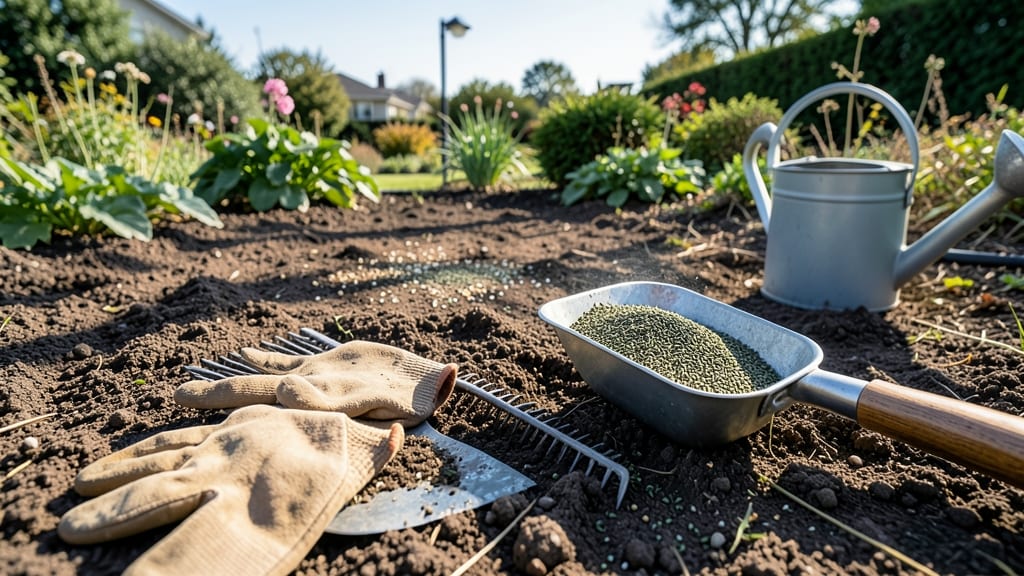
Timing your grass seed planting just right in spring can mean the difference between a lush, vibrant lawn and a patchy, struggling one. The secret trigger most gardeners miss isn't just the calendar date—it's understanding when your soil is truly ready for that 🌱 seed to take root.
If you've ever planted grass only to watch it struggle through hot spells or fail to germinate properly, you're not alone. The key lies in waiting for the perfect window when soil temperatures hit that sweet spot—50°F to 65°F—where seeds wake up from dormancy and start growing strong.
For Zone 6a gardeners like me, this usually falls between early April and mid-May, but there's more to it than just picking a date.
What if I told you that planting too early or too late could leave your lawn fighting an uphill battle? Cool-season grasses need that early spring edge, while warm-season varieties prefer to wait until after the last frost.
Let me walk you through exactly how to read your soil's signals and pick the best moment for your specific grass type.
From testing soil temperature to adjusting for unexpected weather, we'll cover everything you need to know to give your grass the optimal start. Ready to transform that bare patch into a green carpet? Let's get started.
Optimal soil temperature ranges for spring grass seed germination
Most gardeners focus on the calendar when planting grass seed, but the real game-changer is soil temperature. Cool-season grasses like Kentucky Bluegrass and Fescue thrive when soil warms to 50°F–60°F, while warm-season varieties such as Bermuda and Zoysia need 65°F–75°F.
Planting too early or late can leave your lawn patchy and weak.
Regional differences matter too. Northern climates may see ideal conditions in early April, while Southern regions can start as early as February. Always check local last frost dates and adjust accordingly—cool-season grasses planted too late may struggle to establish before summer heat sets in.
Testing soil temperature is simple: use a soil thermometer (or a meat thermometer) inserted 2 inches deep in the soil. Early mornings are best for accurate readings, as afternoon sun can skew results. If temperatures fluctuate, wait for a 3-day stable period before planting.
Here’s why soil temperature matters: grass seeds need consistent warmth to activate enzymes that trigger germination. Too cold, and seeds remain dormant; too hot, and they may dry out before sprouting. Aim for consistent moisture alongside the right temperature for best results.
| Grass Type | Ideal Soil Temp (°F) | Best Planting Window | Key Consideration |
|---|---|---|---|
| Cool-Season (e.g., Kentucky Bluegrass, Fescue) | 50°F–65°F | Early spring (4–6 weeks before last frost) | Avoid late planting; heat stress risks |
| Warm-Season (e.g., Bermuda, Zoysia) | 65°F–75°F | Late spring (after last frost) | Plant too early = poor germination |
| Transition Zone (e.g., Tall Fescue) | 55°F–65°F | Early to mid-spring | Flexible but monitor weather shifts |
If your soil is too cold, cover seeds with a lightweight row cover or straw mulch to retain heat. For warm-season grasses, wait until nighttime temperatures stay above 60°F consistently—this ensures roots establish before summer drought stress kicks in.
Pro tip: Pair soil temperature checks with a weather forecast. A 5-day outlook predicting stable temps and light rain is ideal. Avoid planting before a heatwave or heavy rainfall, as both can disrupt germination.
Remember, consistency is key. Even if soil temps are perfect one day, a sudden cold snap can stall germination. Keep seeds moist (not soggy) and monitor progress closely—you’ll see sprouts in 7–21 days, depending on the variety and conditions.
For Northern climates, aim for planting by mid-April to give cool-season grasses time to establish before summer. In Southern regions, late spring (May) works best for warm-season types, as early planting risks fungal issues from lingering moisture.
Finally, don’t overlook soil preparation. Loosen the top 2–3 inches of soil with a rake or tiller to improve aeration and drainage. Remove debris and weeds—competition for resources can delay germination by weeks.
By mastering soil temperature and timing, you’ll set your lawn up for thick, resilient growth all season long. Happy planting! 🌱
Spring planting timeline by grass type: cool-season vs. warm-season grasses
Choosing the right time to plant grass seed in spring depends entirely on whether you're growing cool-season or warm-season varieties. These two categories have completely different temperature preferences, and planting at the wrong time can lead to weak germination or even failure.
For Zone 6a, where I garden, this distinction is crucial—cool-season grasses like Kentucky Bluegrass and Fescue thrive when planted 4-6 weeks before the last frost, while warm-season types like Bermuda and Zoysia need to wait until after the last frost date.
Let me break it down for you: Cool-season grasses love the early spring chill and can handle soil temperatures as low as 40°F for germination, but they struggle in summer heat. Warm-season grasses, on the other hand, need soil temperatures above 65°F to germinate properly and won’t survive frost.
This means timing your planting window can vary by as much as 6-8 weeks depending on the type of grass you’re growing.
For example, if you're planting Tall Fescue in my area, I aim to get seeds in the ground by early April—usually around March 15th to April 10th. This gives the grass time to establish roots before summer heat arrives.
Meanwhile, Bermuda Grass seeds won’t even sprout until late May or early June, when soil temperatures consistently stay above 70°F. Missing these windows can leave your lawn vulnerable to weeds or uneven growth.
Here’s the key takeaway: Cool-season grasses need that early spring edge, while warm-season grasses demand patience and warmer soil. Let’s compare the exact planting windows for popular varieties so you can pick the best time for your lawn.
| Grass Type | Season | Ideal Planting Window | Soil Temp for Germination | Zone 6a Timing |
|---|---|---|---|---|
| Kentucky Bluegrass | Cool-Season | Early Spring (4-6 weeks before last frost) | 50°F–60°F | March 15–April 10 |
| Tall Fescue | Cool-Season | Early to Mid-Spring | 50°F–65°F | March 1–April 15 |
| Bermuda Grass | Warm-Season | Late Spring (after last frost) | 70°F–85°F | May 15–June 10 |
| Zoysia Grass | Warm-Season | Late Spring to Early Summer | 65°F–80°F | April 20–May 30 |
| Perennial Ryegrass | Cool-Season | Early Spring or Fall | 45°F–65°F | March 1–April 15 |
🌱 Pro Tip: Always check your local last frost date and adjust planting by 1-2 weeks if spring is unusually warm or cold.
If you're unsure which type of grass you have—or if you're mixing varieties—pay close attention to how your lawn behaves in summer. Cool-season grasses will turn brown and go dormant in heat, while warm-season grasses stay green but may struggle in early spring.
For example, my neighbor’s Kentucky Bluegrass always turns brown in July, while my Bermuda Grass patches stay lush until frost hits in October.
One common mistake I see is planting warm-season grasses too early. Seeds can rot in cool soil, and even if they sprout, they’ll die when frost arrives. Conversely, cool-season grasses planted too late may germinate slowly and struggle to establish before summer heat sets in.
The solution? Test your soil temperature with a simple soil thermometer (available at garden centers for under $10) to confirm it’s in the ideal range before planting.
Ready to take the next step? Once you’ve picked the right grass type and timing, focus on preparing your soil and keeping it consistently moist for the