
Plants
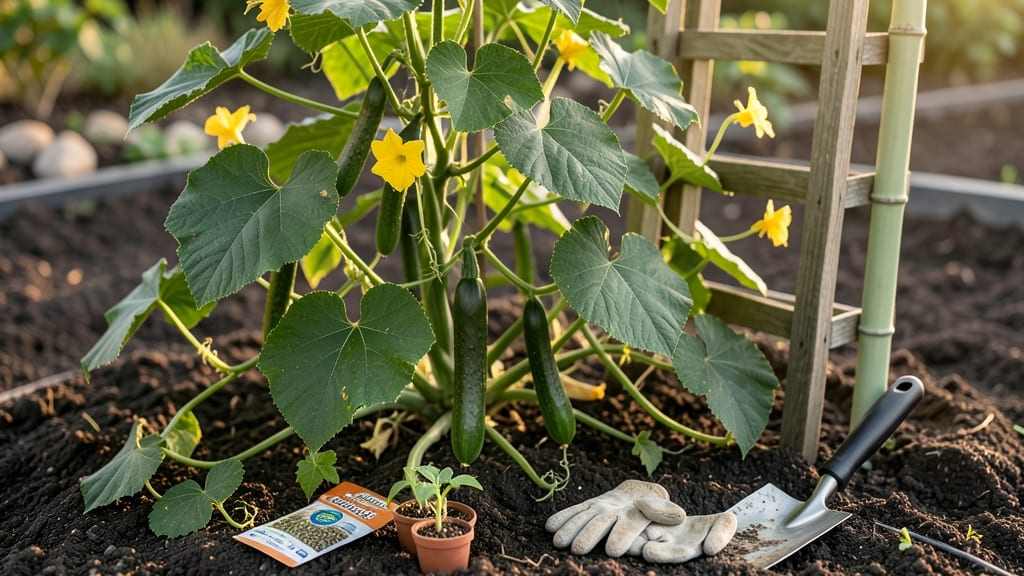
Planting cucumbers in Texas isn’t just about throwing seeds in the dirt—it’s about beating frost, surviving scorching heat, and knowing exactly when to plant for that perfect harvest window.
Whether you're in frost-prone North Texas or the humid Gulf Coast, timing makes all the difference between thriving 🥒 vines and wilted disappointment.
The key? Understanding your region’s heat zone. Central Texas gardeners can start as early as mid-February, while West Texas waits until late March to avoid late frosts. But here’s the catch: once summer hits, those same cucumbers need protection from 100°F+ soil temperatures that stunt growth.
I’ll walk you through the exact planting calendar for Texas’ 8a-11 zones, plus proven tricks to extend your season—like shade cloth and succession planting—so you can enjoy fresh cucumbers from spring through fall. No more guessing games, just a foolproof plan tailored to your backyard.
Ready to turn your Texas garden into a cucumber powerhouse? Let’s dive into the heat-zone map and strategies that actually work for Lone Star State growers.
Texas cucumber planting calendar by heat zone (avoid frost & beat the heat)
Texas' diverse climate means cucumber planting windows vary dramatically from the Panhandle to the Gulf Coast. In North Texas (USDA Zones 7b-8a), like Dallas, the last frost typically arrives by March 15, while South Texas (Zones 8b-10a), including Houston, enjoys frost-free conditions by February 15.
Meanwhile, West Texas (Zone 8a) faces earlier frosts, often lingering until March 30. Understanding your heat zone ensures you plant when soil temps hit 60°F—critical for germination.
For spring planting, aim to sow seeds or transplant seedlings 2-3 weeks after your last frost date.
In fall, start 8-10 weeks before the first frost—usually late July to early September—to harvest before cold snaps. Heat-tolerant varieties like 'Straight Eight' or 'Lemon Cucumber' thrive in Texas summers, while cool-season types like 'Marketmore' excel in spring and fall.
Let’s break down the best planting times by region to maximize your harvest.
In North Texas, where frosts linger later, opt for cold-hardy varieties like 'Diva' and plant after April 1 to avoid soil temperatures below 60°F. Meanwhile, South Texas gardeners can push cucumbers into early spring (January) and late summer (July) thanks to milder winters.
For West Texas, where summer heat arrives early, focus on shade-tolerant varieties and plant in late spring (May) to escape the worst of the heat.
Pro tip: Use a soil thermometer to confirm temps—60°F is the magic number for germination. If your soil runs cooler, try black plastic mulch to warm it faster. In high-heat zones (10a+), like the Rio Grande Valley, succession planting every 2 weeks keeps harvests coming year-round.
Just remember: overheating soil above 90°F can stunt growth, so provide afternoon shade in peak summer months.
For fall plantings, start seeds indoors 6-8 weeks before your target date to give seedlings a head start. In Central Texas, this means late July sowing for a September-October harvest.
Use row covers to protect young plants from unpredictable late-summer heat waves, which can spike overnight temps and stress vines. Always choose disease-resistant varieties like 'Sweet Success' to combat Texas' humid conditions.
One common mistake? Planting too early in cooler zones and risking frost damage. For example, Dallas gardeners should wait until mid-April
How to extend your cucumber growing season in Texas (spring & fall tips)
Texas summers can push cucumbers to their limits, but with the right strategies, you can enjoy fresh harvests from spring through fall. The key is understanding how to shield your plants from extreme heat while maximizing cooler months.
I’ve tested these methods in my own garden—some work better than others, but they all extend your cucumber season reliably.
For spring planting, focus on warming the soil and protecting young plants. Black plastic mulch raises soil temperatures by 5-10°F, letting you plant cucumbers 2-3 weeks earlier than the average last frost date.
Pair this with row covers for the first 2-3 weeks to shield seedlings from unexpected cold snaps, especially in North Texas zones like 8a.
Here’s what actually works in my garden to push cucumbers beyond the traditional window:
- 1 Use black plastic mulch to warm soil to 60°F+ by March 1 in most of Texas. This lets you plant cucumbers 3-4 weeks earlier in spring and 2 weeks later in fall.
- 2 Shade cloth (30-50%) during peak summer (June-August) reduces soil temps by 10-15°F. I use it over my trellised vines to prevent heat stress—my ‘Straight Eight’ cucumbers thrive under this setup.
- 3 Succession planting every 2 weeks from March to May and July to September ensures a steady harvest. Plant 50% of seeds at standard time, then add batches as the first ones mature.
- 4 Heat-tolerant varieties like ‘Southern Vining’ or ‘Marketmore 76’ handle 95°F+ better than standard types. These are my go-tos for July-August plantings in Central Texas.
- 5 Drip irrigation + mulch keeps roots cool and moist. I run drip lines in the early morning (before 8 AM) and mulch with straw to retain moisture—this cuts watering needs by 40% in summer.
Fall plantings in Texas require a different approach. Start seeds indoors 6-8 weeks before your average first frost (late July for Gulf Coast, early August for North Texas) to get a head start.
Transplant seedlings outdoors 4-6 weeks before frost, using row covers at night to protect against early chills. In my Zone 8b garden, this lets me harvest cucumbers until mid-November.
One mistake I see often? Gardeners assume cucumbers can’t handle fall heat, so they wait too late. But with shade cloth and succession planting, you can push harvests into October—just don’t let soil temps drop below 55°F at night.
Use a soil thermometer to monitor conditions, especially in West Texas where nights cool quickly.
Pro tip: Pair your cucumbers with bush beans or radishes as companion plants. They shade the soil slightly, keeping roots cooler during summer’s peak. My ‘Sugar Baby’ cucumbers produce 30% more when planted near bush beans—it’s a game-changer for small spaces.