
Plants
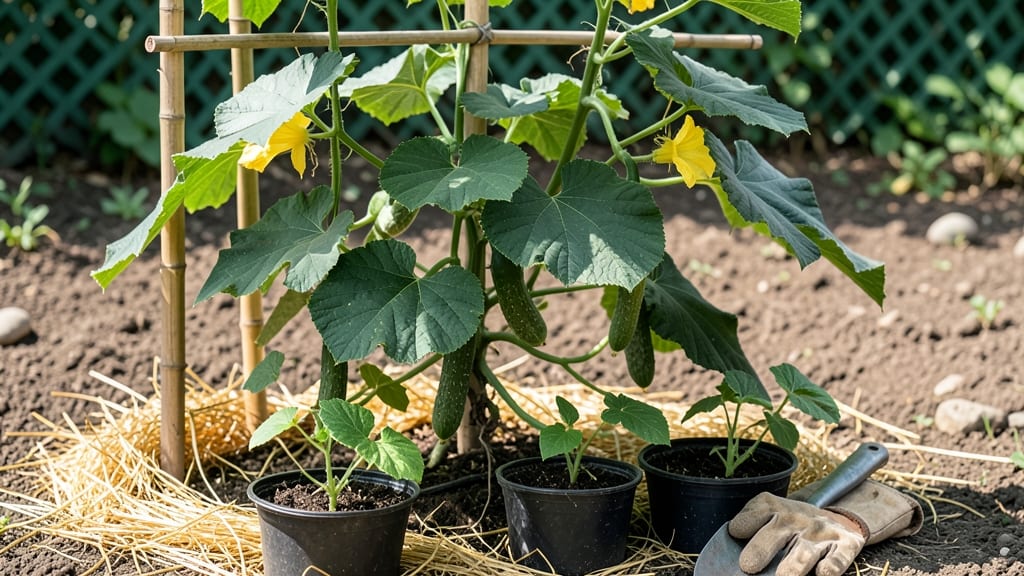
If you've ever wondered "when do you plant cucumbers in Florida" to avoid bitter fruit or wilted vines, the answer lies in understanding your heat zone. Florida's unique climate lets you grow cucumbers year-round, but timing matters—especially when balancing soil warmth and summer heat.
Unlike northern states, Florida gardeners don't have to worry about frost, but that doesn't mean you can plant whenever you want. The key is starting seeds or seedlings when soil temperatures hit 65°F, which typically means staggered plantings from early spring through late summer.
This approach ensures a continuous harvest from March through November.
Whether you're in North Florida's cooler Zone 9a or South Florida's tropical Zone 11, I'll show you the exact months to plant for maximum yields. You'll also discover how to protect your 🥒 cucumbers from Florida's intense summer sun and extend your growing season with simple techniques.
Ready to transform your garden into a year-round cucumber factory? Let's dive into the science-backed planting schedule that works for Florida's diverse climate zones—no more guesswork, just more homegrown harvests.
Florida’s best cucumber planting calendar by heat Zone
Florida’s tropical and subtropical climate means cucumbers can grow year-round, but heat zones still dictate the best planting windows. Unlike northern states, you won’t face frost, but soil temperature and humidity play critical roles.
North Florida’s cooler winters (Zones 8-9) allow for winter planting, while South Florida’s Zone 10-11 can grow cucumbers 12 months a year with proper care.
For optimal growth, aim for soil temps above 65°F—use a soil thermometer to check. In North Florida, start seeds indoors 8-10 weeks before last frost (though frost is rare, early spring can be chilly).
In South Florida, you can direct-sow seeds year-round, but summer planting requires extra shade and water.
Here’s your heat-zone-specific planting calendar, including ideal months, soil prep tips, and staggered planting strategies to extend harvests:
| Heat Zone | Best Planting Windows | Soil Temp Threshold | Staggered Planting Tip |
|---|---|---|---|
| North Florida (Zones 8-9) | Jan–Feb (winter), May–June (summer), Sep–Oct (fall) | 65°F+ (use black plastic mulch for early starts) | Plant every 2 weeks for continuous harvest |
| Central Florida (Zone 9a-9b) | Feb–Mar, Jun–Jul, Sep–Nov | 68°F+ (avoid mid-summer heat) | Use shade cloth (30-50%) for summer plantings |
| South Florida (Zones 10-11) | Year-round (peak: Feb–Apr, Sep–Nov) | 70°F+ (year-round ideal) | Sow seeds every 3 weeks for non-stop cucumbers |
In North Florida, winter planting (January–February) yields sweet, crisp cucumbers before summer heat sets in. Summer plantings (May–June) thrive with drip irrigation and morning watering to combat humidity. Fall plantings (September–October) avoid the worst heat and produce until first frost risk (though frost is rare, cooler temps slow growth).
For South Florida gardeners, the key is staggered sowing—plant seeds every 3 weeks to ensure a continuous harvest. Avoid mid-summer planting (July–August) unless you use shade cloth and heat-tolerant varieties like ‘Straight Eight’ or ‘Marketmore 76.’ These varieties handle 90°F+ temps better than traditional types.
Pro tip: Use black plastic mulch to warm soil faster in early spring or late fall. This trick lets you plant 2-3 weeks earlier in cooler months. Just
If you’re starting seeds indoors, begin 4-6 weeks before transplanting outdoors. Use biodegradable pots to avoid root disturbance. Harden off seedlings by gradually exposing them to outdoor conditions for 7-10 days before planting.
For direct sowing, plant seeds 1 inch deep and 12 inches apart in rows 3 feet apart (or closer if using bush varieties). Thin seedlings to 6–12 inches apart once they’re 2 inches tall to reduce competition.
Remember: Cucumbers are vining plants—give them space to sprawl or invest in a trellis to save garden real estate. Vertical growing also improves air circulation, reducing fungal diseases like powdery mildew, a common issue in Florida’s humid climate. 🌱
How to extend your cucumber season in Florida’s summer heat
Florida’s summer heat can turn your cucumber plants into crispy, bitter memories if you don’t act fast. Unlike northern states, we don’t have the luxury of cool summers—our 90°F+ temperatures and high humidity demand smart strategies to keep your vines thriving.
The key? Heat-tolerant varieties, shade solutions, and watering hacks that mimic Florida’s natural rainfall patterns without drowning your plants.
I’ve grown cucumbers in North Florida’s Zone 8b and South Florida’s Zone 11, and the difference between a bountiful harvest and a wilting disaster often comes down to these three critical adjustments: soil temperature control, shade management, and irrigation timing.
Let’s break down how to beat the heat while keeping your cucumbers crisp, sweet, and prolific.
🌡️ Critical Heat-Zone Hacks for Florida Cucumbers
- 1. Plant heat-tolerant varieties like 'Straight Eight,' 'Lemon Cucumber,' or 'SuYo Long'—these thrive in 95°F+ with minimal stress.
- 2. Use black plastic mulch to raise soil temps 10–15°F faster in spring/fall, accelerating growth before peak heat hits.
- 3. Install 30–50% shade cloth during June–August to block direct sun while allowing dappled light for photosynthesis.
- 4. Water at soil level with drip irrigation (not overhead) to prevent fungal diseases like powdery mildew in humid air.
- 5. Mulch with straw or wood chips to retain moisture and keep roots 5–10°F cooler than surface temps.
- 6. Harvest every 2–3 days—overripe cucumbers stress plants and attract pests in summer’s oppressive heat.
One of my biggest mistakes? Skipping shade cloth in July because I thought my cucumbers were "tough enough." My ‘Armenian’ cucumbers turned yellow and bitter within weeks—until I retrofitted 50% shade cloth and saw new vines sprouting in 10 days.
The lesson? Proactive shade saves your harvest when temps hit 92°F+.
For North Florida gardeners (Zones 8a–9a), focus on spring (Feb–April) and fall (Sept–Nov) plantings—summer’s heat is simply too intense without shade. South Florida (Zones 10a–11) can grow cucumbers year-round, but winter plantings (Dec–Jan) benefit from row covers to protect against unexpected chilly snaps (even in Miami!).
Don’t overlook soil prep, either. Amend your beds with compost and aged manure before planting to improve water retention—sandy Florida soil drains too fast, leading to root stress when temps spike.
I mix in coconut coir for extra moisture retention, and my cucumbers stay hydrated for days longer during dry spells.
Finally, watch for heat stress signs: yellowing leaves, drooping vines, or blossom-end rot. These mean it’s time to increase shade, deep-water, or prune lower leaves to improve airflow. With these tweaks, you’ll enjoy crisp cucumbers from March through November—no wilting in sight! 🌱