
Plants
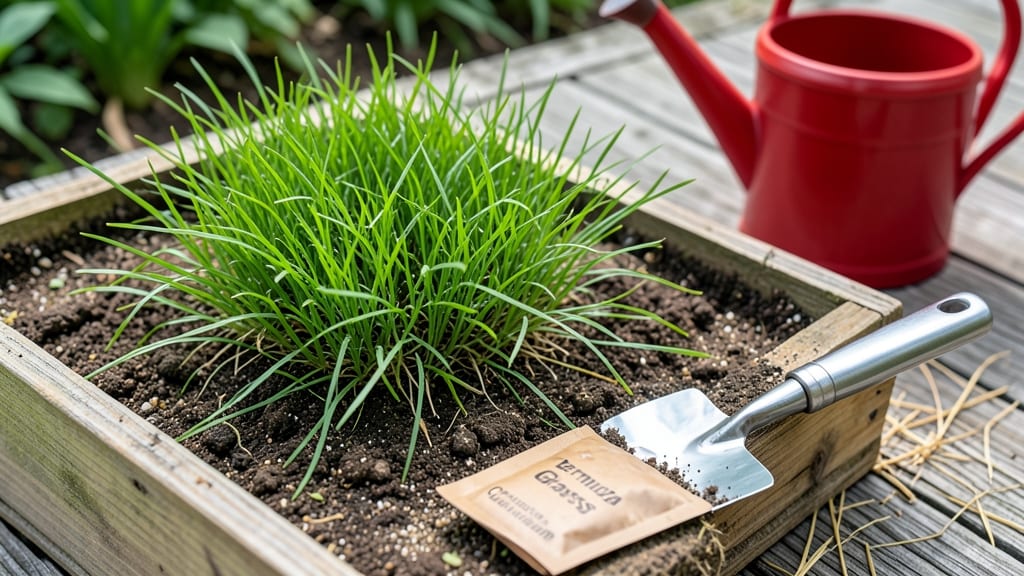
If you're dreaming of a lush, heat-resistant lawn in North Texas, knowing when to plant Bermuda seed in North Texas is everything—get it wrong, and you’ll battle weak growth or weeds all summer.
The key window is short but critical: late April through early June, when soil temperatures hit that sweet spot of 65°F+ and frost risk fades for good.
Why does this matter? Because Bermuda Grass thrives in the brutal North Texas heat, but it needs a strong start. Plant too early, and cool soil slows germination; too late, and summer’s intensity can stress young seedlings.
I’ll break down exactly how to align your planting schedule with local climate patterns—including why Dallas and Fort Worth might need slightly different approaches.
You’ll also discover the top heat-tolerant varieties that dominate North Texas lawns, plus the 3 biggest mistakes homeowners make when planting in late spring.
Whether you’re seeding a new yard or overseeding an existing one, these insights will help you skip the guesswork and get a thick, vibrant lawn by summer’s peak.
Let’s dive into the perfect planting timeline, soil prep secrets, and variety recommendations tailored for your North Texas zone. Your dream lawn starts here—no more second-guessing, just confident, science-backed results.
Optimal Bermuda seed planting timeline for North Texas climates
North Texas’ USDA Zone 8a climate demands precise timing for Bermuda grass seed—too early and frost risks kill seedlings, too late and summer heat stresses germination. The ideal window is late April through early June, when soil temperatures consistently hit 65°F+ and frost danger vanishes.
This aligns with North Texas’ 210 frost-free days, maximizing heat tolerance from day one.
For Dallas-Fort Worth areas, aim for April 15–May 15—this balances soil warmth (critical for germination) with pre-summer rainfall to prevent drought stress. West Texas regions (like Lubbock) can push to late May due to drier conditions, while East Texas (near Tyler) may start early April thanks to higher humidity.
Your soil temperature is the #1 factor—use a soil thermometer to confirm 65°F+ at 4-inch depth. In North Texas, this typically occurs mid-April, but wait for 3 consecutive days above 65°F to ensure consistent germination. Skipping this step leads to patchy, slow growth or seedling death.
Bermuda grass thrives in full sun (6+ hours daily), but late spring planting gives seedlings a head start before summer’s 100°F+ temperatures. Planting in April–May lets roots establish before the peak heat, reducing water needs later.
Avoid June planting—seedlings struggle to germinate in 90°F+ soil, and weeds outcompete them.
| Planting Window | Soil Temp Requirement | North Texas Region | Germination Time | Key Risk |
|---|---|---|---|---|
| Late April | 65°F+ | East TX (Tyler) | 7–14 days | Late frost |
| Mid-April | 65°F+ | Dallas-Fort Worth | 10–14 days | Weed competition |
| May 1–15 | 70°F+ | West TX (Lubbock) | 14–21 days | Drought stress |
| June (last resort) | 75°F+ | All regions | 21–30 days | Slow germination |
Prep your soil 2–3 weeks before planting—Bermuda grass demands well-draining, slightly acidic soil (pH 6.0–7.0). Conduct a soil test (available through Texas A&M Extension) to check pH and adjust with lime (to raise pH) or sulfur (to lower pH).
North Texas’ clay-heavy soils often need compost or sand to improve aeration.
After planting, water deeply 2x daily (morning and evening) for the first 2 weeks to keep soil 1–2 inches moist.
Once seedlings emerge, reduce to 1 inch per week—Bermuda grass is drought-tolerant but needs consistent moisture to establish roots. Avoid overhead watering (use drip irrigation or soaker hoses) to prevent fungal diseases like brown patch.
By June 1, your Bermuda grass should show vigorous growth if planted correctly. If you miss the April–May window, consider sod instead of seed—sod establishes faster and handles summer heat better.
For seed, late May is the absolute deadline; planting after risks poor germination and weed dominance.
Pro tip: Mulch lightly with straw (not wood chips) after planting to retain moisture and suppress weeds without smothering seedlings. Remove mulch once grass reaches 3–4 inches tall to allow full sun exposure, critical for heat tolerance.
Timing your Bermuda grass seed just right turns North Texas’ brutal summers into your
Optimal Bermuda seed planting timeline for North Texas climates
North Texas’s USDA Zone 8a climate demands precision when planting Bermuda grass seed—too early risks frost damage, while late planting weakens heat tolerance. The ideal window spans late April through early June, aligning with soil temperatures above 65°F and minimal frost risk after March 15.
This timing ensures strong germination before summer’s brutal heat sets in.
Dallas and Fort Worth experience slightly different microclimates, but both benefit from planting after the last frost and before June 10. Early June is the cutoff—after that, summer’s 100°F+ temperatures can stress young seedlings. Use a soil thermometer to confirm readiness; 65°F+ is critical for germination success.
| Factor | North Texas Ideal Planting Window | Key Consideration |
|---|---|---|
| Soil Temperature | 65°F+ | Germination stalls below 60°F |
| Last Frost Date | March 15 | Plant 2–3 weeks after |
| Best Months | April–May | Balances warmth and moisture |
| Dallas vs. Fort Worth | Same window | Fort Worth slightly cooler at night |
| Rainfall Needs | 1–1.5 inches/week | Drought stress slows growth |
West Texas areas like Lubbock may extend planting to early July due to higher heat tolerance, but North Texas’s higher humidity demands earlier action. April is ideal for seed planting, while sod installation can stretch to mid-June—sod establishes faster under heat.
Test soil pH (6.0–7.5) and drainage before planting; compacted soil kills seedlings.
After planting, water deeply 2x daily for the first 2 weeks, then taper to morning-only watering to prevent fungal diseases. Mulch lightly with straw to retain moisture, but avoid thick layers that smother seeds.
By mid-June, your Bermuda should show 1-inch sprouts—a sign you’ve timed it perfectly for North Texas’s summer dominance.
If you miss the window, late June plantings can still work but require shade cloth until established. However, July plantings are risky—seedlings struggle with 100°F+ heat and limited rainfall.
Prioritize early spring prep: till soil, remove weeds, and amend with compost to give your Bermuda the competitive edge it needs.
Pro tip: Mark your calendar for April 15–May 15 as your prime planting window. This aligns with peak rainfall in North Texas, reducing irrigation needs.
With the right timing, your Bermuda will outcompete weeds and thrive through 100°F summers—no other grass handles the heat like this tough Texan favorite. 🌱