
Plants
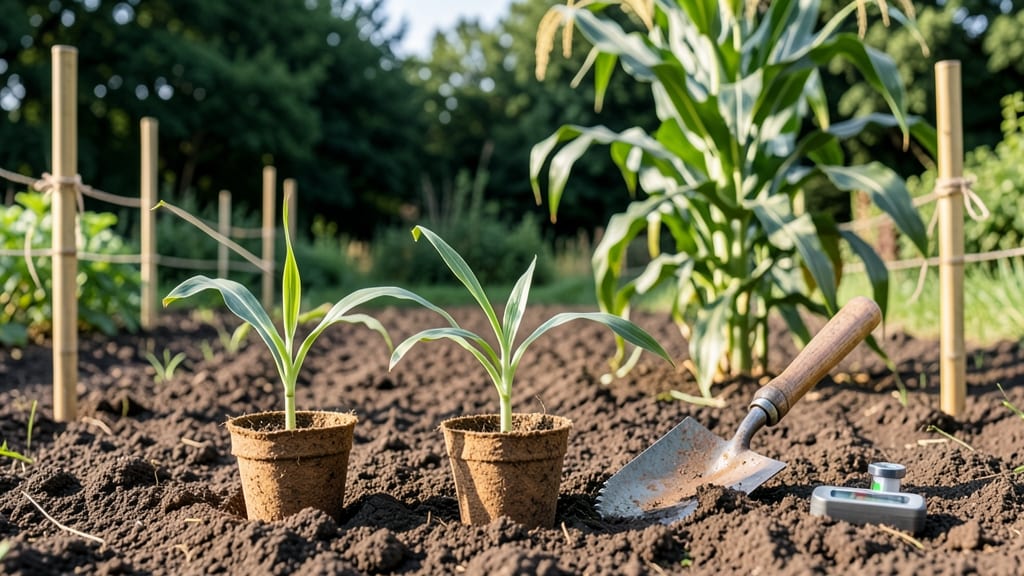
Timing your 🌽 corn planting in Ohio isn’t just about following a calendar—it’s about beating frost, warming soil, and setting your crop up for peak yields before summer heat kicks in.
With Ohio’s USDA Zone 6a climate, planting too early risks frost damage, while waiting too long can stunt growth before harvest season arrives.
Most Ohio gardeners aim to plant corn between mid-April and early May, but the exact window depends on whether you’re in northern or southern Ohio—and whether your soil is ready.
The key is waiting until the ground reaches at least 50°F and the last frost date has passed (typically around April 15, but it varies yearly).
In this guide, I’ll break down the critical factors that determine your planting timeline, from soil temperature checks to regional frost trends. You’ll learn how to adjust for early or late springs, whether to start seeds indoors, and the 5 common mistakes that waste seeds and cut yields.
Whether you’re a first-time gardener or a seasoned farmer, getting your corn in the ground at the right time is the game-changer between a bumper crop and a disappointing harvest. Let’s make sure you’re planting for success.
Ohio corn planting dates by region: avoid frost and maximize growth
Ohio’s corn planting window hinges on two critical factors: last frost dates and soil temperatures. Unlike many crops, corn is frost-sensitive, so timing is everything to avoid stunted growth or seed rot.
In Ohio, this means waiting until after April 15 in most regions—but not all areas are created equal. Northern Ohio’s cooler climate demands a later start compared to the warmer southern counties.
For maximum yields, your planting should align with soil temperatures of 50°F+ at 1-inch depth. Corn seeds won’t germinate reliably below this threshold, making early planting a waste of seeds and resources. Use a soil thermometer to confirm readiness, especially in Northern Ohio, where cold soils linger longer.
Here’s the breakdown by region, including last frost averages and ideal planting windows based on USDA data:
| Region | Last Frost Date (Avg.) | Ideal Planting Window | Soil Temp Threshold | Notes |
|---|---|---|---|---|
| Northern Ohio (e.g., Cleveland, Toledo) | April 25–May 5 | May 1–May 15 | 50°F+ (10°C+) | Wait for consistent warmth; use row covers if frost risk lingers. |
| Central Ohio (e.g., Columbus, Cincinnati) | April 15–April 25 | April 25–May 10 | 50°F+ (10°C+) | Flexible window; prioritize soil temp over calendar dates. |
| Southern Ohio (e.g., Athens, Chillicothe) | April 5–April 15 | April 15–April 30 | 50°F+ (10°C+) | Earliest planting zone; short-season varieties recommended. |
If you’re planting short-season varieties (e.g., ‘Early Sunglow’ or ‘Silver Queen’), you can push the envelope slightly earlier in Southern Ohio, but avoid planting before April 1 unless you’re using a greenhouse or row covers.
In Northern Ohio, waiting until after May 1 is safer if the soil is still cool.
Pro tip: Use black plastic mulch to warm the soil faster in cooler regions. This can shave off 7–10 days from your planting timeline by raising soil temps by 5–10°F. Just be sure to remove it before pollination to avoid heat stress.
For maximum ear development, aim to plant when daytime highs are consistently above 60°F. Corn thrives in warmth, and cooler nights can stunt pollen production, leading to poor kernel set. Monitor your local Almanac frost predictions and adjust your timeline accordingly.
One common mistake? Planting too late. If you miss the May 15 cutoff in Northern Ohio, your corn may mature too late for a full harvest before first frost in October. Always choose day-length neutral or short-season varieties to hedge against late summers.
🌽
5 Critical factors that determine your Ohio corn planting timeline
Ohio’s corn planting success hinges on more than just dates—it’s about understanding 5 key factors that dictate when (and how) to plant. From soil temperature thresholds to hybrid maturity ratings, each plays a role in avoiding frost damage and maximizing yields.
Let’s break down what truly matters for your Ohio garden.
First, soil temperature is non-negotiable. Corn seeds won’t germinate reliably until the soil reaches at least 50°F, but for optimal growth, aim for 60°F or warmer. A soil thermometer is your best friend here—planting too early in cold soil can lead to rotten seeds or stunted seedlings.
Next, consider your corn hybrid’s maturity rating. Ohio’s short growing season (about 120–140 days from planting to frost) means you’ll want short-season varieties (like ‘Silver Queen’ or ‘Peaches and Cream’) that mature in 75–90 days. Full-season varieties risk running out of time before frost hits in October.
Don’t overlook seed depth, either. Planting corn too shallow (less than 1 inch) risks drying out, while going deeper than 2 inches can delay germination. Aim for 1.5 inches in well-drained soil for the best balance.
Finally, moisture management is critical during germination. Corn seeds need consistent moisture to sprout—dry spells can leave gaps in your rows. Use mulch or drip irrigation to maintain even moisture until seedlings emerge.
By mastering these 5 factors, you’ll avoid common pitfalls like frost damage, poor germination, or late-season harvests. Adjust your timeline based on your region’s frost trends and soil conditions—your corn will thank you with bigger ears and better yields. 🌽