
Plants
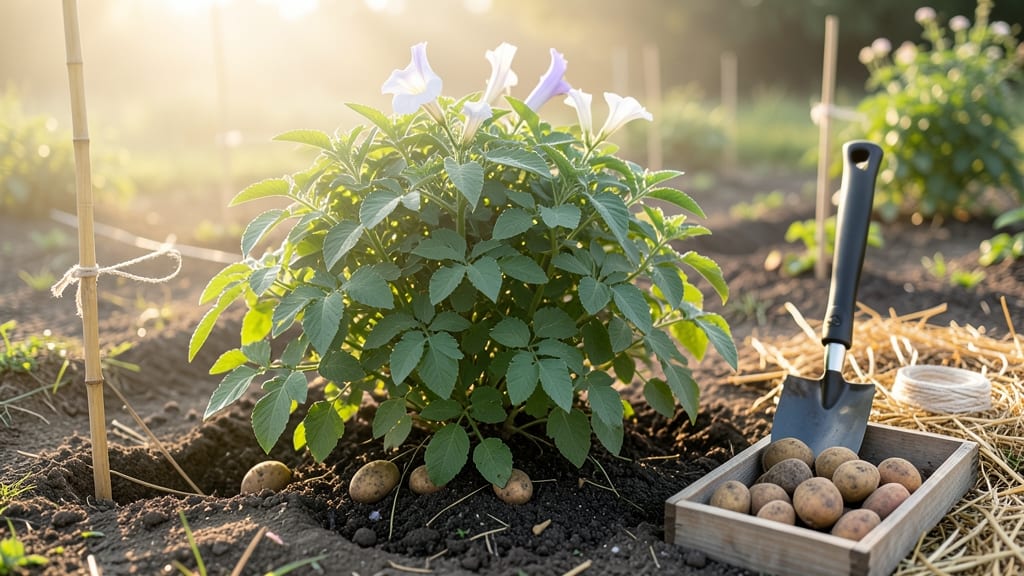
If you’ve ever stared at your seed potatoes wondering, "when is the best time to plant potatoes in Ohio", you’re not alone—getting this wrong can mean the difference between a bountiful harvest and a total flop.
Ohio’s USDA Zone 6a climate throws a wrench into the mix, with unpredictable frosts that demand precision timing.
The key to success lies in planting 4-6 weeks before your last frost date, typically between early March and mid-April, depending on your region. Northern Ohio gardeners should wait until soil temperatures hit 45-50°F, while southern areas can start slightly earlier.
But here’s the catch: rushing too soon risks frost damage, while waiting too long shortens the growing season.
I’ll break down the exact weeks to plant for Ohio’s microclimates, plus how to adjust for late frosts or early springs. Whether you’re growing early varieties like Yukon Gold or late-season Kennebecs, timing is everything—and I’ve got the game-changer tips to ensure your 🥔 thrive.
Ready to transform your potato patch? Let’s dive into the best planting strategies tailored for Ohio’s spring quirks, so you can harvest like a pro by summer’s end.
Ohio’s last frost dates and ideal planting weeks for potatoes
Ohio’s last frost dates vary dramatically from north to south, creating a 4-6 week window for planting potatoes. In northern Ohio (e.g., Cleveland, Toledo), the average last frost falls between April 15-30, while southern Ohio (e.g., Cincinnati, Columbus) typically sees its last frost by April 1-15.
This means your planting timeline should shift by 3-4 weeks depending on your location.
For optimal tuber development, plant seed potatoes 4-6 weeks before your area’s last frost date. This gives young plants enough time to establish roots before soil warms to 45-50°F, the ideal temperature for sprouting.
In northern Ohio, this means planting in mid-to-late March, while southern Ohio gardeners can start as early as early March.
Missed the window? Don’t worry! You can still plant late varieties (like Red Pontiac) up to May 15 in most of Ohio, though yields may be smaller. The key is ensuring tubers have 90-120 days to mature before the first frost in mid-October.
| Region | Last Frost Date | Ideal Planting Window | Soil Temp for Planting | Harvest Ready By |
|---|---|---|---|---|
| Northern Ohio (Cleveland, Toledo) | April 15-30 | March 15-April 1 | 45-50°F | July 15-August 15 |
| Central Ohio (Columbus) | April 1-15 | March 1-March 25 | 45-50°F | July 1-August 10 |
| Southern Ohio (Cincinnati) | March 25-April 10 | February 25-March 20 | 45-50°F | June 20-July 25 |
🌱 Note: Adjust for microclimates (e.g., hills warm faster than valleys).
Ohio’s USDA Zone 6a climate means you’ll face unpredictable spring temperature swings. To hedge your bets, use black plastic mulch or straw to warm soil faster, or plant in raised beds, which heat up 1-2 weeks earlier than in-ground soil.
This trick can shave critical days off your planting timeline.
Another pro tip: Chit your seed potatoes (sprout them indoors in egg cartons) 4-6 weeks before planting. This gives you a 2-week head start on growth, ensuring your potatoes emerge faster once soil temperatures rise. Store chitted potatoes in a cool, dark place (like a basement) until planting.
For early harvests, opt for short-season varieties like Yukon Gold (90 days) or Red Norland (85 days). These mature quickly enough to beat Ohio’s late spring frosts, which can damage young plants. Plant them in early March (southern Ohio) or mid-March (northern Ohio) for a July harvest.
If you’re growing late-season varieties (like Kennebec or Russet), aim for a May 1 planting to ensure tubers mature before the first frost. These varieties need 110-120 days to reach harvest, so timing is even more critical.
Use row covers in early spring to protect young plants from late frosts.
Ohio’s frost-free growing season averages 165 days, but this varies by region. In northern Ohio, you’ll have fewer frost-free days, so prioritize fast-maturing varieties. In southern Ohio, you can experiment with second plantings in early June for a fall harvest before winter sets in.
Remember: Soil temperature matters more than air temperature. Use a soil thermometer to confirm your soil has reached 45°F before planting. Cold soil delays germination and increases the risk of damping-off disease.
If your soil is still chilly, wait 1-2 weeks or use black plastic mulch to accelerate warming.
For a foolproof approach, mark your calendar for March 15 (southern Ohio) or April 1 (northern Ohio) as your planting deadline. This gives you flexibility to adjust based on weather while ensuring your potatoes have enough time to thrive before Ohio’s first frost in October. 🌱
How to adjust planting time for Ohio’s unpredictable spring weather
Ohio’s spring weather can be as unpredictable as a rollercoaster—one day warm and sunny, the next a surprise frost. To protect your potato harvest, I’ve learned to use a mix of cold-hardy varieties, soil warming tricks, and protective covers to extend the growing season.
These strategies help me avoid losing my crop to late frosts while still getting an early start.
First, choose early-maturing varieties like Yukon Gold or Red Pontiac, which can tolerate cooler soils and still produce a harvest in just 90 days. These varieties give you a buffer if spring drags its feet.
For even earlier planting, try seed potatoes in containers—they warm up faster and can be moved indoors if frost threatens.
Soil temperature is your best early warning system. Potatoes need soil that’s at least 45-50°F to sprout properly. Use a soil thermometer to check—if it’s cooler, try black plastic mulch or straw bales to warm the soil faster.
I’ve seen a 10°F difference in just a few days with this method!
✅ PROS
- 🌱 Early varieties mature faster, reducing frost risk
- 🔥 Row covers add 4-6°F protection against light frosts
- ☀️ Black plastic mulch warms soil 10°F+ in days
- 📅 Container growing allows flexible timing
❌ CONS
- ❄️ Heavy frosts can still damage plants
- 💰 Row covers require extra setup
- 🕒 Late planting risks smaller yields
- 🌧️ Wet soil delays planting and sprouting
For those late-spring surprises, I rely on floating row covers or lightweight fabric tunnels. These can protect young plants from 28°F frosts while still allowing sunlight and air flow. Just
Another trick I’ve picked up is succession planting. Instead of planting all your seed potatoes at once, stagger them every 2-3 weeks through May. This spreads out your harvest and reduces the risk of losing everything to one late frost. It’s extra work, but it’s paid off with consistent yields even in Ohio’s wildest springs.
Finally, keep an eye on your local frost forecast and have a backup plan. If a hard freeze is predicted, cover your plants with straw or old blankets and weigh them down with bricks. I’ve saved entire rows this way—it’s worth the effort for a full harvest!