Plants
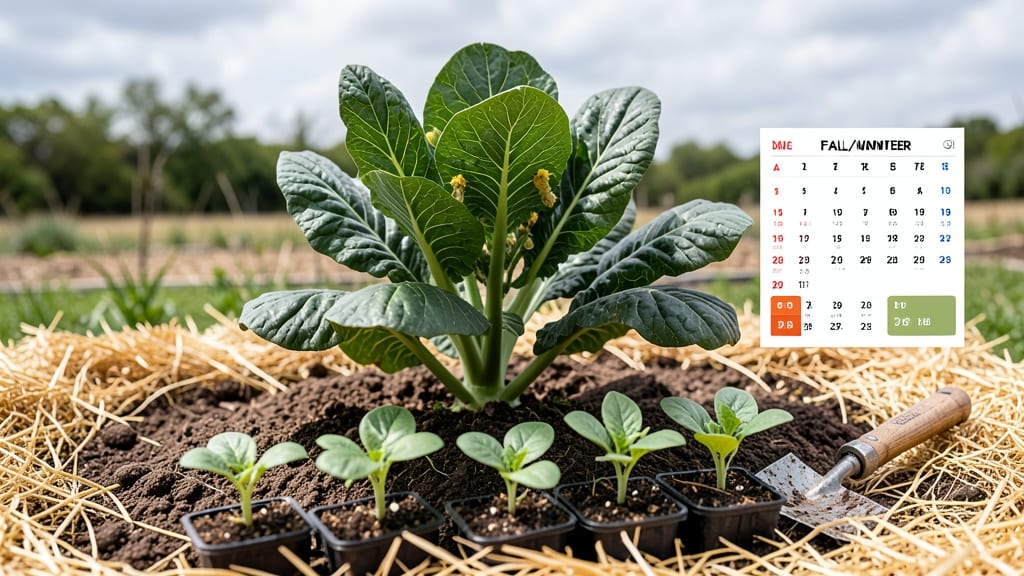
If you're dreaming of a bountiful harvest of 🥬 collards in South Carolina, timing your planting is the key to success. The wrong window could mean frost damage or stunted growth, while the perfect moment unlocks tender, flavorful leaves all winter long.
South Carolina's unique climate—with its mild winters and USDA zones 7b-8a—gives you a longer growing season than most regions. But even here, planting too early risks frost, while waiting too long can stress your plants before harvest.
I'll show you exactly when to plant for maximum yield, whether you're in the coastal humidity or the cooler mountain regions.
From late summer's heat to early spring's chill, we'll break down the ideal planting windows by county. You'll learn how to adjust for microclimates, avoid common mistakes, and even extend your harvest through winter. Ready to grow collards that thrive?
Let’s dive into the perfect planting schedule so you can enjoy fresh, homegrown greens from October through April—and maybe even beyond. Your garden (and taste buds) will thank you!
South Carolina’s frost-free planting windows for collards by county heat zones
Collards thrive in South Carolina’s USDA zones 7b-8a, but the exact planting window depends on your county’s frost dates. Coastal areas like Charleston have longer frost-free seasons, while mountain regions like Greenville face earlier freezes.
I’ll break down the optimal planting months for each zone to ensure your collards mature before winter’s chill.
For fall plantings, aim for August to early September in most counties. This gives plants 60-75 days to mature before the first frost, typically around mid-November.
In Zone 8a (coastal areas), you can push planting to late September, while Zone 7b (upstate) needs seeds in the ground by mid-August.
Spring plantings should start in February for Zone 8a and March for Zone 7b. Collards are cold-hardy but won’t tolerate hard freezes—so avoid planting after mid-March in northern counties.
The key is balancing frost risk with heat tolerance; collards bolt (go to seed) in temperatures above 85°F.
Here’s your county-by-zone guide to planting collards at the perfect time for maximum yield:
Pro tip: Use row covers to extend your fall harvest by 2-3 weeks in cooler zones. I’ve successfully grown collards through December in Greenville by covering plants with frost cloth after the first light freeze. For spring plantings, start seeds indoors in January for a head start.
Collards are heat-sensitive, so avoid planting in summer months (June-August). The plants will bolt and go to seed when temperatures exceed 85°F for prolonged periods. Instead, focus on fall and spring plantings for the best results.
If you’re in Zone 8a, you can even try a second fall planting in October for a winter harvest. Just be prepared to protect them with mulch or row covers once temperatures dip below 30°F.
I’ve had great success with this method in Beaufort County, where winters are milder.
For transplanting seedlings, wait until soil temperatures drop below 80°F in late summer. Use a soil thermometer to monitor—collard roots struggle in hot, dry soil. In spring, transplant after the last frost date, which varies by county (check your local extension office for exact dates).
Remember: Soil prep is key. Amend your garden beds with compost or aged manure before planting, as South Carolina’s sandy soils drain too quickly. Aim for a pH of 6.5-7.0—collards prefer slightly acidic to neutral soil. Test your soil in early spring to adjust as needed.
With these county-specific planting windows, you’ll avoid the two biggest mistakes: planting too
How to adjust collard planting for South Carolina’s microclimates
South Carolina’s diverse geography—from coastal Charleston to the Blue Ridge Mountains—means your collard planting strategy should vary by region. Coastal areas like Beaufort and Hilton Head have higher humidity and warmer winters, while the Piedmont (Columbia, Greenville) experiences variable temperatures, and mountain regions (Greer, Landrum) face earlier frosts.
Adjusting for these microclimates ensures your collards thrive year-round.
For coastal gardens, plant collards as early as late August to take advantage of mild winters. The Atlantic breeze reduces frost risk, but sandy soils drain too quickly—amend with compost to retain moisture.
In Piedmont regions, aim for September 15–October 1 to avoid summer heat stress. These areas often have clay-heavy soil, so mix in organic matter to improve drainage.
Mountain gardeners should start seeds indoors by late July and transplant after the first frost (typically mid-October). Use row covers in winter to protect tender leaves from 20°F dips. No matter your location, succession planting every 3–4 weeks from August to October extends your harvest through spring.
- 🌊 Plant by late August to avoid summer heat
- 💧 Water deeply 2x/week—sandy soil dries fast
- 🌿 Use mulch to prevent salt spray damage
- 🌡️ Monitor humidity—fungus risk increases
- 📅 Seed in September for frost-free growth
- 🪴 Raise beds if soil is clay-heavy
- ☀️ Partial shade in peak summer (June–July)
- 🍂 Fall harvests last until April
- ❄️ Start indoors by July 20
- 🛡️ Use frost cloth after November 15
- 🌱 Transplant after soil warms (60°F+)
- 🌿 Harvest before bolting in spring
Soil prep is non-negotiable across all regions. Test your soil’s pH (6.0–6.8)—South Carolina’s native acidity often needs lime adjustments. For sandy soils, add peat moss; for clay, incorporate composted leaves. Mulch heavily with straw or pine needles to regulate soil temperature and suppress weeds.
To extend harvests, try winter row covers in cooler zones or cold frames in the mountains. In coastal areas, succession plant every 3 weeks until October 15 for a continuous harvest through April. Avoid planting after April 15—summer heat causes bolting and bitter leaves.
Pro tip: Collards hate soggy roots. In low-lying coastal areas, raise beds or plant on mounds to prevent waterlogging. Mountain gardeners should space plants wider (18 inches apart) to improve airflow and reduce frost damage.
With these regional tweaks, your collards will reward you with crisp, flavorful leaves from fall to spring. 🌿