
Flowers
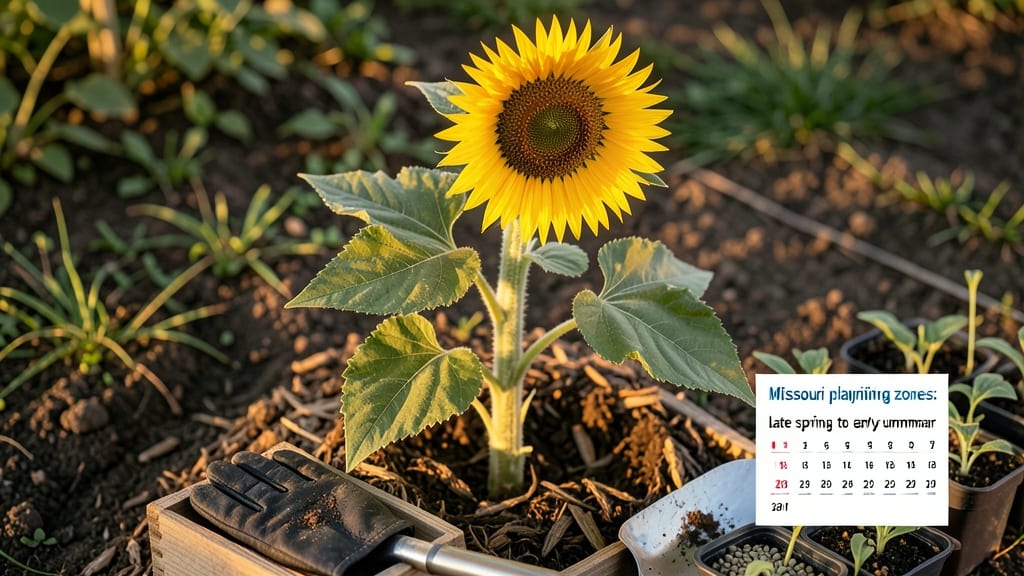
Planting sunflowers in Missouri isn’t just about dropping seeds in the dirt—it’s about timing them perfectly with your local frost dates to unlock those towering, golden blooms you’ve been dreaming of.
The ideal window for most of the state is late April to early May, but whether you’re in St. Louis, Kansas City, or Springfield, your exact timing depends on when Mother Nature finally says goodbye to frost.
Missouri’s USDA zones 5b-6b mean you’ve got a short but sweet growing season, and sunflowers need every warm day they can get. Plant too early, and a late frost could nip your seedlings in the bud. Too late, and you might miss the July-October harvest window entirely.
The key? Waiting until the soil warms up and the danger of frost has passed—usually around April 15, give or take a week depending on your county.
Here’s where it gets interesting: Missouri’s microclimates play a huge role. Urban areas like St. Louis might warm up faster than rural zones, while western counties could handle an early start.
We’ll break down the exact county-by-county timeline so you can plant with confidence—and avoid the heartbreak of watching your sunflowers 🌻 wilt before they even bloom.
Ready to grow sunflowers that reach for the sky? Let’s dive into the frost-free planting schedule tailored just for Missouri gardeners, plus pro tips to extend your growing season and keep those cheerful faces turning toward the sun all summer long.
Missouri sunflower planting dates by USDA hardiness zones (5a-6b)
Missouri’s diverse climate means your sunflower planting window can vary by 1-2 weeks depending on your USDA zone and local microclimate.
Most gardeners in St. Louis (Zone 6a) and Kansas City (Zone 5b) should aim for late April to early May, while cooler northern areas like Columbia (Zone 6b) may wait until mid-May.
These dates align with Missouri’s average last frost date of April 15, but always verify your county’s frost history.
Sunflowers are fast-growing annuals that love warmth, so planting too early risks frost damage to tender seedlings. Conversely, waiting too late shortens your bloom season—especially for tall varieties like 'Mammoth Russian' that need 120 days to mature.
Missouri’s frost-free season typically spans 165 days, giving you plenty of time for multiple plantings if you choose fast-maturing varieties like 'Autumn Beauty' (60-day harvest).
Here’s how to time your plantings by Missouri’s key regions and USDA zones. Use this as your frost-free planting guide to maximize those bright yellow blooms from July to October:
| USDA Zone | Missouri Regions | Last Frost Date | Ideal Planting Window | Late Planting Cutoff |
|---|---|---|---|---|
| Zone 5a | Northern MO (e.g., St. Joseph, Sedalia) | April 25 | May 1-15 (after soil warms to 50°F) | June 1 (for fast varieties) |
| Zone 5b | Central MO (e.g., Kansas City, Columbia) | April 15 | April 25-May 10 (soil at 55°F) | June 15 (for tall varieties) |
| Zone 6a | Southern MO (e.g., Springfield, Poplar Bluff) | April 1 | April 15-May 1 (earliest zone) | June 30 (extended season) |
| Zone 6b | Southwest MO (e.g., Joplin, West Plains) | March 25 | April 1-May 1 (longest season) | July 1 (tropical varieties) |
Pro tip: Use a soil thermometer to confirm soil temps—sunflowers need 50°F+ to germinate. In Zone 5a, wait until May 1 to avoid frost risk, while Zone 6b gardeners can start as early as April 1 for a head start.
For St. Louis gardeners (Zone 6a), aim for April 25 to align with average last frost while giving plants time to establish before summer heat.
Missouri’s microclimates can create 2-week differences in frost dates even within the same zone. For example, urban St. Louis may warm up faster than rural areas 30 miles north due to heat island effect.
Check your local cooperative extension service for county-specific frost data—this can shift your planting window by 7-10 days. Always plant 1 inch deep and 6 inches apart for optimal spacing, regardless of timing.
If you’re growing sunflowers for seeds, prioritize late May plantings in cooler zones to ensure seeds mature before first frost (typically October 15). Varieties like 'Russian Giant' need 120 days, so Zone 5a gardeners should plant by June 1 to avoid seed loss.
For cut flowers, earlier plantings (late April) work well—just monitor for powdery mildew in Missouri’s humid summers.
Missouri’s clay-heavy soils can delay warming, so amend with compost 2 weeks before planting to improve drainage. In sandy soils (common in southwest MO), water more frequently to prevent seed desiccation.
Always plant in full sun (6+ hours daily) for tallest stems and largest blooms. Skip fertilizing until plants reach 1-2 feet tall—sunflowers thrive on Missouri’s fertile loam without heavy feeding.
For a second planting, try late June
Missouri sunflower planting dates by USDA hardiness zones (5a-6b)
Sunflowers in Missouri love warm soil and long daylight, so timing your planting around last frost dates is key. Most of Missouri falls in USDA Zones 5b-6b, with frost-free dates ranging from mid-April in southern regions to late April in northern areas.
Planting too early risks frost damage, while waiting too late may shorten your bloom season.
For optimal growth, aim to plant sunflower seeds 2-3 weeks after your area’s last frost date. This gives soil time to warm up to at least 60°F, which sunflowers crave.
In St. Louis (Zone 6a), that’s typically late April, while Kansas City (Zone 5b) gardeners should wait until early May.
| Region | USDA Zone | Last Frost Date | Ideal Planting Window | Late Planting Cutoff |
|---|---|---|---|---|
| Southern MO (Poplar Bluff) | Zone 7a | March 15 | Late March - Early April | June 1 |
| Central MO (Columbia/Jefferson City) | Zone 6a | April 1 | Late April | June 15 |
| St. Louis Area | Zone 6a | April 10 | Late April | June 15 |
| Kansas City Area | Zone 5b | April 15 | Early May | June 20 |
| Northern MO (St. Joseph) | Zone 5a | April 20 | Early May | June 25 |
Missouri’s microclimates create variations even within regions. For example, urban heat islands in St. Louis can push frost dates 3-5 days earlier than rural areas. Use your local cooperative extension office for precise frost data, or track soil temperatures with a soil thermometer—sunflowers need 60°F+ soil to germinate.
For extended bloom seasons, consider planting successive batches every 2 weeks through early June. This staggered approach ensures continuous color from summer through fall. Just remember: sunflowers planted after June 15 may not reach full maturity before frost.
Pro tip: If you’re eager to start early, try indoor starts 2-3 weeks before your last frost date. Use