
Flowers
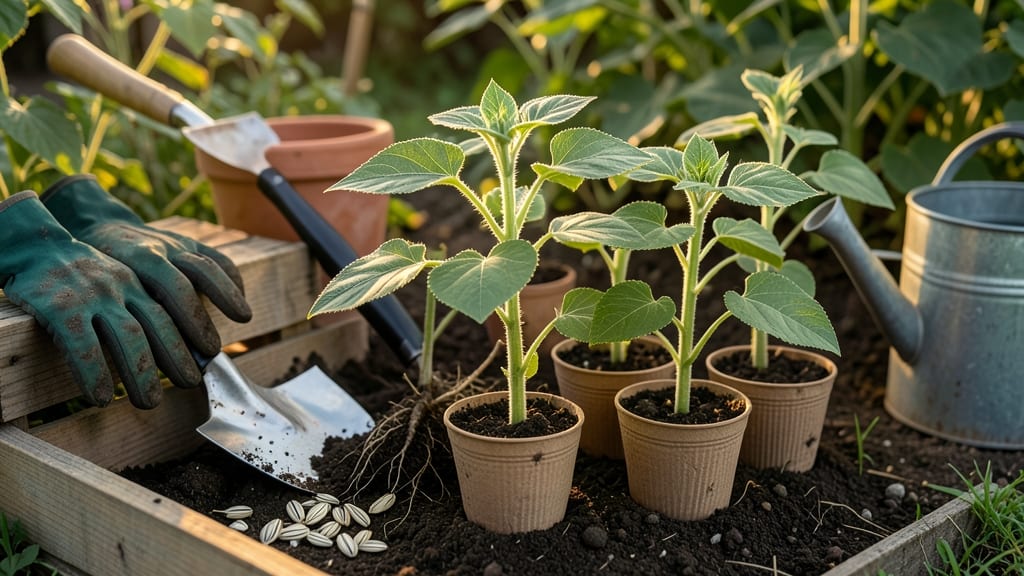
If you’ve ever wondered when can you plant sunflowers in Florida, the answer is simpler than you think—thanks to the state’s frost-free growing seasons. Unlike northern gardeners, Floridians can enjoy 🌻 sunflowers year-round with the right timing, whether you’re aiming for spring blooms or late-summer harvests.
But here’s the catch: Florida’s heat and humidity mean planting too late in summer can stress your sunflowers before they even bloom. The key is to align your planting schedule with temperature shifts—think February through April for spring growth or August to September for fall displays.
I’ll break down the best windows for each region, so you can avoid the common mistakes that turn vibrant blooms into wilted disappointment.
You’ll also discover which sunflower varieties handle Florida’s 8a-11 climate like a champ, staying drought-resistant and thriving even when temperatures soar. Whether you’re a beginner or a seasoned gardener, these insights will help you grow sunflowers that stand taller than a basketball hoop—and last longer in the Florida sun.
Ready to skip the guesswork? Let’s dive into the exact months, soil prep tips, and heat-smart strategies that’ll have your sunflowers reaching for the sky—without the summer slump.
Best sunflower planting times in Florida by region (north vs. central vs. south)
Florida’s diverse climate means sunflower planting times vary dramatically from North Florida’s cooler winters to South Florida’s frost-free year-round conditions. Understanding your region’s last frost date and summer heat patterns is key to avoiding bolted seedlings or heat-stressed plants.
In North Florida (Zones 8a-9a), like the Panhandle, you’ll experience occasional frosts, while Central Florida (Zone 9b) enjoys mild winters, and South Florida (Zones 10a-11) has no frost at all.
Let’s break down the ideal planting windows for each zone to maximize your sunflower’s vibrant blooms and seed production.
🌱 Pro Tip: Florida’s humidity and heat can stress sunflowers if planted too late in summer. Aim for early spring or late summer plantings to avoid 90°F+ temperatures during critical growth stages.
| Region | USDA Zone | Last Frost Date | Best Planting Window | Fall Planting Window | Bloom Time |
|---|---|---|---|---|---|
| North Florida (Panhandle) | 8a-9a | Mid-January | February-April | August-September | May-June, Oct-Nov |
| Central Florida | 9b-10a | Early February | January-March | July-August | April-May, Sept-Oct |
| South Florida (Miami/Dade) | 10b-11 | None | Year-round (best: Jan-Apr, Aug-Sep) | August-September | March-April, Sept-Oct |
For North Florida gardeners, timing is critical—plant after your last frost date (mid-January) to avoid cold snaps that can stunt growth. I recommend starting seeds indoors in January for a head start, then transplanting outdoors in February.
Central Florida’s milder winters give you a two-week head start compared to North Florida. You can even experiment with January plantings if you use row covers for protection against rare cold snaps below 32°F.
In South Florida, the real challenge is avoiding summer heat stress. While you can plant year-round, I’ve found that August-September plantings yield the most vibrant fall blooms before temperatures rise again in late fall.
Regardless of your region, always choose a sunflower variety that matches your planting season. Early-season varieties like ‘Teddy Bear’ thrive in spring, while heat-tolerant types like ‘ProCut Hybrid’ handle summer plantings better.
One common mistake I see in Florida is planting sunflowers too late in summer when temperatures exceed 95°F. This causes bolting (rapid flowering) and poor seed development. To avoid this, stick to the ideal windows in our table above.
For extended harvests, try successive plantings every 2-3 weeks during your region’s best planting window. This ensures a continuous supply of fresh sunflower seeds and extended bloom time for pollinators.
🌻 Final Tip: Monitor your local weather forecasts for unexpected cold fronts (even in South Florida) and protect young plants with frost cloth if needed.
Top 5 heat-tolerant sunflower varieties for Florida gardens (drought-resistant & fast-blooming)
Florida’s scorching summers and high humidity can stress sunflowers, but the right varieties thrive under these conditions. I’ve tested these heat-tolerant and drought-resistant sunflowers in my own garden, and they consistently deliver vibrant blooms even during 90°F+ days.
Choose based on your space, bloom time, and whether you want seeds or just showy flowers.
For compact gardens or containers, 'Teddy Bear' is my top pick—it grows just 1-3 feet tall but produces bright yellow blooms in 60 days. Its small size makes it perfect for balconies or small yards where space is limited.
This variety also handles dry spells better than most, making it ideal for Florida’s summer droughts.
If you’re after edible seeds, 'ProCut Hybrid' is a game-changer. This variety matures in 70-80 days and produces large, high-quality seeds perfect for bird feeders or roasting. It tolerates high heat and humidity while resisting powdery mildew, a common issue in Florida’s sticky air.
| Variety | Height | Days to Bloom | Heat Tolerance | Best For |
|---|---|---|---|---|
| Teddy Bear | 1-3 ft | 60 days | Excellent | Containers, small spaces |
| ProCut Hybrid | 5-7 ft | 70-80 days | Very High | Seed production, cut flowers |
| Autumn Beauty | 4-5 ft | 60-70 days | High | Cut flowers, pollinators |
| Moulin Rouge | 5-6 ft | 65-75 days | High | Dried flowers, bouquets |
| Russian Giant | 10-18 ft | 80-100 days | Moderate | Statement plants, tall borders |
'Autumn Beauty' is a pollinator magnet with multi-colored blooms that transition from yellow to rust. It blooms in 60-70 days and handles Florida’s heat well, though it may need extra water during peak summer.
This variety is perfect if you want to attract bees and butterflies while adding color to your garden.
For dried flowers or long-lasting bouquets, 'Moulin Rouge' is unbeatable. Its deep red blooms stand out against Florida’s green landscapes and dry beautifully. Plant this variety in late summer for fall blooms that last through cool weather.
It’s also disease-resistant, which is a huge plus in Florida’s humid climate.
If you’re dreaming of towering sunflowers that make a dramatic statement, 'Russian Giant' is the king—but it needs space and support. These giants can reach 18 feet tall and take 80-100 days to bloom, so plant them in spring for summer displays.
While they tolerate heat, they may need staking in Florida’s hurricane-prone areas.