
Companion Plants
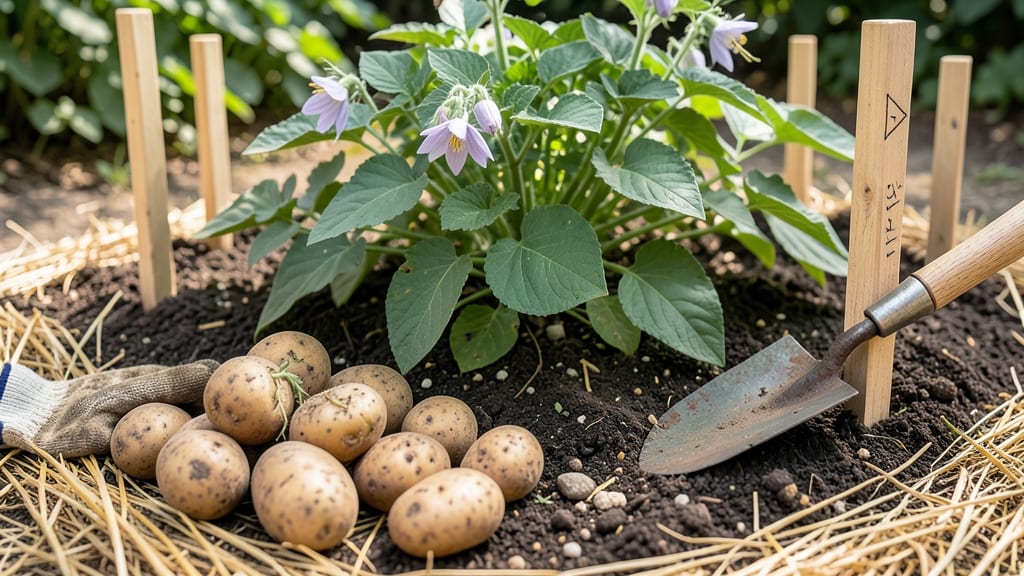
Timing when do you plant potatoes in Pennsylvania could mean the difference between a bountiful harvest and wasted effort—especially when Pennsylvania’s unpredictable spring weather throws curveballs.
If you’ve ever watched your tender sprouts freeze overnight or struggled with soggy soil that delays planting, you know how critical the right window can be.
For gardeners in USDA Zone 6a, the sweet spot typically falls between late March and early April, but there’s more to it than just dates. Soil temperature plays a starring role—potatoes need the ground to warm to 45-50°F before they’ll germinate properly.
Miss this mark, and you might end up with stunted plants or worse, a total loss to frost.
Here’s the good news: with a few smart strategies—like using black plastic mulch or pre-sprouting seed potatoes—you can stretch your planting window and give your 🥔 harvest the best possible start.
Whether you’re growing early varieties for June harvests or late-season keepers for fall, we’ll break down exactly when to plant, how to protect your crop, and what to watch for as Pennsylvania’s weather shifts.
Ready to turn your garden into a potato powerhouse? Let’s dive into the foolproof timing that’ll have you digging up those golden spuds before summer heat sets in.
Best potato planting dates in PA by growing Zone (with frost risk charts)
Pennsylvania’s USDA zones 6a-7a create a 3-4 week window for planting potatoes, but timing varies by last frost date and soil temperature. Most gardeners aim for 2-4 weeks before the average last frost (typically April 15 in most regions).
Planting too early risks frost damage, while waiting too long may limit harvest before summer heat.
For early varieties like 'Yukon Gold', start planting in late March in southern PA (zones 7a) or early April in northern areas (zones 6a). Late varieties such as 'Russet' can wait until mid-April for a longer harvest window.
Always check your local last frost date—it can shift 5-7 days yearly.
Soil temperature is critical: potatoes need 45-50°F soil to germinate. Use a soil thermometer to confirm—cold, wet soil delays sprouting. In northern PA, wait until soil warms to 50°F (usually late April) to avoid rot. Southern regions may start 2 weeks earlier.
Here’s your PA-specific planting timeline by zone, including frost risk and ideal soil conditions:
🥔 PA Potato Planting Guide by Zone
| Zone | Last Frost Date | Ideal Planting Window | Soil Temp Threshold | Best Varieties |
|---|---|---|---|---|
| 6a (Northern PA) | April 20–May 1 | April 1–15 | 50°F (late April) | Early: 'Red Norland', 'Kennebec' |
| 6b (Central PA) | April 10–20 | March 25–April 10 | 45°F (early April) | Early: 'Yukon Gold', 'Adirondack Red' |
| 7a (Southern PA) | April 1–10 | March 15–April 5 | 45°F (late March) | Early/Late: 'Russet', 'Sweet Potato' |
⚠️ Pro Tip: Use black plastic mulch to warm soil faster in cold zones.
If you’re unsure about your exact frost date, use the 50°F soil rule as your guide. Plant when soil hits 45°F for early varieties or 50°F for late varieties. In northern PA, consider pre-sprouting seed potatoes indoors 4-6 weeks before planting to jumpstart growth.
For a second harvest, plant late varieties in mid-June after the first crop is harvested. This extends your growing season by 4-6 weeks and provides potatoes for fall storage. Just be sure to harvest before the first frost (usually October 15 in PA).
Always choose certified disease-free seed potatoes from reputable suppliers. Avoid grocery store potatoes—they’re treated to prevent sprouting and may carry diseases. Start with 1-2 pound seed potatoes per plant for optimal yield.
Monitor your garden for late spring frosts, which can still occur in May. Use frost cloth or row covers if temperatures dip below 32°F after planting. This protects young plants and ensures zero-frost damage.
Once planted, maintain consistent moisture (1 inch per week) and mulch heavily to keep soil temperatures stable. Avoid overwatering—waterlogged soil causes rot and stunted growth. With the right timing, you’ll harvest bountiful potatoes by late June or early July!
How to time your planting for zero-frost success (pro tips for PA gardeners)
Timing your potato planting to avoid frost damage is the secret to a thriving harvest in Pennsylvania. The key is planting 2-4 weeks before your last expected frost date—typically between mid-March and early April for most of PA’s USDA Zones 6a-7a.
This window gives seedlings a head start while minimizing frost risk, especially for early-maturing varieties like 'Yukon Gold' or 'Red Pontiac'.
But what if a late frost hits? Don’t panic—black plastic mulch or a cold frame can protect tender sprouts. I’ve used both methods in my garden, and they’ve saved my crops from unexpected chilly nights.
Laying down mulch just before sprouts emerge creates a 5-10°F warmer microclimate, giving your potatoes the edge they need.
For gardeners in Zone 6a (like Pittsburgh or Erie), aim to plant by April 1st—this ensures tubers have 90-120 days to mature before the first frost. In warmer Zone 7a (e.g., Philadelphia or Harrisburg), you can push planting to early April without risking frost damage.
Always check your local last frost date using the Penn State Extension or Almanac tools for precision.
Traditional Planting vs. Accelerated Methods
- Plant 2-4 weeks before last frost
- Relies on soil warming naturally
- Slower germination (2-4 weeks)
- Lower risk of overheating tubers in summer
- Plant 6-8 weeks before last frost (with protection)
- Uses black plastic mulch or cold frames
- Faster germination (1-2 weeks)
- Earlier harvest (2-3 weeks sooner)
Pre-sprouting your seed potatoes is another game-changer. Place them in a bright, cool spot (50-60°F) 4-6 weeks before planting—this jumpstarts growth and ensures uniform emergence. I’ve seen pre-sprouted potatoes emerge in just 7-10 days compared to 3-4 weeks for unsprouted ones.
Just avoid letting sprouts grow longer than 1-2 inches before planting, or they’ll be too fragile.
If you’re short on time, consider container growing. Pots warm up faster than garden beds, and you can move them to a sunny spot as soon as soil reaches 45°F.
Just use a well-draining mix with compost—my container-grown 'Kennebec' potatoes yielded just as well as in-ground ones, but with less frost risk.
Remember: Soil temperature matters more than air temperature. Use a soil thermometer to confirm it’s at least 45°F before planting—cold soil delays germination and invites rot. In my experience, waiting for this threshold has saved me from moldy seed potatoes and uneven harvests.
Pro tip: Mark your planting date on a garden calendar and track your potatoes’ progress. Aim to harvest early varieties by July and late varieties by September to beat PA’s fall frosts. With the right timing, you’ll pull golden, disease-free potatoes straight from your garden—no frost-related disappointments!