
Companion Plants
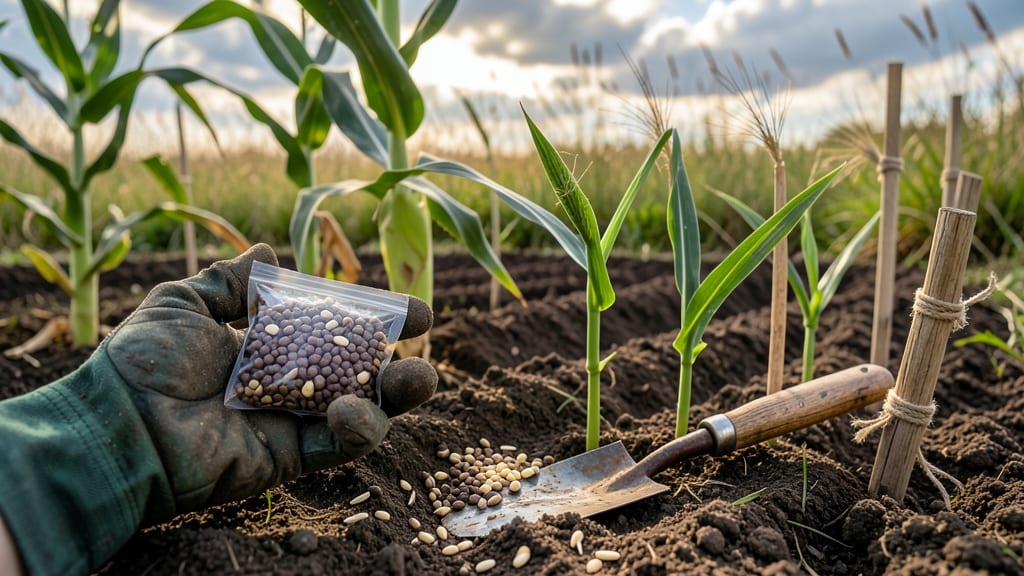
Timing your 🌽 corn planting in Zone 7 isn't just about checking a calendar—it's about reading the soil and sky like a pro.
Plant too early, and frost will nip your tender seedlings in the bud; too late, and you might miss the sweet spot for a full harvest before fall chill sets in.
I've learned the hard way that soil temperature matters just as much as frost dates. Corn needs the ground to warm up to at least 60°F before you even think about dropping those seeds in.
That's usually around mid-April in most of Zone 7, but your exact window depends on whether you're in the cooler 7a or warmer 7b sub-zones.
What makes this tricky is that corn grows fast—60 to 120 days depending on the variety—and you need to time it so your ears mature before the first frost in October.
Get this right, and you'll enjoy fresh homegrown corn all summer long. Get it wrong, and you might end up with half-grown cobs or plants that bolt too early.
Don't worry, though—I'll walk you through exactly how to calculate your perfect planting window, including which varieties thrive in Zone 7 and how to adjust for those unpredictable spring weather swings. Let's make sure your corn season is a home run, not a strikeout.
Zone 7 corn planting dates based on soil temperature and frost deadlines
Corn is a warm-season crop that demands precise timing in Zone 7—plant too early and frost will kill tender seedlings, too late and your harvest may suffer from heat stress or drought.
The key is waiting for soil temperatures to consistently reach 60°F (15°C) and aligning your schedule with your average last frost date, which typically falls around April 15 in most of Zone 7.
For Zone 7 gardeners, the ideal planting window spans from mid-April to early June, but this varies slightly between 7a (colder) and 7b (warmer) subzones.
Early varieties can be sown as soon as the soil warms, while late-season types should go in by June 1 to mature before fall frost hits around October 15.
Here’s the breakdown of Zone 7 corn planting dates based on soil temperature and frost-free deadlines:
| Planting Window | Soil Temp Requirement | Frost Risk | Best Varieties |
|---|---|---|---|
| Mid-April to early May | 60°F+ (15°C+) | High (last frost risk) | Early-maturing (60-75 days): 'Silver Queen', 'Ambrosia' |
| Late May to early June | 60°F+ (15°C+) | Low (safe after frost) | Mid-season (80-90 days): 'Golden Bantam', 'Country Gentleman' |
| June (for late varieties) | 60°F+ (15°C+) | None (extended season) | Late-season (90+ days): 'Peaches and Cream', 'Temptation' |
🌽 Pro Tip: Use a soil thermometer to confirm warmth—corn won’t germinate below 50°F (10°C).
In Zone 7a (colder microclimates like the Appalachians or higher elevations), aim for late April to early May to avoid late frosts. Meanwhile, Zone 7b gardeners (e.g., parts of the Southeast or Mid-Atlantic) can start as early as mid-April or even late March in sheltered areas.
Always check your local frost dates—they can vary by 1-2 weeks even within the same zone.
Succession planting is another game-changer in Zone 7. Since corn has a 60-120 day maturity range, stagger plantings every 2 weeks to extend your harvest from late July to early October. For example, plant one batch in mid-April (early variety), another in early May (mid-season), and a final batch in late May (late variety).
If you’re growing sweet corn, prioritize short-season varieties like 'Early Sunglow' (72 days) or 'Peaches and Cream' (85 days) to ensure they mature before fall frosts.
For dent corn (used for hominy or animal feed), longer varieties like 'Mammoth Melting' (110 days) can work if planted by June 1.
One common mistake in Zone 7 is relying solely on calendar dates instead of soil temperature. Cold, wet springs can delay warming—always wait for consistent 60°F+ soil temps for at least 1 week before planting. Use black plastic mulch or row covers to warm the soil faster if needed.
Finally, consider your corn variety’s maturity rating. A 60-day variety planted in early May will be ready by early July, while a 100-day variety needs to go in by June 1 to avoid frost.
Match your planting date to your first frost risk—most Zone 7 gardeners have about 180 frost-free days, so plan accordingly.
🌱 Remember: Corn thrives on warm soil and long days—get these right, and you’ll enjoy a golden harvest of sweet, tender ears.
Zone 7 corn planting dates based on soil temperature and frost deadlines
Corn thrives in warm soil and hates frost, so timing is everything in Zone 7. The average last frost date here is around April 15, but don’t rush—corn needs soil temperatures of at least 60°F to sprout properly.
Planting too early risks frost damage or slow germination, while waiting too long may cut your harvest short before the first frost in October.
Your best window is between mid-April and early June, but this varies slightly depending on whether you’re growing early-season, mid-season, or late-season varieties.
Early varieties (like 'Silver Queen') can handle cooler soils and shorter growing seasons, while late varieties (like 'Ambrosia') need more time to mature. Always check your local frost-free days—Zone 7 typically has about 180 days—to align with your corn’s maturity timeline.
🌽 Key Takeaway: Use a soil thermometer to confirm temperatures before planting. If your soil isn’t warm enough by mid-May, opt for heat-loving varieties or consider a black plastic mulch to warm the soil faster.
| Variety Type | Planting Window | Soil Temp Requirement | Days to Maturity | Best For Zone 7 |
|---|---|---|---|---|
| Early Season | Mid-April to late April | 55-60°F | 60-75 days | Short seasons, cooler microclimates |
| Mid Season | Late April to early May | 60-65°F | 75-90 days | Standard harvest timing |
| Late Season | Early to mid-May | 65°F+ | 90-120 days | Extended harvest, warmer microclimates |
| Succession Planting | Every 2 weeks (April-June) | 60°F+ | 60-90 days (mix varieties) | Staggered harvests, continuous supply |
In Zone 7a (colder end of the spectrum), aim for early-season varieties planted in late April to avoid early frost risks. If you’re in Zone 7b (warmer), you can push planting into early June for late-season varieties, but monitor drought conditions—corn needs consistent moisture to thrive.
Always factor in your local microclimate: low-lying areas may frost later, while hilltops warm up faster.
Another trick is to use row covers for early plantings. These can protect young seedlings from unexpected late frosts while still allowing sunlight to reach the soil. Just remove them once the plants are 6 inches tall to prevent overheating.
For late-season plantings, focus on drought-resistant varieties like 'Peaches and Cream', which handle heat better than others.
Finally, don’t forget to test your soil before planting. Corn prefers a pH of 6.0-7.0 and rich, fertile soil. Amend with compost or aged manure 2-3 weeks before planting to give your corn the nutrients it needs to grow tall and strong.
With the right timing and prep, you’ll be enjoying homegrown corn on the cob by late summer! 🌽